Gorilla habitats and pristine forest at risk as the Democratic Republic of the Congo opens half of the country to oil and gas drilling bids

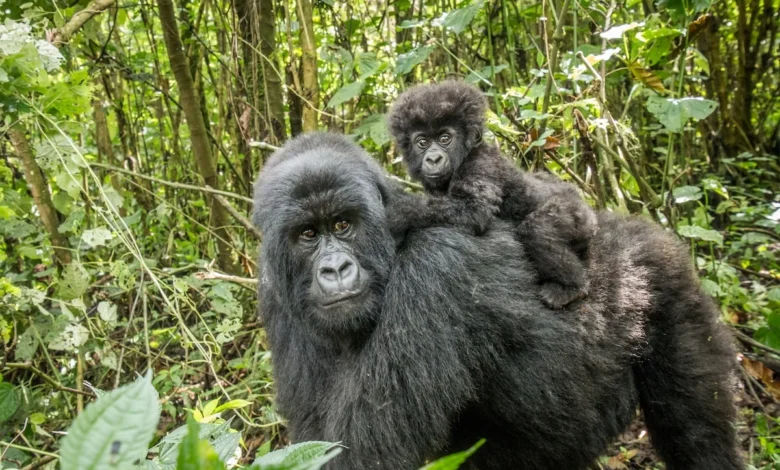
The government of the Democratic Republic of the Congo (DRC) has initiated a massive expansion of its fossil fuel sector, effectively offering more than 50 percent of its total landmass to oil and gas exploration. This policy pivot, detailed in the latest report from Earth Insight titled Forests to Frontlines: Oil Expansion Threats in the DRC, places approximately 306 million acres of intact tropical forest—a significant portion of the Congo Basin—at risk of industrial degradation. The move, which involves auctioning 52 new oil blocks alongside three previously awarded concessions, has ignited fierce criticism from environmental scientists, human rights advocates, and local Indigenous communities who argue that the economic pursuit of hydrocarbons directly contradicts the nation’s climate commitments and biodiversity conservation goals.
A Chronology of Escalation
The recent licensing round represents an aggressive acceleration of a strategy that first gained international notoriety in 2022. During that year, the DRC government launched a controversial tender for 30 oil and gas blocks, many of which were situated within the Cuvette Centrale peatlands and protected wildlife reserves. Despite global outcry and warnings from the scientific community regarding the carbon-sequestering value of these lands, the administration has doubled down on its commitment to fossil fuel development.
The timeline of this expansion reflects a pattern of prioritizing resource extraction over ecological preservation:
- 2022: The Congolese government formally launches an auction for 30 oil and gas blocks, including areas that overlap with national parks and critical carbon-rich ecosystems.
- 2023: Continued domestic and international pressure mounts, yet the government signals a commitment to move forward with exploratory drilling, framing the resources as a necessary catalyst for national economic development.
- 2025: The current administration expands the scope of the project significantly, auctioning 52 additional blocks, which now brings over 53 percent of the country’s land surface under the potential jurisdiction of oil and gas concessionaires.
The Ecological Significance of the Congo Basin
The Congo Basin is the second-largest tropical rainforest in the world and serves as a vital "lung" for the planet. The region is home to an extraordinary array of biodiversity, including the endangered mountain gorilla, the eastern lowland gorilla, and the bonobo. Beyond its role as a sanctuary for wildlife, the basin is a cornerstone of global climate regulation.
Central to this ecosystem is the Cuvette Centrale, an expansive peatland complex that functions as one of the most effective carbon sinks on Earth. Research suggests that this region stores approximately 30 gigatons of carbon—the equivalent of three years of total global carbon emissions from human activity. Any industrial activity, including seismic surveys, road construction, and drilling infrastructure, poses a catastrophic risk of releasing this stored carbon into the atmosphere, which would fundamentally undermine international efforts to curb global warming.
Human Impacts and Indigenous Sovereignty
The proposed oil blocks do not exist in a vacuum; they overlap with the ancestral lands of an estimated 39 million people. For many Indigenous and forest-based communities, the rainforest is not merely a geographic location but a source of livelihood, cultural identity, and spiritual sustenance. The potential for environmental degradation—such as water contamination from oil spills and the destruction of non-timber forest resources—threatens to destabilize these communities.
Pascal Mirindi, a campaign coordinator for Notre Terre Sans Pétrole (Our Land Without Oil), has been a vocal critic of the expansion. In recent statements, Mirindi challenged the coherence of the government’s policy, pointing to the paradox of promoting the "Kivu-Kinshasa ecological corridor" while simultaneously auctioning off the very land intended for protection. "We are reminding our leaders that the Congolese people are the primary sovereign," Mirindi stated. "We will not remain silent while certain people organize themselves to sell off our future."
Data and Strategic Vulnerabilities
The statistics provided by Earth Insight paint a concerning picture of the scope of the threat. The newly auctioned oil blocks intersect with:

- 20.5 million acres of formally protected areas.
- 21.3 million acres of Key Biodiversity Areas (KBAs).
- 165.1 million acres of intact tropical forest.
- 72 percent of the Kivu-Kinshasa Green Corridor.
These figures indicate that the environmental impact will be widespread, affecting areas that were previously deemed essential for conservation. The integration of oil blocks into the Kivu-Kinshasa corridor is particularly problematic, as it undermines the legal and ecological credibility of the corridor as a climate-resilient zone. By allowing extraction in these sensitive zones, the government risks losing the confidence of international donor organizations, who often tie financial support to sustainable land management and biodiversity protection.
Official Perspectives and Conflicting Interests
The Congolese government has long defended its right to explore oil resources as a matter of national sovereignty and economic necessity. Officials argue that the DRC, as a developing nation, must leverage its natural resources to alleviate poverty, improve infrastructure, and provide energy security for its growing population. They contend that the revenue generated from the oil sector could provide the capital necessary for sustainable development, education, and healthcare.
However, critics, including the coalition of organizations behind the Earth Insight report—such as CORAP and the Rainforest Foundation UK—argue that this "resource-curse" model rarely translates into broad-based social progress. They suggest that the long-term costs of environmental destruction, coupled with the potential for corruption and the volatility of oil prices, outweigh the short-term financial gains. Furthermore, the global transition toward renewable energy creates a significant risk that these oil assets could become "stranded," leaving the DRC with damaged ecosystems and no long-term return on its infrastructure investments.
Broader Implications for Global Climate Policy
The DRC’s decision to move forward with these auctions places the country at a critical juncture in its relationship with the international community. The Paris Agreement and other international climate accords emphasize the necessity of preserving tropical rainforests as a prerequisite for keeping global temperature increases below 1.5 degrees Celsius. If the DRC, a custodian of a significant portion of the world’s forest carbon, chooses to open these areas to industrial extraction, it complicates the global bargaining process regarding climate finance and carbon credits.
Environmental analysts suggest that the international community has a responsibility to provide alternatives. This includes scaling up direct funding for forest conservation, supporting sustainable economic development initiatives that do not rely on fossil fuels, and providing technical assistance for ecological monitoring. The Earth Insight report explicitly calls for a cessation of the 2025 licensing round and an immediate pivot toward sustainable alternatives that respect the rights of Indigenous peoples and uphold the integrity of the Congo Basin.
Future Outlook and Conclusion
The situation remains fluid as civil society groups in the DRC continue to lobby for transparency and accountability. The demand for meaningful participation in environmental governance is a central theme in the current protests. As the government proceeds with the auctioning process, the pressure from the international scientific community and local activists is likely to intensify.
The outcome of this standoff will have far-reaching consequences. It will test the resilience of the DRC’s ecological frameworks and determine whether the country can reconcile its immediate economic aspirations with the long-term necessity of planetary health. For the millions who rely on the forests of the Congo Basin, the decisions made in the coming months will determine the viability of their future, the health of their lands, and the survival of the unique species that make the DRC one of the most ecologically significant nations on Earth.
The path forward, according to environmental advocates, must be characterized by a departure from the extractive practices of the past. By canceling the current licensing round and refocusing on conservation-based economic models, the DRC could position itself as a global leader in sustainable development, proving that protecting the world’s most vital ecosystems is not only possible but is the most viable path toward lasting national prosperity.