New York Becomes First State to Implement Statewide All-Electric Building Mandate for New Construction

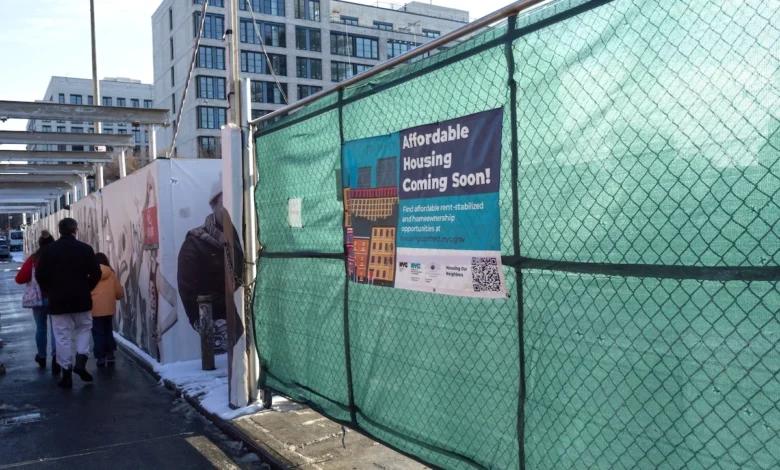
In a landmark decision that sets a new precedent for climate policy in the United States, New York has officially become the first state to finalize a comprehensive ban on fossil fuel equipment in most new building constructions. This historic shift was solidified in late July 2025, when the New York State Fire Prevention and Building Code Council gave its final approval to the regulations derived from the 2023 All-Electric Buildings Act. The move signals a decisive pivot away from natural gas, propane, and oil in the residential and commercial sectors, aiming to drastically reduce the state’s carbon footprint and transition toward a zero-emissions future.
The mandate requires that new buildings utilize high-efficiency electric systems for heating, cooling, and hot water, as well as electric appliances for cooking and clothes drying. By eliminating the infrastructure for fossil fuel combustion in new edifices, New York aims to tackle one of the most stubborn sources of greenhouse gas emissions: the built environment. According to the New York State Department of Environmental Conservation, buildings are responsible for approximately 31% of the state’s total greenhouse gas emissions, primarily due to the on-site combustion of fossil fuels for space and water heating.
A Phased Implementation Strategy
The implementation of the All-Electric Buildings Act is designed with a tiered timeline to allow the construction industry and the electrical grid to adapt to the new requirements. The first phase of the mandate focuses on smaller-scale structures. Starting December 31, 2025, all new residential buildings up to seven stories tall must be entirely electric. This category includes the vast majority of new single-family homes and mid-sized apartment complexes. Additionally, commercial and industrial buildings smaller than 100,000 square feet that submit permit applications on or after this date must also comply with the zero-emissions standard.
The second phase extends these requirements to larger and more complex structures. By 2029, all new commercial and industrial buildings exceeding 100,000 square feet, as well as high-rise residential buildings over seven stories, will be required to forgo fossil fuel hookups. This staggered approach provides developers of large-scale projects—which often have multi-year planning and financing cycles—the necessary lead time to integrate advanced electric technologies such as commercial-scale heat pumps and induction cooking systems into their designs.
The Legislative and Legal Context
The journey toward this mandate began in earnest in May 2023, when Governor Kathy Hochul and the State Legislature reached an agreement to include the All-Electric Buildings Act in the state budget. The legislation was a core component of New York’s broader strategy to meet the ambitious goals set by the 2019 Climate Leadership and Community Protection Act (CLCPA), which mandates a 40% reduction in statewide greenhouse gas emissions by 2030 and an 85% reduction by 2050.
However, the path to finalization was fraught with legal challenges. Fossil fuel industry groups, including gas utilities and construction associations, sought to block the mandate by citing a federal court ruling in California. In that case, the U.S. Court of Appeals for the Ninth Circuit overturned a similar gas ban in Berkeley, California, arguing that the federal Energy Policy and Conservation Act (EPCA) preempts local ordinances that regulate the energy use of appliances.
In July 2025, the U.S. District Court for the Northern District of New York delivered a critical victory for the state. The court ruled that New York’s mandate was a valid exercise of state authority and did not run afoul of federal law. This decision clarified that while federal law regulates the efficiency of appliances, states retain the power to regulate the infrastructure—such as gas lines—within their borders. While industry groups have since appealed to the U.S. Department of Justice to intervene, the July ruling allowed the State Building Code Council to proceed with the final administrative steps to codify the rules.
Economic Implications and Consumer Savings
One of the primary arguments against the electrification mandate has been the perceived increase in construction and utility costs. However, data from the New Buildings Institute and other environmental economic groups suggest a different reality. For single-family homes, building 100% electric can actually reduce initial construction costs by $7,500 to $8,200 because developers can avoid the expensive process of installing gas mains, service lines, and interior gas piping.
For residents, the long-term financial benefits are equally significant. Analysis suggests that all-electric homes can reduce energy usage by approximately 17%. Over a 30-year period, the average New York household could save nearly $5,000 in utility bills. Furthermore, as fossil fuel prices remain volatile and subject to global geopolitical shifts, electric heating and cooling powered by an increasingly renewable grid offer a more stable and predictable cost structure for homeowners and renters alike.
Environmental advocates also point to the "hidden" economic benefits of improved public health. Gas stoves and boilers release nitrogen dioxide and particulate matter, which are linked to respiratory illnesses such as asthma. By removing these pollutants from the indoor environment, the state anticipates a reduction in healthcare expenditures and an improvement in overall quality of life, particularly in disadvantaged communities that have historically borne the brunt of poor air quality.

Strategic Exemptions and Technical Challenges
Recognizing that certain sectors have unique energy requirements that current electric technology may struggle to meet, the New York mandate includes several specific exemptions. These carve-outs are intended to ensure that critical infrastructure and specialized industries remain functional and competitive.
Exemptions are currently provided for:
- Agricultural Buildings: Large-scale farming operations that require specific thermal loads for livestock or crop processing.
- Medical Facilities and Hospitals: Where redundant and specialized energy systems are vital for patient safety and the operation of life-saving equipment.
- Laboratories: Which often require high-intensity heat for sterilization and chemical processes.
- Crematoriums: Due to the high temperatures required for their operations.
- Commercial Kitchens and Restaurants: This has been a point of significant debate. While many chefs are transitioning to induction cooking, the legislation allows for gas hookups in certain commercial restaurant settings to accommodate specific culinary techniques and high-volume needs.
- Emergency Backup Power: Fossil fuel generators remain permissible for emergency backup systems in buildings where life safety is a priority.
These exemptions are not permanent "free passes" but are subject to periodic review by the state as technology evolves. The goal is to narrow these exceptions as industrial-scale electric solutions become more efficient and cost-effective.
Reactions from Stakeholders
The finalization of the rule has elicited strong reactions from across the political and industrial spectrum. Environmental justice organizations have hailed the decision as a triumph of public health over corporate interests. Dawn Wells-Clyburn, executive director of PUSH Buffalo, emphasized that the ruling sends a message that the well-being of communities takes precedence over the profits of the fossil fuel industry. She noted that the act is a "powerful victory in the fight for our lives," particularly for those living in urban environments where indoor air pollution is a major concern.
On the other hand, representatives from the fossil fuel sector and some labor unions have expressed concern. They argue that the mandate could strain the electrical grid and lead to higher costs for consumers if the transition to renewable energy sources does not keep pace with the increased demand for electricity. Organizations like the American Gas Association have warned that "forced electrification" could reduce consumer choice and impact the reliability of the energy system during extreme winter weather events.
In response, state officials have pointed to ongoing investments in the "Clean Path NY" and "Champlain Hudson Power Express" projects, which are designed to bring massive amounts of wind, solar, and hydroelectric power into the New York City metropolitan area. The state is also incentivizing the installation of networked geothermal systems, which provide highly efficient heating and cooling by leveraging the constant temperature of the earth.
Broader Impact and National Implications
New York’s bold move is expected to trigger a domino effect across the United States. While dozens of cities—including New York City, which passed its own local gas ban in 2021—have moved toward electrification, New York is the first to do so at the state level through a formal building code update. Other states with aggressive climate goals, such as Massachusetts, Washington, and California, are closely monitoring New York’s implementation and legal defense as a blueprint for their own policies.
The mandate also sends a clear signal to the manufacturing and construction markets. With one of the largest economies in the world, New York’s shift toward all-electric buildings will likely drive innovation in heat pump technology and induction appliances, leading to economies of scale that lower prices for the rest of the country. Architects and engineers are already pivoting their practices to prioritize "passive house" standards and high-performance building envelopes that complement electric HVAC systems.
As the December 31, 2025, deadline approaches, the focus in Albany will shift toward enforcement and support. The state has launched several programs to train HVAC contractors and builders in the installation of electric systems, ensuring that the workforce is prepared for the transition.
In conclusion, the finalization of the All-Electric Buildings Act represents a defining moment in New York’s environmental history. By addressing the carbon intensity of its buildings, the state is not only moving toward its 2030 climate targets but is also fundamentally reshaping the relationship between urban development and the environment. While legal and logistical hurdles remain, the momentum toward a fossil-free built environment in the Empire State appears irreversible, marking the beginning of the end for the era of natural gas in new construction.