Why You Should Think Twice Before Placing Delivered Packages on Your Bed or Kitchen Counter

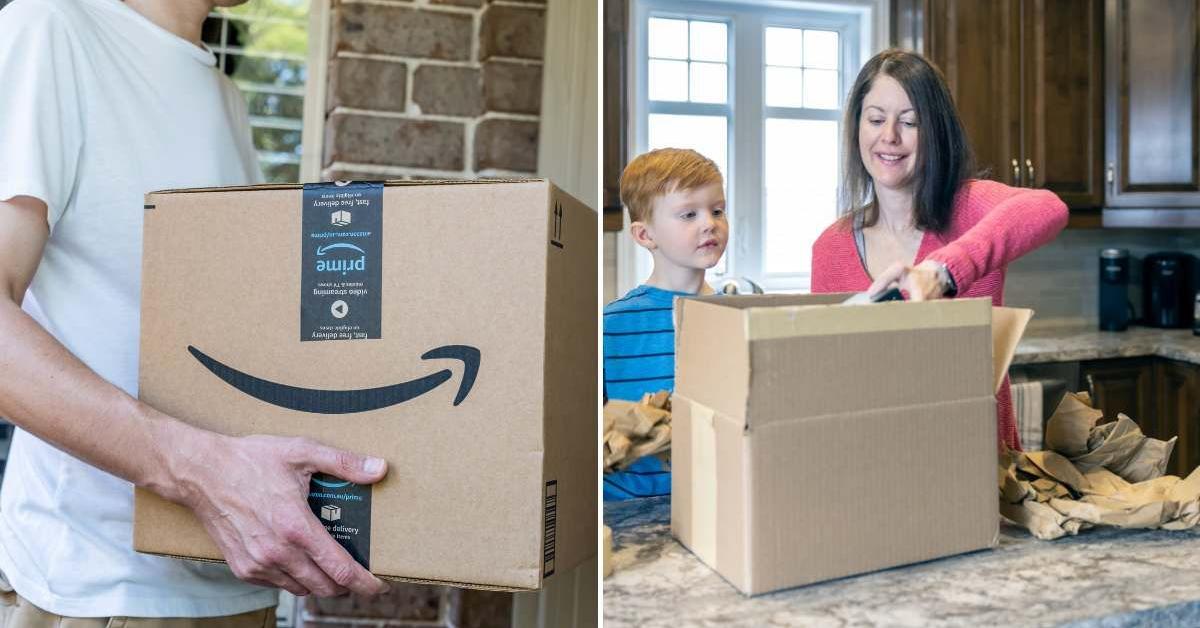
The modern convenience of e-commerce has fundamentally transformed how consumers acquire everyday goods, turning the anticipation of a doorstep delivery into a daily routine for millions of households worldwide. Unboxing an online order—whether by slicing open a corrugated cardboard box or tearing through a poly mailer—offers an immediate sense of gratification. However, this familiar ritual often overlooks a critical, unseen element of the supply chain: the journey the package undertakes before reaching its final destination. As parcels transition through distribution centers, delivery vans, and the hands of couriers servicing hundreds of stops a day, they accumulate layers of environmental grime, dust, and microscopic particulate matter. Despite this reality, consumers routinely bring these items directly into intimate living spaces, placing them on kitchen islands, dining tables, couches, and even beds. A recent viral warning from an active delivery worker has reignited public discourse regarding domestic hygiene habits, prompting consumers and sanitation experts alike to re-examine how deliveries are handled upon arrival.
The Warning That Sparked a Viral Hygiene Debate
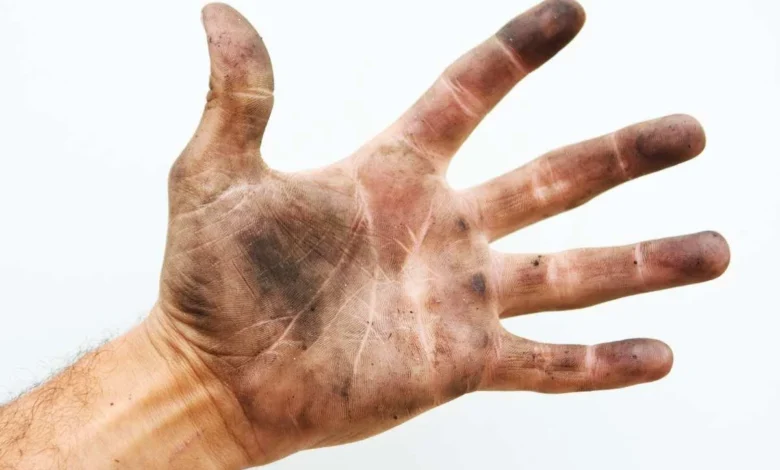
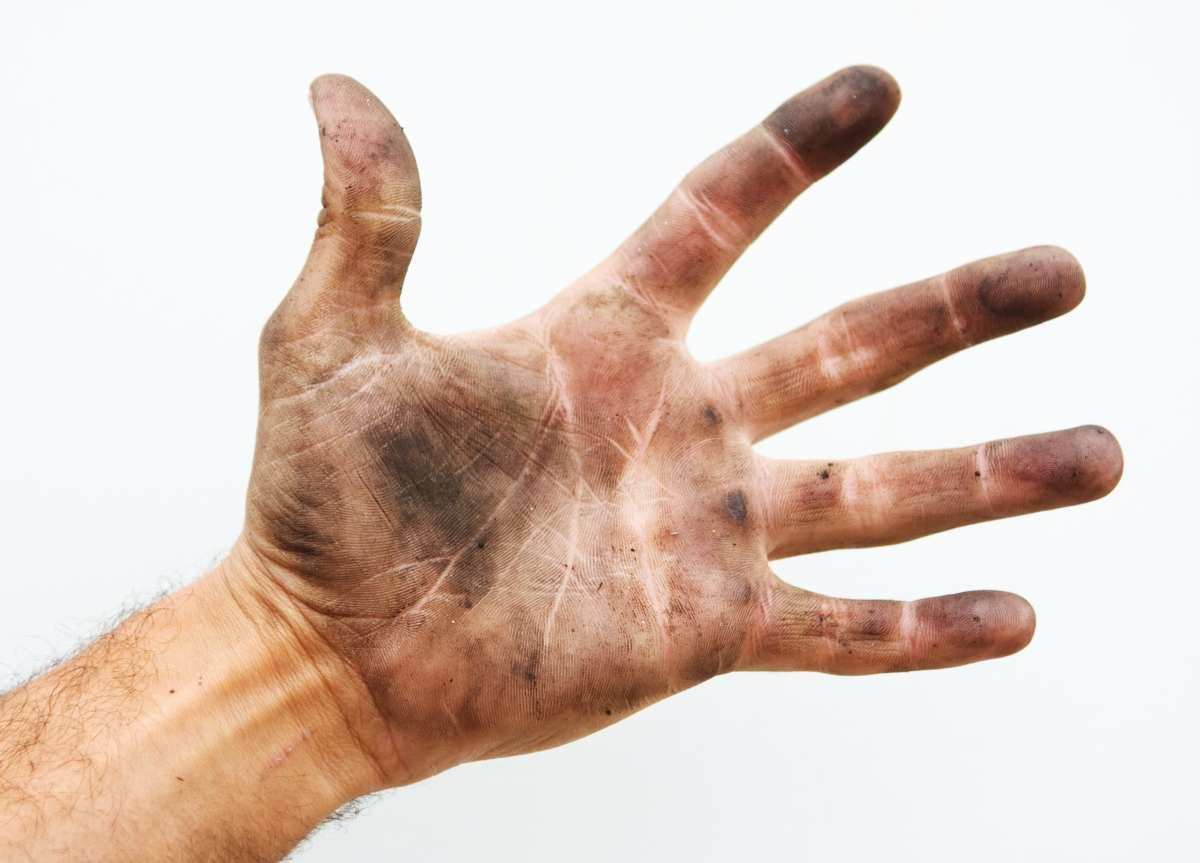
The conversation gained significant traction on social media when an Amazon delivery driver known online as Alex (@aayyeelex) published a candid video via TikTok addressing common household handling practices. Speaking directly to consumers, Alex urged viewers to halt the habit of placing incoming parcels onto domestic surfaces where hygiene is paramount. To underscore her point, the driver displayed her hands directly to the camera, revealing a heavy accumulation of gray soot and grime despite prior attempts at washing.
According to the creator, the visible residue on her hands was the cumulative result of completing merely 20 to 25 delivery stops. The video quickly resonated across digital platforms, accumulating hundreds of thousands of views and sparking widespread dialogue among consumers and fellow logistics professionals. Commenters flooded the post with corroborating accounts, with former delivery personnel noting that hands frequently turn dark from handling countless parcels, sorting facilities, and truck interiors throughout a standard shift. The core message of the viral advisory is straightforward: while the contents of a package may be sealed inside pristine manufacturer packaging, the outer shipping container acts as a sponge for urban dust, vehicular exhaust, and the sweat and dirt of numerous handlers.
The Scale of Modern Logistics and the Courier Experience
To understand why delivery boxes carry such a high volume of environmental debris, one must examine the staggering scale of modern last-mile logistics operations. Industry estimates indicate that a massive workforce of hundreds of thousands of drivers processes upward of 10 million packages daily for major retailers like Amazon alone. To maintain these delivery volumes, individual drivers are routinely assigned dense routes featuring upwards of 150 to 200 stops per shift.
Throughout a single day of work, a courier moves continuously between climate-controlled delivery vans and the outdoor elements. They handle parcels that have been stacked in dusty warehouse bays, loaded into transport trucks, dragged across concrete loading docks, and exposed to varying weather conditions. In addition to natural dust and pollen, couriers frequently encounter urban pollutants, soot from vehicle exhaust, and residue from industrial environments. Because personal protective equipment such as gloves is rarely mandated across all last-mile delivery networks, direct skin-to-cardboard contact is the industry norm. Consequently, the sweat, natural oils, and accumulated dirt on a driver’s hands are readily transferred to the porous surface of cardboard boxes, where they can linger indefinitely.
Expert Recommendations for Safe Package Handling
Public health and sanitation authorities have long advised caution when handling items that have moved through public transit and commercial supply chains. Digital journalist and consumer advocate Kim Komando has frequently addressed the topic of package hygiene, offering structured protocols for households seeking to minimize contamination risks.
According to sanitation guidelines adapted for routine e-commerce deliveries, consumers should ideally establish a designated receiving zone outside of primary living quarters. For households with appropriate infrastructure, Komando recommends wearing disposable gloves when retrieving parcels from the doorstep and transferring them to a secure outdoor location—such as a back patio, balcony, or dedicated mudroom—allowing them to sit undisturbed for a 24-hour period. For plastic mailers or non-porous containers, extended quarantine periods of up to 72 hours can further diminish the viability of residual surface particles.
Once the holding period concludes, handlers are advised to dispose of protective gloves immediately and perform a thorough hand-washing regimen using warm water and antibacterial soap for a minimum of 20 seconds. If bringing packages indoors immediately is unavoidable, experts recommend opening the outer shipping container in a garage or utility room, discarding the cardboard box promptly, and wiping down inner product packaging before moving items into kitchens or bedrooms.
Public Reaction and Consumer Adaptations
The viral video shared by @aayyeelex elicited a broad spectrum of reactions from the digital community, ranging from mild surprise to validation of long-held household practices. Many social media users expressed gratitude for the behind-the-scenes perspective, admitting they had never considered the cleanliness of the delivery personnel’s hands or the journey of the box itself.
In response to the discussion, numerous consumers shared the preventive workflows they have already integrated into their daily routines. Commenters noted the implementation of designated drop boxes, porch bins, or utility tables positioned just inside entryways specifically intended to intercept incoming deliveries. These makeshift quarantine stations ensure that unverified cardboard and plastic packaging never makes direct contact with food preparation areas or sleeping quarters.
At the same time, workers from adjacent industries—including bank tellers, postal carriers, public librarians, and retail cashiers—chimed in to note that the accumulation of dirt and microscopic residue is an occupational reality across any field requiring the continuous handling of high-volume public goods and paper products.
Broader Implications for Public Health and Home Sanitation
While the occasional placement of a delivery box on a kitchen counter is unlikely to cause acute illness for the average healthy individual, the conversation highlights a broader cultural shift toward mindful domestic sanitation. In the wake of heightened global awareness regarding hygiene, consumers are increasingly cognizant of the invisible pathways through which outdoor contaminants enter the home.
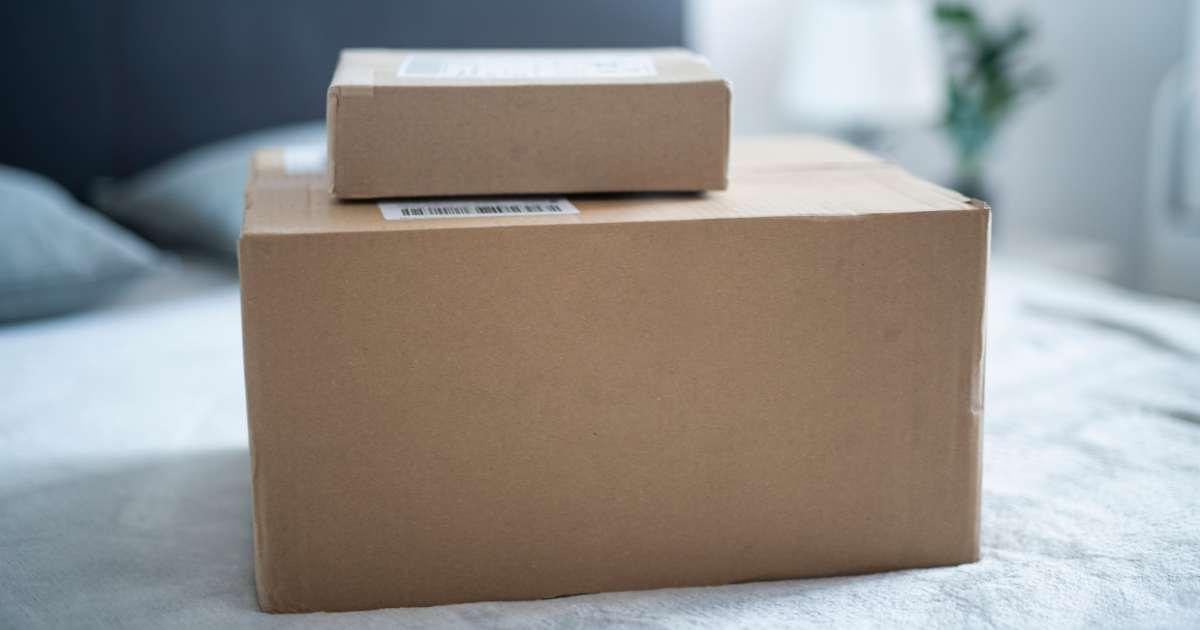
Cardboard, in particular, is an exceptionally porous material capable of absorbing moisture, oils, and particulate matter with ease. When unwashed boxes are placed on bedsheets where individuals spend a third of their day, or on kitchen counters where food is prepared without an intervening barrier, the risk of transferring unwanted biological and chemical residue increases significantly.
Ultimately, the viral warning serves as a practical reminder that the convenience of doorstep delivery comes with a hidden logistical footprint. By adopting simple preventative measures—such as establishing designated receiving bins, avoiding the placement of shipping containers on sensitive household surfaces, and practicing consistent hand hygiene after unboxing—households can successfully bridge the gap between modern e-commerce convenience and domestic cleanliness.