The scientific journey of Joan Brugge: Transforming personal tragedy into a legacy of cancer research

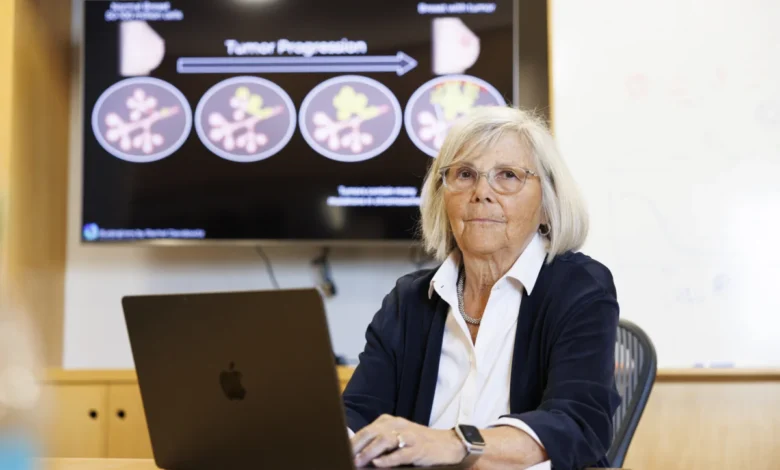
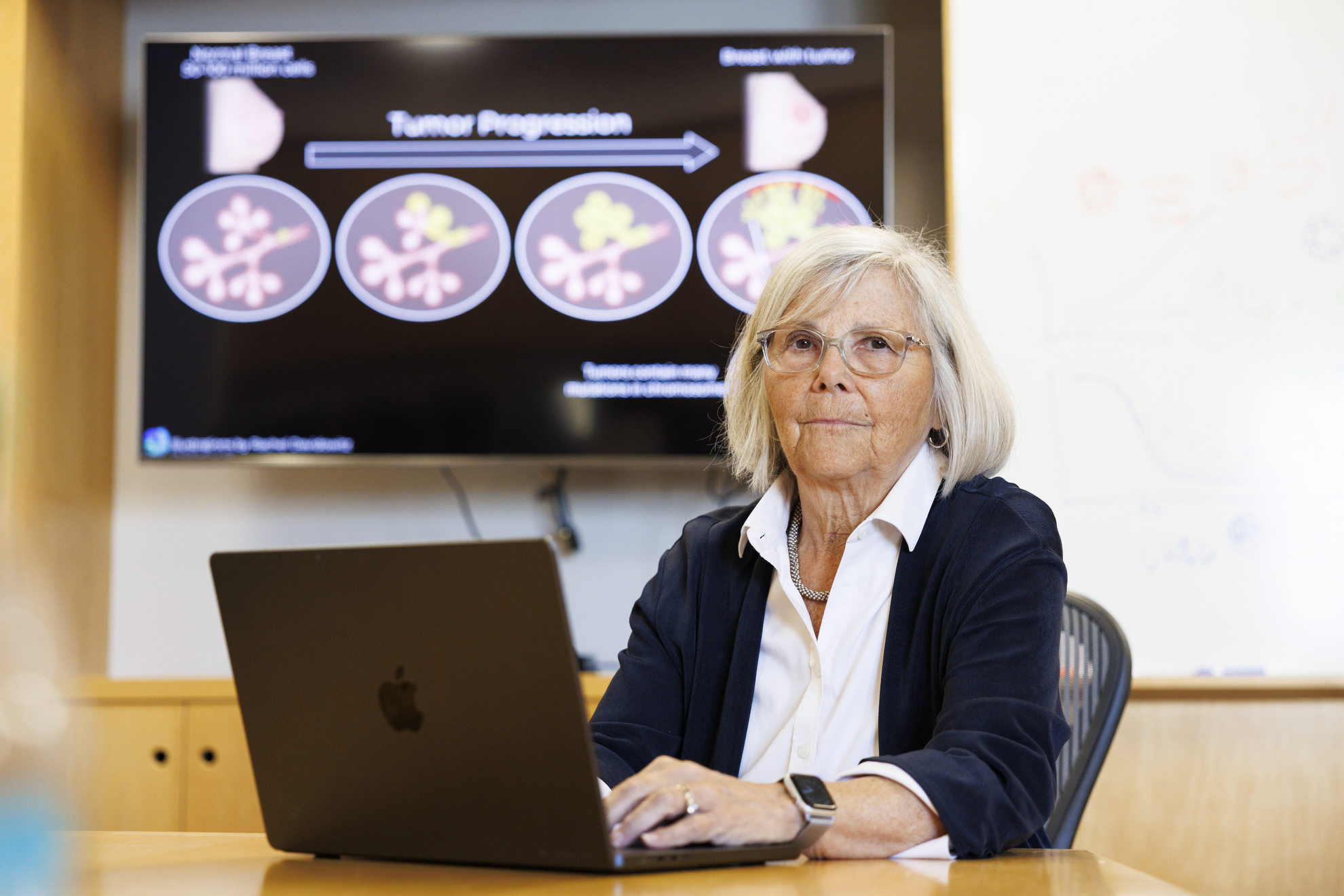
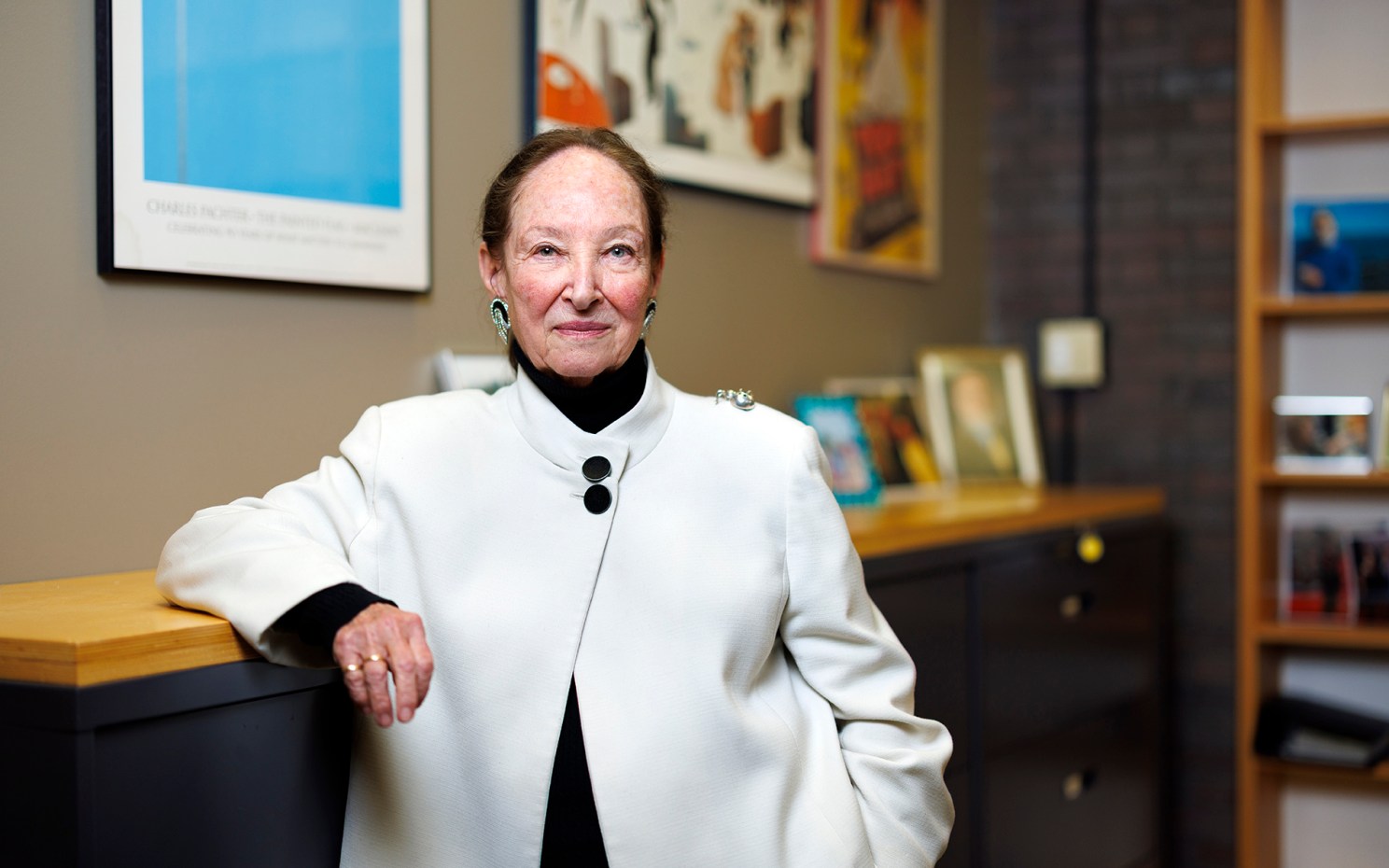
Joan Brugge, the Louise Foote Pfeiffer Professor of Cell Biology at Harvard Medical School and director of the Ludwig Center, did not always envision a life dedicated to the microscopic complexities of oncology. As a sophomore at Northwestern University, her ambitions were firmly rooted in the structured, logical world of mathematics. However, a singular, devastating telephone call from her parents in 1969 abruptly altered the trajectory of her career. Her 21-year-old sister had been diagnosed with a malignant brain tumor, a condition that would lead to her death just over a year later.
The trauma of witnessing her sister’s decline—from a vibrant young adult to a patient incapacitated by aggressive radiation treatments—ignited a profound need for answers in Brugge. In the years following her sister’s passing, Brugge transitioned from an aspiring math teacher to a pioneering scientist whose work has been instrumental in the modern understanding of how cancer cells proliferate and survive.
A shift in focus: From mathematics to molecular biology
Brugge’s pivot began with simple, albeit desperate, curiosity. During visits to her sister’s doctors in Cincinnati, she began to interrogate the medical staff regarding the etiology of the tumor. The answers she received—vague references to the nascent study of viruses and cancer—prompted her to return to Northwestern and request an independent study on the subject. This academic exercise served as her introduction to the scientific method, where she found that her passion for problem-solving, once directed at abstract mathematical equations, was better suited to the high-stakes puzzle of human disease.
Her academic path led her to a Ph.D. in virology from Baylor College of Medicine. By 1975, while serving as a postdoctoral researcher at the University of Colorado, she stood at the threshold of one of the most significant breakthroughs in cancer research history: the characterization of the SRC gene.
The discovery of the SRC gene and its historical significance
In the mid-1970s, the field of cancer biology was fundamentally transformed by the identification of the SRC gene by Harold Varmus and Michael Bishop at the University of California, San Francisco. Their work established that certain genes, when dysregulated, could act as drivers of cellular growth, transforming healthy cells into malignant ones.
Brugge’s laboratory was central to this era, successfully detecting and isolating the SRC protein. This discovery provided empirical evidence that cellular proliferation is governed by a precise, albeit fragile, balance of genetic expression. It became clear to Brugge that there was no "silver bullet" or single "eureka" cure for cancer; rather, the disease was a manifestation of complex, disrupted biological pathways. This realization shifted her research philosophy toward a granular, systematic analysis of these pathways—an approach that remains the cornerstone of her work today.
Professional trajectory and leadership at Harvard
Brugge’s career path is marked by significant transitions between academia and industry. She held faculty positions at SUNY-Stony Brook and the University of Pennsylvania before taking on the role of senior vice president and scientific director at ARIAD Pharmaceuticals. In 1997, she returned to the academic fold at Harvard Medical School, where she chaired the Department of Cell Biology from 2004 to 2014. Since then, she has served as co-director of the Ludwig Center, an interdisciplinary hub designed to foster collaboration across the Harvard ecosystem to tackle the most persistent challenges in oncology.
Addressing the challenges of ovarian and breast cancer
The loss of her mother to ovarian cancer in 2008 further intensified Brugge’s commitment to translational research. This period marked her involvement in comprehensive studies analyzing human tumors before and after chemotherapy. Her objective was to identify the mechanisms that allow certain cells to survive standard treatment, ultimately leading to relapse.
Brugge’s lab has since adopted cutting-edge methodologies to simulate the tumor microenvironment. Recognizing that traditional 2D cell cultures on plastic dishes failed to mimic the complexity of human tissue, she pioneered the use of 3D organoid cultures and transplantation-based animal models. These tools allow her team to observe how cells interact in a context that reflects the physiological conditions of the body.
Her current focus includes single-cell analysis of BRCA1 and BRCA2 mutations in breast cancer. By identifying the precursor cells that carry these mutations, Brugge and her colleagues hope to develop interventions that can eliminate these cells before they accumulate and progress to an untreatable stage.
The fiscal reality of modern scientific inquiry
Despite the scientific promise, the landscape of biomedical research is heavily constrained by the realities of funding. Brugge has been vocal about the precarious nature of federal grants, noting that the reduction of government funding for high-impact research creates significant roadblocks. When a lab loses federal support, the burden shifts to private philanthropy to keep projects alive. For researchers, this uncertainty is not merely a logistical challenge; it is a psychological one that threatens the continuity of long-term studies.
The financial pressure is compounded by the high cost of the technologies required for modern research. Metabolomics, high-throughput microscopy, and genomic sequencing are expensive, yet essential for the level of precision Brugge’s team requires. Despite these hurdles, she remains optimistic about the potential of checkpoint inhibitors—therapies that leverage the immune system to target cancer cells—and the eventual breakthroughs in tumors that have historically proven resistant to standard treatment.
Broader impact and future directions
The implications of Brugge’s work extend far beyond the laboratory. By focusing on the "vulnerabilities" of cancer cells, her team is moving toward a model of preventative oncology. This strategy seeks to shift the focus from treating late-stage, metastatic disease to intercepting cancer at its inception.
The analytical rigor that Brugge once applied to mathematics is now directed at the molecular "pipeline" of oncogenesis. Her career serves as a bridge between the early discoveries of the 1970s and the personalized, precision-medicine era of the 2020s.
Conclusion: A legacy motivated by memory
Throughout her tenure at Harvard, Brugge has maintained a clear sense of purpose. Whether navigating the complexities of university administration, overseeing interdisciplinary research at the Ludwig Center, or mentoring the next generation of biologists, her motivation remains anchored in the past.
"After seeing what my family went through and what my sister went through, that was the motivation," Brugge stated in reflection. "Just to be part of research that could potentially make a difference."
As cancer research moves into an era of unprecedented data density and technical capability, the work of Joan Brugge stands as a testament to the power of combining personal motivation with the highest standards of scientific inquiry. Her journey underscores the necessity of perseverance in the face of both biological mysteries and institutional challenges, ensuring that the quest for a cure continues, one pathway and one cell at a time.