MSU Faculty Deliver Resounding Vote of No Confidence in Board of Trustees Amid Leadership Turmoil and Governance Crisis

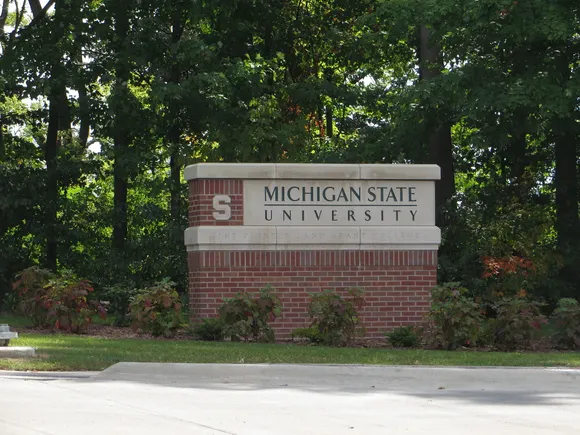
The faculty of Michigan State University has delivered a stinging rebuke to the institution’s governing body, passing an overwhelming vote of no confidence in the Board of Trustees. The move marks a dramatic escalation in a decade-long period of instability that has seen the university cycle through six presidents and endure repeated public scandals. The vote, conducted by the Academic Congress, saw 1,199 members supporting the resolution, while only 120 voted against it. The brief but pointed resolution stated: “Be it Resolved, That the Academic Congress of Michigan State University lacks confidence and trust in the Board of Trustees to effectively oversee Michigan State University.”
This historic vote is not merely a reaction to a single event but the culmination of years of frustration regarding the board’s perceived overreach, internal infighting, and inability to maintain stable leadership. Faculty leaders argue that the board’s behavior has damaged the university’s national reputation and created a culture of distrust that hinders the institution’s core mission of research and education.
A Legacy of Turmoil: From Nassar to the Present
To understand the depth of the faculty’s frustration, one must look back to the 2016 revelations surrounding former MSU sports physician Larry Nassar. The scandal, which involved the sexual abuse of hundreds of young women and girls under the guise of medical treatment, shattered the university’s reputation and led to the resignation of then-President Lou Anna Simon in 2018. In the years following, the Board of Trustees has faced intense scrutiny regarding its handling of the fallout, including legal battles over the release of internal documents and the management of a massive settlement fund for survivors.
Since Simon’s departure, Michigan State has struggled to find a permanent leader who can navigate the complex political landscape of the board. The turnover rate is staggering; the university has had six presidents—including interim and acting leaders—since 2018. This lack of continuity has led to what faculty describe as "leadership limbo," where long-term strategic planning is sacrificed in favor of managing immediate crises.
The Guskiewicz Controversy and the 55 Percent Raise
The most recent catalyst for the no-confidence vote involves current President Kevin Guskiewicz. Earlier this year, Guskiewicz publicly considered leaving MSU to take the helm at Clemson University, citing concerns about the board’s governance. In an effort to retain him, the board held a special meeting in May to approve a significant pay raise—estimated at 55%—and amended its own code of ethics to curb the public bickering that has characterized its meetings.
Despite these concessions, the optics of the situation were poorly received by the campus community. John Aerni-Flessner, an MSU history professor and chair of the faculty senate, noted that the board’s five-week silence during Guskiewicz’s period of indecision left the university in a state of paralysis. While Guskiewicz eventually decided to stay, the process raised serious questions about the board’s priorities and its ability to lead without resorting to reactionary financial incentives.
In his message to the university community, Guskiewicz himself did little to soothe concerns about the board. He spoke of the need for "a shared commitment to collaboration, trust and a forward-looking vision," but admitted that too much energy had been spent "revisiting past conflicts and internal disagreements." Most damningly, he referenced the actions of certain board members who he alleged "abuse their access to privileged and confidential information to misrepresent facts, manipulate situations and selectively use and leak that information to promote personal agendas."
Allegations of Misconduct and Board Censure
The infighting mentioned by Guskiewicz is well-documented. In early 2024, the Board of Trustees took the unusual step of censuring two of its own members, Rema Vassar and Dennis Denno, following an independent investigation into allegations of misconduct. Vassar, a former board chair, had been accused of bullying, overstepping her authority, and interfering with administrative decisions.
The investigation revealed a fractured governing body where personal agendas often superseded the needs of the university. These internal rifts have not been confined to the boardroom; they have spilled out into public meetings, characterized by shouting matches and accusations of bad faith. This environment led Guskiewicz’s predecessor, Samuel Stanley, to resign in 2022. Stanley was even more vocal than Guskiewicz, stating at the time of his departure that he had lost all faith in the trustees’ ability to govern. In 2022, faculty also passed a no-confidence vote against the board specifically over allegations that trustees had improperly inserted themselves into a faculty tenure decision.
The Structural Barrier: Why Removal is Difficult
Despite the overwhelming lack of confidence from faculty, the path to changing the composition of the Board of Trustees is fraught with legal and political hurdles. Unlike many private universities where boards are self-appointing or appointed by a governor, MSU’s trustees are elected by the voters of Michigan in statewide elections. They serve staggered eight-year terms, making them politically accountable to the public rather than the university administration or faculty.
Removing a trustee before their term expires is nearly impossible under Michigan law. A recall effort would require a petition with approximately 1.1 million signatures—a monumental task that has never been successfully completed for a university trustee in the state’s history. While the Governor of Michigan has the power to remove a trustee for "gross neglect of duty" or "corrupt conduct in office," such an action is rare and requires a high burden of proof.
This structural reality means that the faculty’s no-confidence vote is largely symbolic, though its moral weight is significant. It serves as a formal declaration to the public and to future leadership candidates that the current governance model is viewed as a failure by those who perform the university’s primary work.
Institutional Implications and External Perception
The ongoing governance crisis at Michigan State has implications that extend far beyond the East Lansing campus. Educational experts warn that persistent board interference and presidential turnover can jeopardize a university’s accreditation. The Higher Learning Commission (HLC), which accredits MSU, has previously expressed concern regarding the board’s role in university operations. A loss of accreditation would be catastrophic, resulting in the loss of federal funding and the devaluing of degrees held by thousands of students and alumni.
Furthermore, the "outside perception" of MSU as a mismanaged institution makes it increasingly difficult to recruit top-tier talent. High-level administrators and faculty members are often wary of joining an institution where the governing board is known for volatility and overreach. As Professor Aerni-Flessner pointedly asked in his remarks to the Academic Congress, “Can we REALLY afford to have another national news story about MSU’s misgovernance?”
The financial costs are also mounting. Between massive legal settlements, high-priced consulting fees for "governance reviews," and the significant raises used to retain leadership, the university is diverting resources that could otherwise be used for student scholarships, facility upgrades, or research initiatives.
Official Responses and the Path Forward
In response to the vote, Board Chair Brianna Scott issued a statement on Wednesday attempting to downplay the results. “I do not believe the hard work, dedication and reliable support of the majority of the Board is reflected in the results of the vote by the Academic Congress,” Scott said. Her statement suggests a disconnect between the board’s self-perception and the reality experienced by the faculty.
For his part, President Guskiewicz has maintained a diplomatic stance since his decision to remain at the university. He noted that he has had "productive conversations" with board leaders regarding governance challenges and believes the board has "demonstrated a commitment to implementing a more robust governance structure." However, given the history of similar promises made by previous board chairs, the faculty remains skeptical.
The no-confidence vote serves as a clear signal that the faculty is no longer willing to accept the status quo. While they may not have the power to remove the trustees directly, their collective voice exerts pressure on the board to adhere to its new ethics code and to stop the "public squabbling" that has defined its recent history.
Analysis: A Crisis of Trust in Higher Education Governance
The situation at Michigan State University is a high-profile example of a growing trend in American higher education: the politicization and dysfunction of governing boards. As universities become more complex and the stakes for their success grow higher, the role of the trustee has shifted from one of quiet stewardship to one of active—and sometimes intrusive—management.
At MSU, the lack of trust is not just between the faculty and the board, but between the board and the administration, and even among the trustees themselves. Without a fundamental shift in how the board operates—moving away from personal agendas and toward a model of collaborative governance—the university remains at risk of continued instability.
The faculty’s vote is a demand for transparency, accountability, and a return to traditional norms of university governance where the board sets broad policy and provides oversight while leaving the day-to-day management to the president and the academic decisions to the faculty. Whether the Board of Trustees will heed this message or continue on its current path remains the most critical question facing Michigan State University as it looks toward the future. For now, the 1,199-to-120 margin stands as a stark reminder of the deep divide that remains at the heart of one of the nation’s premier land-grant institutions.