Kimchi-derived probiotic strain shows potential in mitigating nanoplastic accumulation in the human body

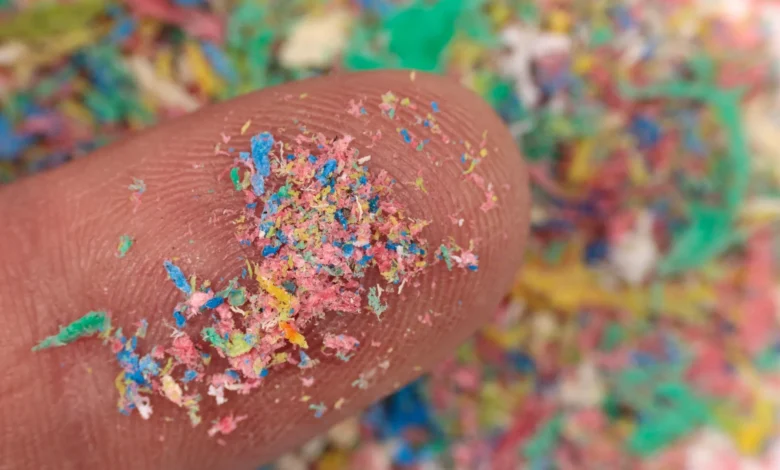
The World Institute of Kimchi (WiKim), a government-funded research organization operating under the South Korean Ministry of Science and ICT, has unveiled a significant breakthrough in the intersection of food science and environmental health. A research team led by Drs. Se Hee Lee and Tae Woong Whon has successfully identified a specific lactic acid bacterium isolated from traditional kimchi, Leuconostoc mesenteroides CBA3656, which demonstrates a remarkable capacity to bind to and facilitate the excretion of nanoplastics from the gastrointestinal tract. This discovery offers a novel biological strategy to address the growing global health crisis surrounding micro- and nanoplastic ingestion.
The Emerging Crisis of Nanoplastic Exposure
Nanoplastics—defined as plastic particles smaller than 1 micrometer (one-thousandth of a millimeter)—have become ubiquitous in the global ecosystem. Unlike larger microplastics, which are often visible to the naked eye or through standard microscopy, nanoplastics result from the secondary degradation of larger plastic debris, including food packaging, synthetic textiles, and industrial runoff. Because of their infinitesimal size, these particles pose a unique toxicological threat; they possess a large surface-area-to-volume ratio, allowing them to traverse biological membranes that would typically act as barriers to larger contaminants.
Scientific consensus currently identifies the human gastrointestinal tract as a primary gateway for nanoplastic entry. Once ingested through contaminated water, processed food, or airborne particles, these substances can potentially translocate from the lumen of the gut into the circulatory and lymphatic systems. Research has indicated that these particles may eventually accumulate in vital organs, including the liver, kidneys, and the blood-brain barrier. The long-term physiological impact remains a subject of intense global scrutiny, with concerns centering on chronic inflammation, endocrine disruption, and cellular oxidative stress. Despite these risks, existing medical interventions to purge nanoplastics from the human body are virtually non-existent, leaving a significant gap in preventative health strategies.
Methodology and Research Chronology
The research project conducted at WiKim followed a rigorous, multi-stage experimental protocol designed to evaluate the efficacy of kimchi-derived probiotics in an environment mimicking the human gut. The investigation was initiated to address the limitations of conventional probiotics, which often fail to survive or maintain functional activity when exposed to the harsh, acidic, and complex biochemical environment of the human digestive system.
- Initial Screening and Adsorption Testing: The research team began by analyzing various lactic acid bacteria strains found in kimchi. Leuconostoc mesenteroides CBA3656 was selected for its robust profile. In standard laboratory settings, the team compared the adsorption efficiency of CBA3656 against Latilactobacillus sakei CBA3608, a well-known reference strain. Both strains initially demonstrated high performance, with CBA3656 achieving an 87% adsorption efficiency against polystyrene nanoplastics (PS-NPs), compared to 85% for the reference strain.
- Simulated Intestinal Modeling: Recognizing that laboratory performance often fails to translate into real-world biological applications, the researchers moved to simulated human intestinal conditions. This phase involved testing the bacteria in an environment characterized by bile salts, specific pH levels, and digestive enzymes. The results were stark: while the reference strain’s efficacy plummeted to 3%, the CBA3656 strain maintained an impressive 57% adsorption rate. This finding suggested that the structural or biochemical properties of the CBA3656 cell wall are uniquely suited to remain active in the gut.
- In Vivo Validation: To confirm these results in a living system, the researchers employed germ-free mouse models. By administering the probiotic to a test group and comparing it to a control group, the scientists measured the concentration of polystyrene nanoplastics in the feces. The study concluded that the probiotic group exhibited a twofold increase in the excretion of nanoplastics, providing strong evidence that the bacteria bind to the plastics and usher them through the digestive tract before they can be absorbed into the bloodstream.
Analytical Implications of the WiKim Findings
The implications of this research extend far beyond the culinary appreciation of kimchi. By identifying a probiotic that functions as a “molecular magnet” for nanoplastics, the WiKim team has opened a new sub-field in nutritional toxicology.
Current public health initiatives regarding plastic pollution primarily focus on macro-level environmental remediation—such as beach cleanups or policy shifts toward biodegradable materials. However, these efforts do not address the legacy plastics already circulating in the food chain. The introduction of a functional probiotic represents a proactive, individualized approach to mitigating internal exposure.
Furthermore, this study highlights the untapped potential of traditional fermented food microbiomes. Kimchi, a staple of Korean cuisine, is already recognized for its rich biodiversity of Leuconostoc, Lactobacillus, and Weissella species. This research underscores that these microorganisms do not merely contribute to the preservation and flavor of the food; they possess complex surface proteins and extracellular polysaccharides that can interact with modern environmental pollutants.
Official Responses and Future Directions
Dr. Se Hee Lee, the study’s lead researcher, emphasized the urgency of the findings during the press announcement at the World Institute of Kimchi. "Plastic pollution is increasingly recognized not only as an environmental issue but also as a public health concern," Dr. Lee stated. "Our findings suggest that microorganisms derived from traditional fermented foods could represent a new biological approach to address this emerging challenge. We will continue to expand the scientific value of kimchi microbial resources to contribute to public health and environmental solutions."
The reaction from the broader scientific community has been one of cautious optimism. Environmental toxicologists have noted that while the mouse model results are compelling, human clinical trials will be the next necessary milestone. Establishing the dosage, safety profile, and long-term stability of Leuconostoc mesenteroides CBA3656 in human subjects will require extensive longitudinal study.
The Ministry of Science and ICT, which oversees the institute, has signaled support for the continued exploration of these microbial resources. As global regulatory bodies—including the World Health Organization (WHO) and the European Food Safety Authority (EFSA)—intensify their focus on microplastic safety standards, the WiKim study provides a vital scientific foundation for future dietary interventions.
Broader Context: The Probiotic Industry and Environmental Health
The global probiotic market is projected to reach unprecedented valuations by the end of the decade, driven by an increasing consumer focus on gut health. Historically, the benefits of probiotics were categorized under digestive health and immune support. The WiKim findings categorize these supplements as potential “environmental detoxifiers,” a shift that could revolutionize the industry.
However, experts caution that this discovery should not be interpreted as a license to disregard plastic consumption habits. The accumulation of nanoplastics in the body is a systemic issue, and while probiotics may assist in excretion, they cannot eliminate the risks posed by the continuous ingestion of contaminated materials. The research team is now shifting focus toward the development of functional food products that could incorporate these specific strains, potentially offering a commercialized method for regular consumers to manage their exposure levels.
Conclusion
The research conducted by the World Institute of Kimchi marks a pivotal moment in how we address the invisible threat of nanoplastics. By validating that a traditional, kimchi-derived bacterium can maintain high adsorption efficiency within the complex environment of the human gut, the team has provided a scalable, biological mechanism to help the body purge harmful synthetic pollutants. As the institute moves toward subsequent phases of development, including human clinical trials and product integration, the focus will remain on the intersection of ancient dietary wisdom and the pressing environmental realities of the 21st century. This study serves as a testament to the fact that, in the face of modern ecological crises, the solutions may often be found in the most traditional of sources.
Related posts: