Asian longhorned tick nairovirus: New pathogen identified in China as researchers uncover cause of unexplained fever illnesses

In a significant development for global infectious disease surveillance, a research team led by the State Key Laboratory of Pathogen and Biosecurity in Beijing has identified a previously unknown pathogen now designated as the Asian longhorned tick nairovirus (ALTNV). This discovery, published in the New England Journal of Medicine, addresses a long-standing medical mystery: the high prevalence of patients presenting with symptoms of tick-borne hemorrhagic fever who repeatedly tested negative for the known pathogen Dabie bandavirus (DBV). The identification of ALTNV marks a crucial step forward in understanding the complex landscape of zoonotic diseases currently circulating in East Asia, providing a clinical explanation for hundreds of previously undiagnosed cases of febrile illness.
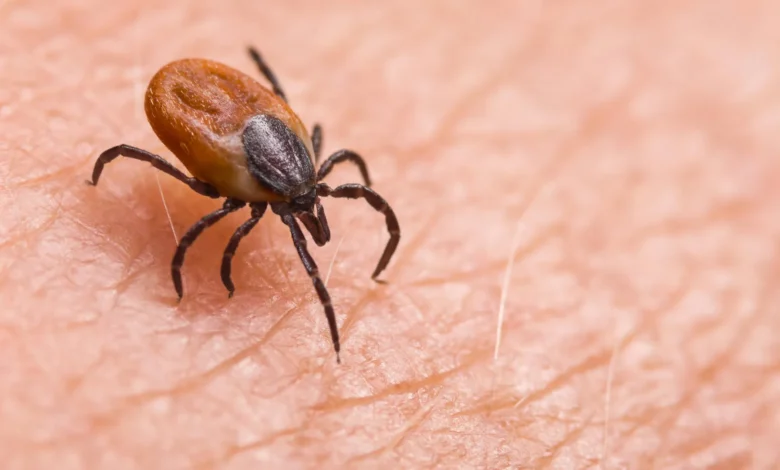
The emergence of ALTNV comes at a time when health authorities are increasingly concerned about the expansion of tick-borne pathogens. The Asian longhorned tick, Haemaphysalis longicornis, is a known vector for a suite of diseases, and the discovery of a new virus carried by this species highlights the urgent need for enhanced diagnostic capabilities in endemic regions.
A Scientific Investigation into Unexplained Illnesses
The impetus for this research originated from a persistent clinical gap. For years, clinicians in Chinese sentinel hospitals observed a subset of patients presenting with symptoms nearly identical to Severe Fever with Thrombocytopenia Syndrome (SFTS)—a disease caused by the DBV virus, which carries a staggering case-fatality rate of 10% to 30%. Despite the clinical presentation of fever, fatigue, and thrombocytopenia, roughly 30% of these patients consistently yielded negative results for DBV.
Researchers hypothesized that another, unidentified pathogen was likely responsible for these "SFTS-like" illnesses. To investigate this, the team systematically collected samples from patients who had experienced tick bites and sought treatment at hospitals across regions where tick-borne viruses are hyper-endemic. Using advanced molecular diagnostic techniques, including RNA sequencing and viral isolation, the team successfully identified the presence of a novel orthonairovirus.
Subsequent genetic analysis confirmed the virus’s taxonomic placement within the family Nairoviridae. By comparing its protein structure to other known orthonairoviruses, scientists determined that ALTNV shares less than 80% of its amino acid sequence with existing species, a threshold that formally classifies it as a distinct and previously unknown virus. Further laboratory validation, including immunofluorescence testing and electron microscopy, confirmed that the virus is not only distinct but capable of active replication in human cell lines.
Prevalence and Clinical Presentation
The scope of the study was extensive, involving 3,163 patients. The data revealed that ALTNV is not merely an isolated curiosity but a widespread public health concern. Among the study participants, 10.4% tested positive for ALTNV via viral RNA detection or the presence of immunoglobulin M (IgM) antibodies, which serve as a marker for recent infection. Most notably, in the subset of patients who tested negative for the well-known DBV, the prevalence of ALTNV jumped to 15.1%.
Patients infected exclusively with ALTNV typically exhibit a flu-like clinical profile. The most prevalent symptom is profound fatigue, reported by 84% of infected individuals. Gastrointestinal complications, such as nausea, vomiting, or diarrhea, were noted in 80% of cases. Hematological and physiological markers were also significant: 38% of patients presented with thrombocytopenia, and 36% showed elevated aminotransferase levels, signaling potential liver inflammation or tissue injury. While the patients infected solely with ALTNV generally recovered with standard supportive care, the presence of the virus necessitates closer medical observation, particularly in older patients or those with pre-existing conditions.
The Dangers of Coinfection
Perhaps the most alarming finding of the research is the impact of coinfection. The study identified 38 patients who were concurrently infected with both ALTNV and DBV. When compared to patients suffering only from DBV, this coinfected cohort demonstrated significantly higher rates of severe complications.
Respiratory symptoms, such as labored breathing and reduced oxygen saturation, were reported in 61% of coinfected patients, compared to just 38% in the DBV-only group. Furthermore, kidney impairment—a serious systemic complication—was present in 84% of coinfected patients, versus 66% in the single-infection group. The mortality rate for this coinfected group was 18.4%, with seven deaths recorded among the 38 patients. These statistics underscore a clear clinical synergistic effect: the presence of both viruses appears to overwhelm the host’s immune response more effectively than either virus acting alone, leading to higher rates of organ failure and mortality.
Entomological Surveillance and Transmission Dynamics
The reach of ALTNV extends far beyond the human clinical environment. To understand the environmental reservoir, the research team conducted a massive entomological survey, analyzing 47,428 ticks collected from 15 different provinces in China. The findings confirmed that the virus is well-established in the wild, with 1.3% of the collected ticks testing positive for ALTNV RNA.
The Haemaphysalis longicornis tick, often referred to as the Asian longhorned tick, emerged as the primary vector, with 1.8% of this species testing positive. To confirm the link between the vector and the virus, researchers conducted controlled laboratory experiments, successfully demonstrating that H. longicornis is capable of transmitting ALTNV to mice. This confirms that the tick is not just a carrier but a biological vector capable of sustaining and spreading the infection.
Broader Public Health Implications
The discovery of ALTNV necessitates a reevaluation of clinical protocols in areas where SFTS is endemic. Because ALTNV and DBV share the same geographic range and the same tick vector, medical professionals can no longer rely on a single diagnostic test for patients presenting with tick-borne febrile illness. The authors of the study have issued a strong recommendation for the development of improved differential diagnostic tools.
"The cocirculation of ALTNV and DBV in the same areas, coupled with their shared tick vector, underscores the need for improved differential diagnosis between infections with these viruses in regions where SFTS is endemic," the research team stated in their report. Failure to distinguish between these two viruses could lead to inappropriate clinical management, particularly if the coinfection dynamics remain unmonitored.
The emergence of ALTNV also highlights the importance of the "One Health" approach to disease surveillance. By monitoring the viral load in tick populations alongside human clinical data, researchers can better predict and prepare for seasonal outbreaks. The fact that the virus was found across 15 provinces suggests that it is not a localized phenomenon but a widespread pathogen that has likely been circulating, undetected, for years.
Future Research Directions
While the current study provides a foundation for understanding the clinical and virological characteristics of ALTNV, many questions remain. Epidemiologists are now focused on determining the full geographic distribution of the virus outside of China. Given that the Haemaphysalis longicornis tick is an invasive species that has been reported in other parts of the world, including North America, Australia, and other parts of Asia, there is a legitimate concern regarding the potential for international spread.
Further research is also required to understand the long-term sequelae of ALTNV infection. While the study noted that patients with sole infections recovered, the specific immunological markers that dictate the progression from mild flu-like symptoms to severe systemic illness remain poorly understood. Additionally, the development of antiviral treatments or vaccines remains a future priority, particularly given the severity of the outcomes observed in cases of coinfection.
As climate change continues to alter the distribution and seasonal activity of tick populations globally, the discovery of ALTNV serves as a sober reminder of the hidden risks residing in the wild. Public health officials are now emphasizing the importance of tick prevention measures—such as wearing protective clothing, using acaricides, and performing thorough tick checks after outdoor activities—as the primary line of defense against both ALTNV and its more lethal counterpart, the Dabie bandavirus.
In conclusion, the identification of ALTNV represents a vital contribution to infectious disease science. By uncovering the cause of hundreds of previously unexplained illnesses, researchers have provided the medical community with the data necessary to refine diagnostics, improve patient outcomes, and deepen our collective understanding of the intricate, ever-evolving landscape of tick-borne pathogens. The challenge now lies in translating these findings into robust public health surveillance systems that can keep pace with the ongoing expansion of zoonotic threats.