The contemporary geopolitical landscape is increasingly defined by instability across critical energy corridors, with analysts estimating that roughly 43 percent of the world’s oil supply originates from regions currently experiencing active military conflict or severe political unrest. For over a century, petroleum has served as both a primary economic driver and a primary catalyst for international conflict. However, ongoing disruptions in the Strait of Hormuz, the Red Sea, Eastern Europe, North Africa, and Latin America have exposed the structural vulnerabilities of a global economy reliant on fossil fuels. These cascading crises have coincided with an unprecedented global pivot toward electrified transportation and renewable energy infrastructure, a transition that market observers note is fundamentally altering international energy dynamics independently of traditional hydrocarbon markets.
The Chokepoints of Global Energy Supply
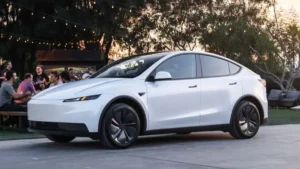
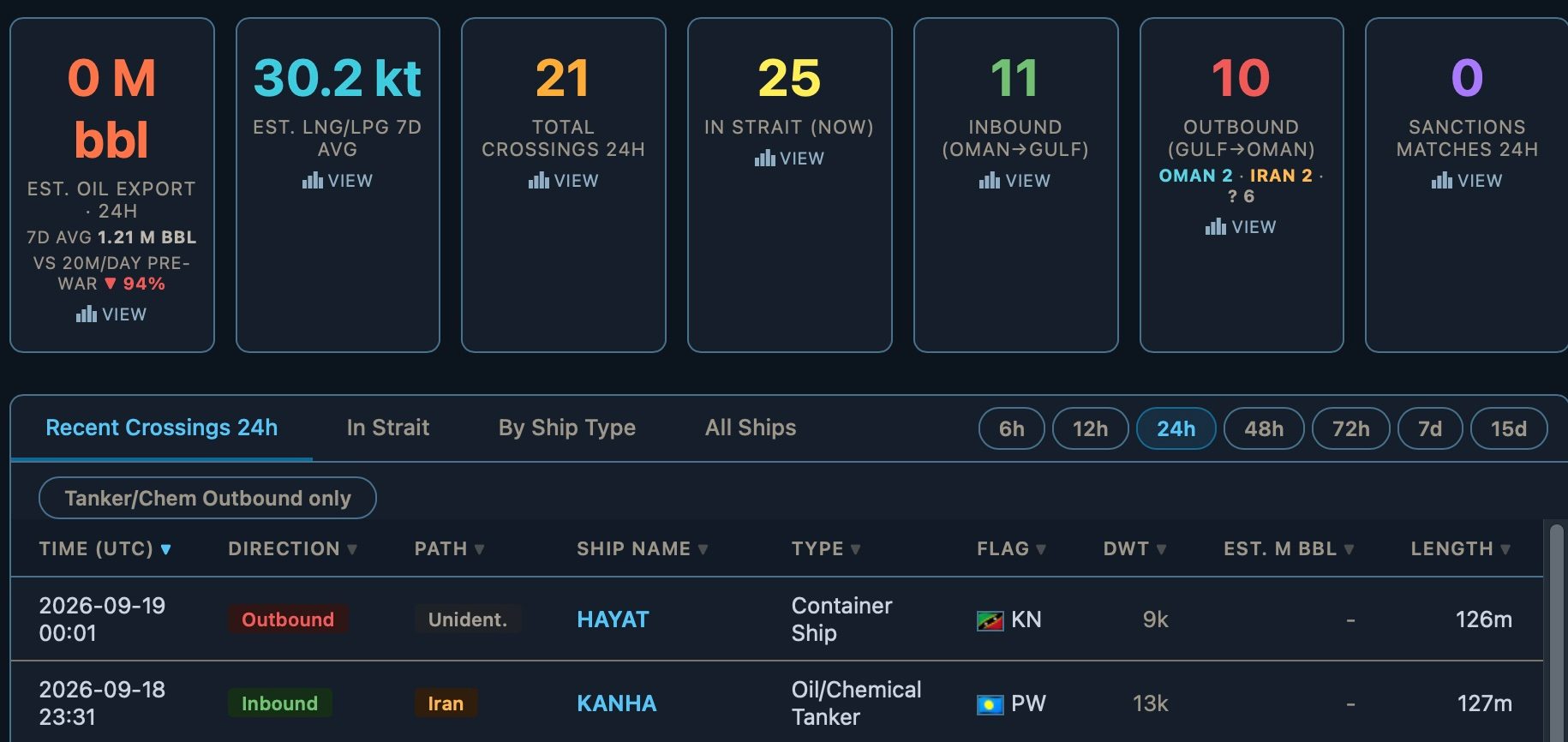
The vulnerability of maritime oil transit routes has been underscored by events in the Middle East, most notably the prolonged closure of the Strait of Hormuz. Historically, approximately one-fifth of the world’s petroleum supply traversed this narrow waterway. Following military engagements in early 2025 involving the United States, Israel, and Iran, maritime traffic through the strait was effectively halted after regional authorities declared the passage closed. Despite initial forecasts predicting catastrophic global oil price shocks, the anticipated market collapse was partially mitigated by a significant contraction in petroleum consumption by major importing nations. China, traditionally the largest consumer of oil passing through the Strait of Hormuz, curtailed its imports dramatically, driven by an aggressive national transition toward electric vehicles and electrified public transit systems. Industry data from late 2025 and 2026 indicate that widespread EV adoption in East Asia successfully neutralized a volume of oil demand equivalent to a substantial portion of Middle Eastern export capacities.
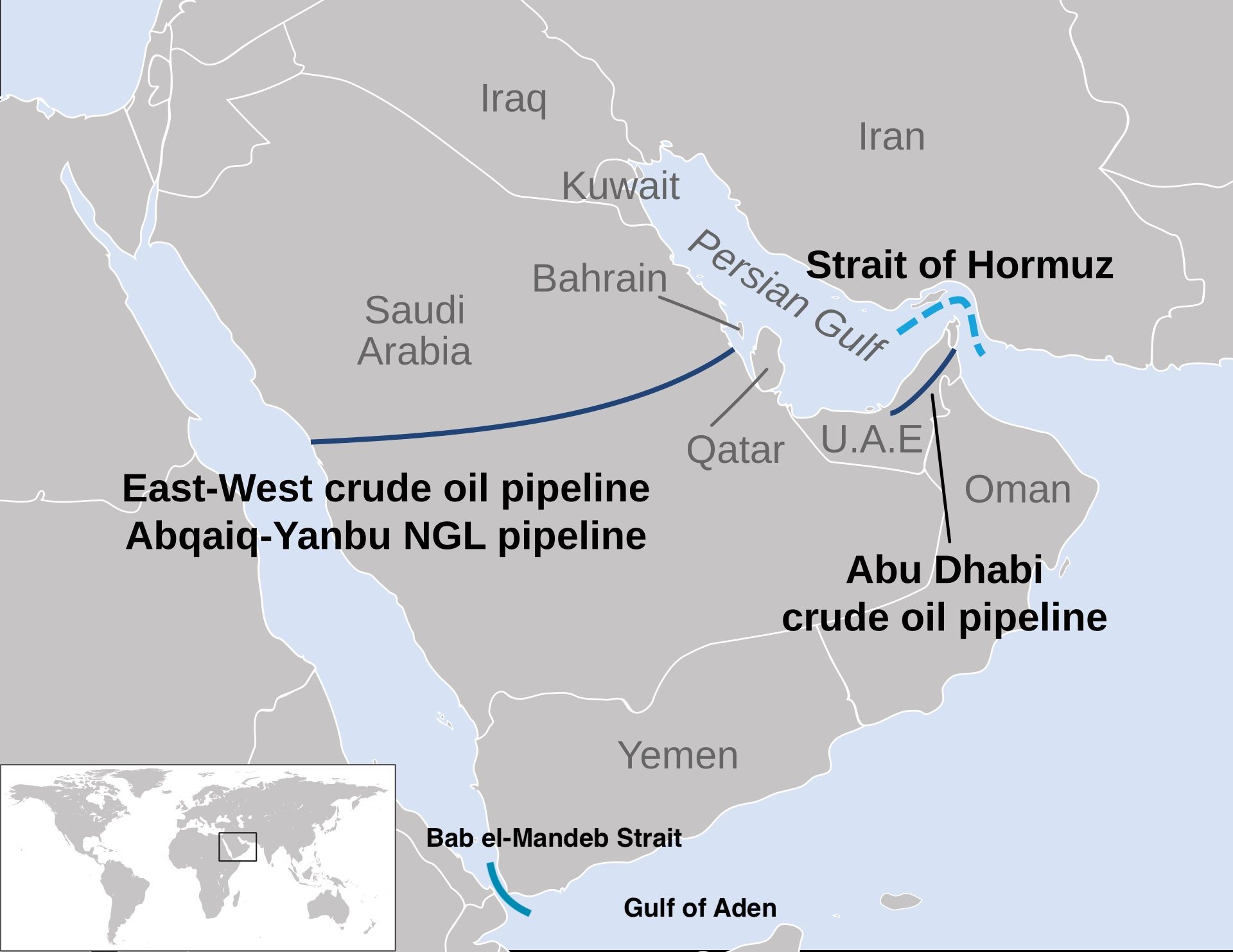
Compounding the crisis in the Persian Gulf, secondary logistical routes have faced direct military targeting. The East-West crude oil pipeline spanning Saudi Arabia, constructed in the 1980s to bypass maritime chokepoints, was forced to suspend operations following a drone attack on a critical pumping station. The strike, attributed to Houthi forces in Yemen, highlighted the precarious security surrounding regional energy infrastructure. Furthermore, instability near the Bab-el-Mandeb strait—through which roughly 9 percent of global seaborne oil shipments pass—has necessitated multinational naval defense pacts to protect commercial shipping in the Gulf of Aden, straining military and economic resources across allied nations.
European Energy Realignment and Industrial Disruption
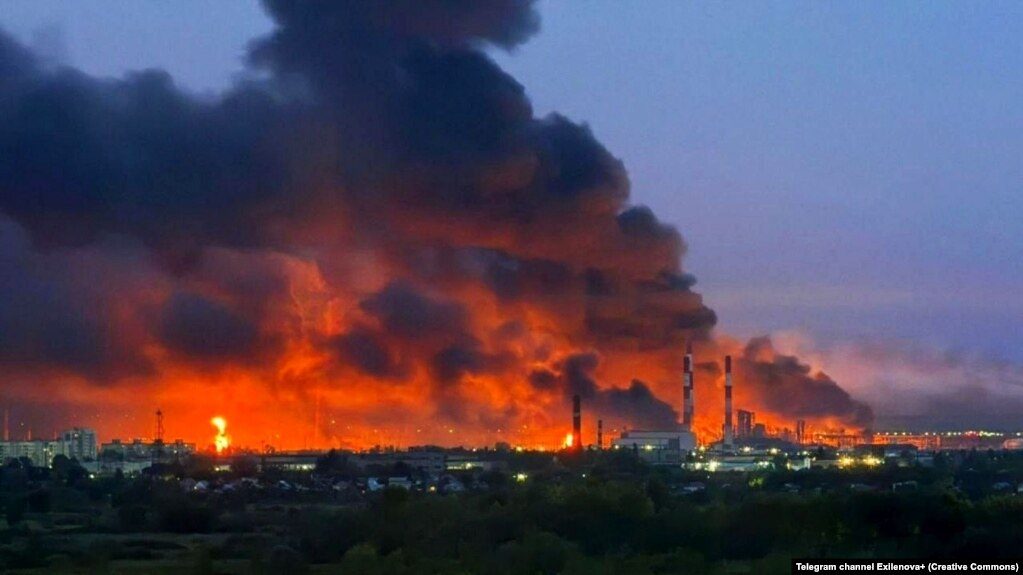
In Eastern Europe, the prolonged conflict between Russia and Ukraine has fundamentally reshaped continental energy markets. The invasion of Crimea in 2014 and the subsequent escalation of hostilities in 2022 transformed the Kerch Strait and surrounding waterways into contested military zones. International sanctions severely restricted Russian crude exports, while targeted Ukrainian military operations against domestic Russian oil refineries substantially reduced the federation’s refining capacity. Reports indicate that multiple major refineries have sustained operational damage, dropping national output below domestic demand thresholds.
This domestic fuel shortage in Russia catalyzed an unexpected surge in domestic electric vehicle sales, which doubled over a three-month period following intensified refinery strikes. Similarly, European nations accelerated long-term decarbonization efforts, substituting oil and natural gas heating with electrical heat pump installations to insulate local economies from geopolitical volatility.
Latin American and North American Energy Friction
Energy security tensions have extended to the Western Hemisphere through ongoing diplomatic and economic disputes involving Venezuela, Cuba, and the United States. In Venezuela, political upheaval and subsequent international interventions have left vast petroleum reserves under uncertain administrative control. Agreements granting foreign energy firms access to undeveloped fields face long development timelines that may extend beyond projected peaks in global oil demand.

Concurrently, intensified economic blockades restricting fuel shipments to Cuba have triggered severe electricity generation deficits on the island, resulting in rolling blackouts that have impacted essential municipal and medical infrastructure. In response, Cuban authorities have accelerated municipal solar power deployment and expanded the adoption of solar-charged electric utility vehicles to establish localized energy resilience.
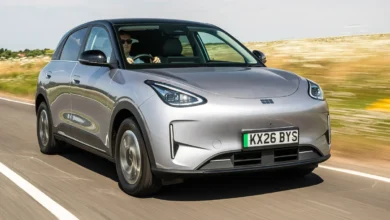
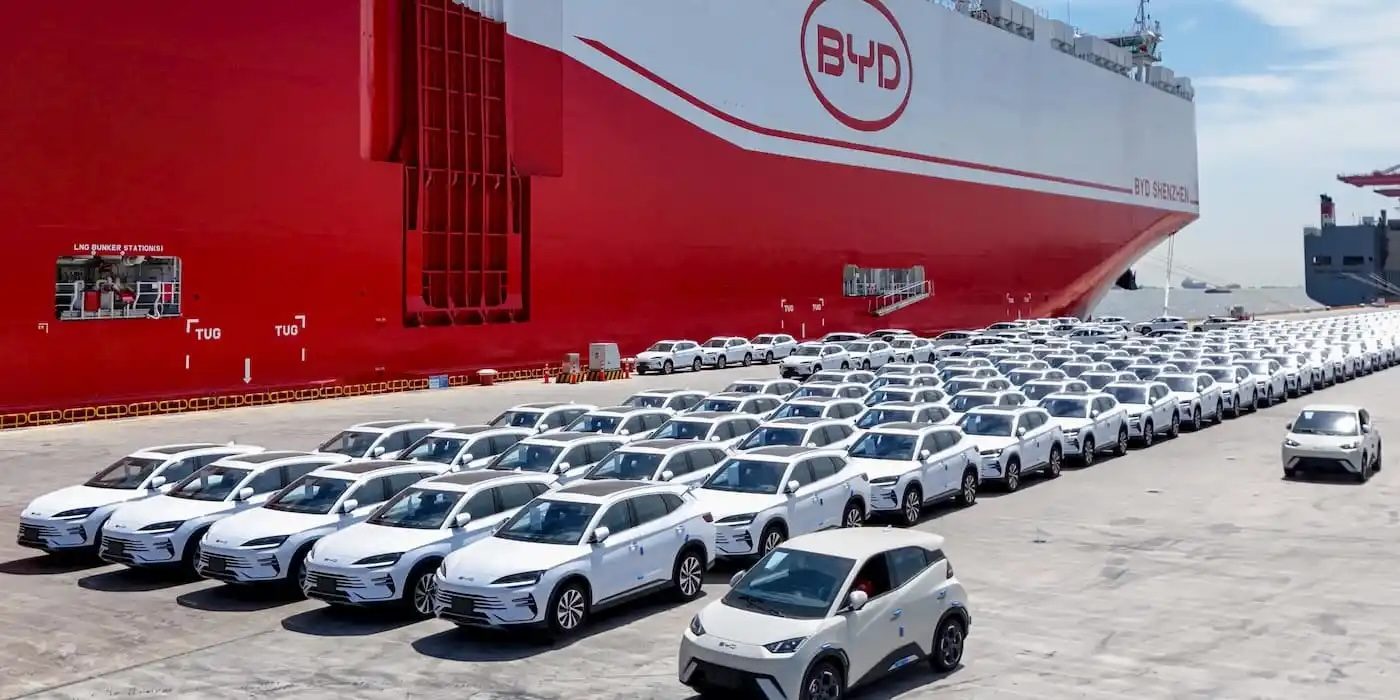
Within North America, trade frictions between the United States and Canada have introduced regulatory uncertainties into cross-border energy corridors. While distinct from active military conflicts, trade disputes have prompted Canadian policymakers to reevaluate traditional bilateral pipeline dependencies. Concurrently, broader trade realignments have enabled the importation of Chinese-manufactured electric vehicles into Canada, increasing domestic EV market penetration and diversifying consumer access to high-efficiency transport options.

Economic Implications and the Outlook for Global Energy Markets
Major financial institutions have acknowledged the unprecedented complexity of modeling contemporary energy futures. Reports from market analysts at firms such as JPMorgan Chase indicate traditional forecasting models are increasingly obsolete as non-traditional variables—ranging from sustained infrastructure attacks to rapid technological substitution—override historical pricing patterns. Governments worldwide have attempted to stabilize domestic markets by releasing strategic petroleum reserves, yet these emergency supplies are finite. As reserve inventories deplete, major consuming nations face renewed pressure to balance budgets against high fuel costs.
The broader macroeconomic impact of high petroleum input costs has reverberated across consumer goods sectors. Economists note that while electricity generation costs have experienced localized upward pressure due to rising demand from industrial sectors and data centers, electric vehicles maintain a substantial operational cost advantage over internal combustion engine vehicles globally. Energy efficiency metrics demonstrate that battery-electric platforms require significantly less primary energy per mile traveled than fossil-fueled counterparts, insulating electrified fleets from the direct volatility of crude oil pricing.
Technological Substitution and Future Market Trajectories

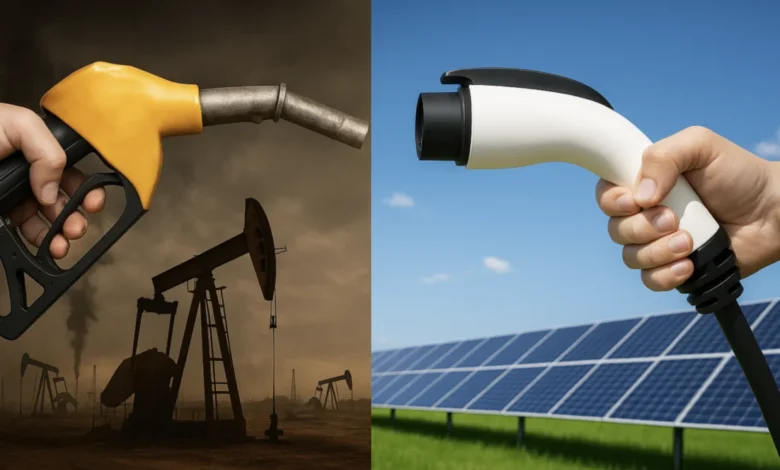
The ongoing convergence of geopolitical conflict and technological maturation has solidified the role of electrification as a structural remedy for energy insecurity. Transportation accounts for the vast majority of global liquid fuel consumption, predominantly within the light-duty passenger vehicle segment. Because electricity can be generated domestically utilizing diversified local resources—including wind, solar, hydroelectric, and nuclear generation—transitioning vehicle fleets to electric propulsion diminishes reliance on geographically concentrated hydrocarbon reserves.
Furthermore, the material supply chains associated with modern electric vehicle batteries differ fundamentally from the extractive and consumable nature of fossil fuels. Unlike oil, which is irreversibly burned during use, battery materials such as lithium, cobalt, and nickel are deployed in fixed quantities per vehicle and possess established recycling frameworks capable of recovering high percentages of constituent elements at end-of-life.
As global automotive markets continue to evolve, the divergence between regions embracing localized electric mobility and those maintaining traditional petroleum dependencies highlights a permanent shift in industrial strategy. With major economies accelerating infrastructure investments in renewable generation and battery storage, the long-term viability of petroleum as the foundational fuel of global transportation faces systemic and irreversible challenges.
Related posts: