The Evolving Landscape of Electric Vehicle Adoption Amidst Shifting Market Dynamics and Consumer Preferences

As the volatility of global fuel prices persists, the automotive landscape is undergoing a profound transformation. Consumers, increasingly sensitive to the high cost of combustion-engine operation, are recalibrating their purchasing behaviors, pivoting toward more economical alternatives. While hybrid vehicles have emerged as a dominant force due to their bridge-like utility between traditional internal combustion engines and fully electric powertrains, the electric vehicle (EV) segment continues to navigate a complex path of growth, price corrections, and changing consumer appetites.
A Complex Recovery: Analyzing Recent EV Sales Data
According to the latest industry intelligence from Cox Automotive, the market for new battery-electric vehicles (BEVs) showed signs of a modest rebound in August, registering a 2.5 percent increase in sales volume compared to July. While this month-over-month growth suggests a stabilizing trend, it is essential to contextualize these figures against the historical backdrop of the previous year. When viewed on a year-over-year basis, BEV sales remain down by 46.9 percent.
This significant year-over-year decline is largely attributed to a market anomaly observed in the previous cycle, during which consumers rushed to finalize EV acquisitions to capture federal tax incentives before legislative changes altered the eligibility landscape. The subsequent cooling effect reflects a recalibration of the market as it transitions from a period of subsidy-driven urgency to one defined by organic demand and broader economic considerations.
The Dominance of Market Leaders and the Rise of Challengers
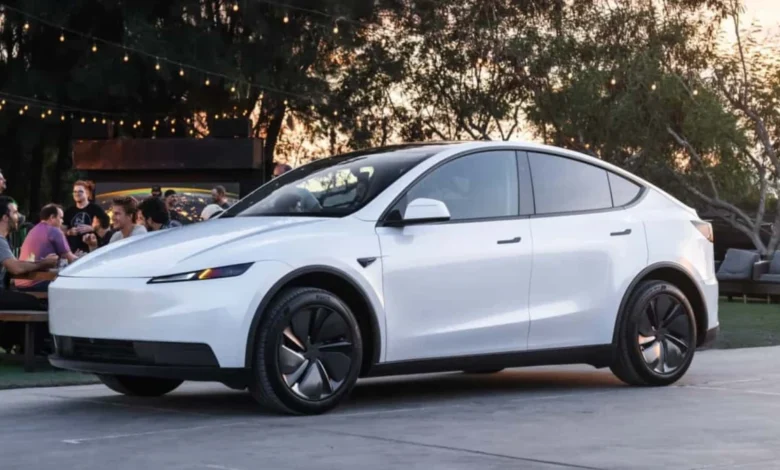
The hierarchy of the EV market remains heavily skewed toward legacy industry pioneers, yet the data indicates a tightening of the competitive field. Of the nearly 79,000 EVs sold in the United States last month, Tesla maintained its commanding position with approximately 41,000 units. Despite this high volume, Tesla experienced a 3.8 percent decline in sales relative to July, highlighting a subtle shift in market saturation and the increasing pressure from emerging competitors.
Toyota, in particular, has demonstrated significant momentum. By leveraging its established reputation for reliability and expanding its electrified portfolio, the Japanese automaker saw its EV sales surge by 34.9 percent in August, reaching 4,964 units. This shift signals that while Tesla continues to hold the "first-mover" advantage, mainstream manufacturers are successfully capturing a larger share of the expanding EV demographic, effectively challenging the notion that the market is a one-player field.
Price Parity and the Economic Incentive
A critical driver in the maturation of the EV market is the ongoing correction in transaction prices. In August, the average transaction price for a new electric vehicle fell by 1.3 percent, marking a 2.8 percent decrease compared to the same period last year. While the average price of an EV—currently sitting at approximately $54,754—remains higher than the average combustion-powered vehicle at $49,907, the gap is narrowing.
This trajectory toward price parity is a vital indicator for long-term mass adoption. As manufacturing processes become more efficient, supply chain constraints ease, and battery production costs continue their downward trend, the economic barrier to entry for EVs is diminishing. For the average consumer, the "total cost of ownership" calculation is increasingly favoring electric models, provided the initial acquisition price continues to descend toward the levels of traditional internal combustion vehicles.
The Surging Used EV Market
While the new vehicle market deals with inventory adjustments and consumer hesitation, the used electric vehicle market is experiencing a significant surge. According to Cox Automotive, used EV sales rose by 25.9 percent in August, with 44,350 units changing hands. This represents a 14.7 percent increase year-over-year.
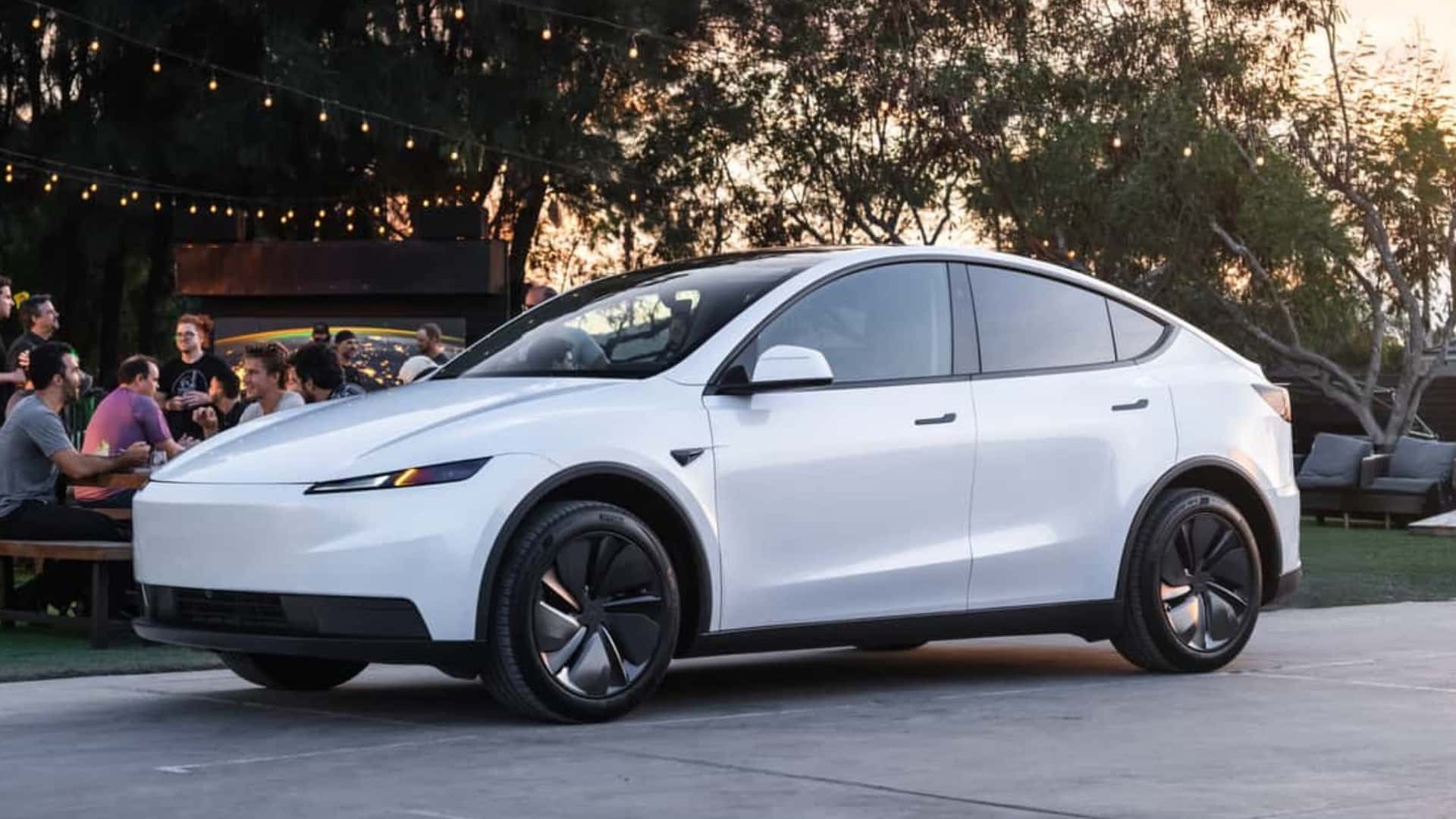
The primary catalyst for this growth is the influx of off-lease vehicles entering the secondary market. As early-adopter leases reach their natural conclusion, these vehicles are providing a more accessible entry point for cost-conscious consumers who desire the benefits of electric mobility without the premium price tag of a new model. The average listing price for a used EV in August was $37,441, a 1 percent decrease from July. However, it is noteworthy that this price is still 8.2 percent higher than it was a year ago, suggesting that demand for affordable, pre-owned electric vehicles is currently outstripping the available supply.
Tesla continues to command the used EV sector, accounting for nearly 30 percent of total sales. However, manufacturers such as Nissan and Kia are making significant inroads, reporting sales gains of 45.1 percent and 32.1 percent, respectively. This data underscores that as these models become more widely available in the pre-owned market, they are finding a receptive audience among buyers who are eager to transition away from traditional fuel sources.
Consumer Behavior and Model Preferences
The most popular models in the current market remain the stalwarts of the industry: the Tesla Model 3, the Tesla Model Y, and the Ford Mustang Mach-E. These vehicles continue to see the largest month-over-month volume increases, indicating that brand loyalty and established vehicle performance are significant factors for consumers navigating the EV transition.
Industry analysts suggest that this preference for known quantities is a natural component of a developing market. When consumers make a significant technological shift—such as moving from an internal combustion engine to a battery-electric platform—they tend to gravitate toward brands and models that have already demonstrated reliability and longevity in the public eye.
Strategic Implications for the Automotive Industry
The data presented by recent market reports highlights a broader, fundamental shift in the automotive industry. The "wait-and-see" approach that characterized the early adoption phase is giving way to a more pragmatic evaluation of utility, cost, and availability. For manufacturers, the challenge is twofold: they must continue to refine the manufacturing of new, innovative models while simultaneously managing the lifecycle of older units to support the growing secondary market.
Furthermore, the surge in hybrid popularity alongside the steady, albeit fluctuating, interest in EVs suggests that consumers are not looking for a "one-size-fits-all" solution. Rather, they are seeking a diverse range of options that accommodate different lifestyles, driving habits, and budgetary constraints. The success of the used EV market, in particular, points to a demographic that is ready to adopt electric technology but is waiting for the price point to align with their financial reality.
Broader Economic and Environmental Context
The movement toward electrification is not merely a trend; it is a response to the long-term, structural changes in the global energy and transportation sectors. Legislative frameworks, such as the Inflation Reduction Act, have played a role in shaping these market conditions, both through the creation of incentives and the imposition of requirements regarding domestic sourcing and production.
As we look toward the remainder of the year, the industry will likely continue to monitor the interplay between interest rates, inventory levels, and government policy. The volatility in fuel prices will continue to act as an accelerant for the adoption of electrified powertrains, but the speed of this adoption will ultimately be dictated by the ability of the industry to lower the barrier to entry and address the logistical concerns of potential buyers, such as charging infrastructure and range anxiety.
In conclusion, the automotive industry is in the midst of a critical adjustment period. The data from August serves as a snapshot of a market that is balancing its past dependencies with its future aspirations. For the consumer, the options are more robust than ever, particularly in the pre-owned segment, which is increasingly becoming the testing ground for mass-market electric vehicle adoption. As the industry matures, the focus will likely shift from the novelty of the electric powertrain to the tangible benefits of economic efficiency and sustainable performance, setting the stage for a new era of transportation.