Hidden molecular warning signs discovered in gut cells could predict inflammatory bowel disease flare-ups before symptoms appear

For the approximately 180,000 Australians living with inflammatory bowel disease (IBD), the clinical journey is often defined by a frustrating cycle: periods of relative stability punctuated by sudden, debilitating flare-ups. Until now, the biological mechanisms driving these unpredictable relapses in patients who appear to be in remission have remained largely opaque. However, a landmark study led by researchers at WEHI, in collaboration with the Royal Melbourne Hospital, has identified a “smoldering” molecular defect in intestinal cells that suggests the disease process may be active long before clinical symptoms manifest.
The findings, published in the journal Science, shift the current paradigm of IBD research. By focusing on human tissue rather than traditional animal models, the team has uncovered evidence that intestinal cells in patients are “primed” for abnormal cell death. This discovery challenges the long-held assumption that cell death is merely a byproduct of inflammation, suggesting instead that it may be a foundational driver of the disease itself.
The Anatomy of a Chronic Condition
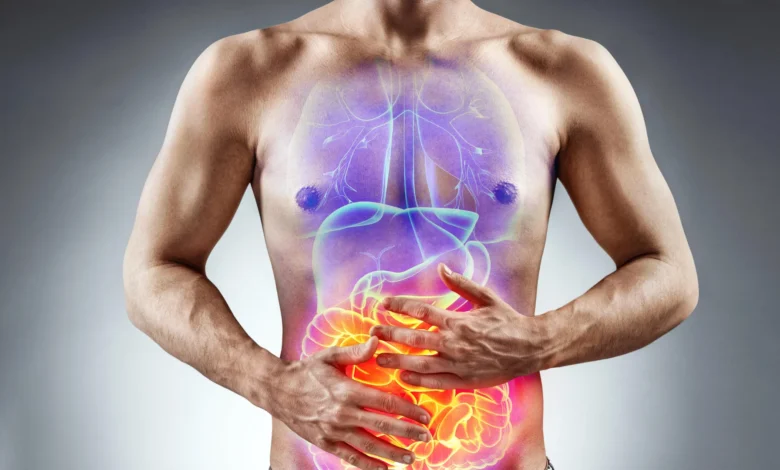
Inflammatory bowel disease, which encompasses conditions such as Crohn’s disease and ulcerative colitis, is a complex, chronic condition characterized by the inflammation of the gastrointestinal tract. Patients frequently grapple with severe symptoms including chronic abdominal pain, persistent diarrhea, rectal bleeding, significant fatigue, and unintended weight loss.
The current standard of care focuses on inducing and maintaining remission through various immunomodulatory and biologic therapies. While these treatments have revolutionized the lives of many, they are not a cure. The unpredictable nature of relapses—which can occur even when patients test negative for traditional markers of inflammation—has remained the primary obstacle in IBD management. Clinicians often find themselves in a reactive position, waiting for symptoms to reappear before adjusting treatment protocols, a delay that can lead to further damage to the intestinal lining and increased hospitalizations.
A New Methodology: From Biopsies to Organoids
The strength of the WEHI-led study lies in its reliance on human biological material. Historically, researchers have leaned heavily on murine (mouse) models to study gastrointestinal disorders. However, the gut environment of a mouse often fails to mirror the nuanced physiological complexities of the human digestive system, leading to discrepancies between preclinical findings and clinical outcomes.
To circumvent this, the research team, led by Dr. Andre Samson and Professor James Murphy, gathered approximately 900 biopsies from a cohort of 80 participants—including both healthy individuals and patients with various stages of IBD. By utilizing these samples to generate patient-derived “organoids”—three-dimensional, lab-grown tissues that mimic the architecture and function of the human gut—the scientists were able to observe the disease’s molecular behavior in a controlled environment that maintains the donor’s genetic profile.
This methodology allowed for a longitudinal analysis, as researchers tracked the patients for more than two years. The results were striking: patients who exhibited higher levels of the specific molecular signaling associated with intestinal cell death were significantly more likely to experience a clinical relapse compared to those who did not.
Chronology of the Molecular Defect
The study’s findings suggest a specific chronology in the development of IBD. The researchers identified that the “smoldering” molecular defect is present during the earliest stages of the disease, even when patients are classified as having clinically mild IBD.
- Initiation: At the molecular level, intestinal cells begin to display abnormal signaling that primes them for premature cell death.
- Latency: Even during periods of clinical remission—where a patient feels healthy and shows no outward symptoms—the molecular defect persists, acting as a "smoldering" fire beneath the surface.
- Trigger/Flare: As the cell death threshold is reached or environmental triggers interact with this vulnerability, the protective barrier of the gut is compromised, resulting in the overt clinical inflammation recognized as a flare-up.
By identifying these "first dominoes" to fall, the research team has opened a new window into the pre-symptomatic phase of the disease, providing a potential biological target for intervention long before a patient requires urgent hospital care.
Expert Perspectives and Scientific Implications
Professor James Murphy, a deputy director at WEHI and a lead on the project, emphasized the importance of this shift in perspective. “Most people have been focusing on the major clinical problem, when someone comes to hospital with severe gut inflammation,” Murphy stated. “We’ve gone to the other end of the spectrum and looked at gut tissue that doesn’t have clear signs of active disease. What we’re finding is this molecular defect happening very early in disease progression.”
The clinical implications are profound. Dr. Jiyi Pang, a co-author of the study, noted that the heterogeneity of IBD—where the disease behaves differently from person to person—has made personalized medicine difficult. "The causes of IBD are largely unknown and quite variable," Dr. Pang observed. "We now have the hallmarks of what underlies disease at the molecular level. The question is which of those are therapeutically actionable and whether they might help us to better match treatments to patients."
Dr. Aysha Al-Ani, also a co-author, provided a balanced outlook on the practical application of these findings. While the discovery does not immediately translate into a bedside diagnostic test, it establishes the groundwork for a new generation of prognostic tools. “The ethos behind IBD therapy is to reduce the frequency and severity of flares, halting disease progression and improving patients’ lives,” Al-Ani said. “More sensitive molecular detection may help us keep patients in deep remission for longer and introduce new treatments.”
Broader Impact on Global Gastroenterology
The study serves as a critical junction for global IBD research. By proving that cell death pathways are an active driver of the condition rather than a passive result of inflammation, the research invites a re-evaluation of current pharmaceutical strategies. If specific molecular signals can be identified as precursors to a relapse, pharmaceutical developers may be able to pivot toward therapies that stabilize these cells, potentially "locking" patients into a state of sustained remission.
Furthermore, the collaborative nature of the study—involving the University of Melbourne, the Royal Children’s Hospital, the Monash Institute of Pharmaceutical Sciences, and the Hudson Institute of Medical Research, among others—highlights a growing trend toward multi-institutional, multidisciplinary approaches to chronic disease. The project was bolstered by support from various bodies, including the National Health and Medical Research Council (NHMRC) of Australia, the Australian Research Council, the Colonial Foundation, and Crohn’s and Colitis Australia.
Future Directions
As the medical community digests these results, the focus will likely shift to validating these molecular markers in larger, more diverse patient populations. Establishing the reliability of these biomarkers across different age groups, ethnicities, and environmental backgrounds will be essential for developing a standardized prognostic tool.
For the patient, this research offers a tangible sense of hope. The ability to monitor disease activity at a molecular level—even when the patient feels asymptomatic—represents a potential end to the "wait-and-see" approach that has defined IBD care for decades. If clinicians can detect the molecular signals of a looming relapse months in advance, the goal of "deep remission" may move from an aspirational target to a clinical reality.
In the near term, the researchers intend to investigate whether the specific inflammatory signals identified in the organoids can be blocked or reversed. By focusing on the root molecular causes of cell vulnerability, the team hopes to pave the way for a new era of precision medicine, where treatment is tailored not just to the diagnosis of Crohn’s or colitis, but to the specific biological signature of an individual’s gut health.
This study underscores that while IBD is a formidable and complex adversary, the path to better management lies in peering closer at the microscopic, pre-symptomatic signals that dictate the long-term health of the intestinal tract. The "first dominoes" have been identified; the next phase of the challenge will be to determine how best to stop them from falling.