Hidden Sentinel: Researchers Discover Specialized Immune Hubs Within the Human Skull That Act as First Responders to Brain Pathology

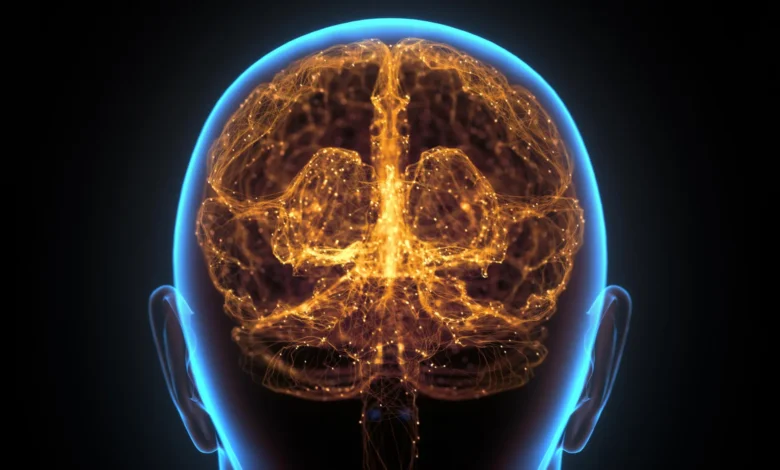
In a landmark study published in the journal Nature, a research team at the Washington University School of Medicine in St. Louis has identified previously unknown, lymph node-like immune structures nestled within the bone marrow of the skull. This discovery fundamentally challenges the long-held scientific dogma that the brain exists in a state of immunological isolation, revealing instead that the skull acts as a specialized "security station" that monitors and defends the brain against malignant threats.
For decades, the field of neuroimmunology operated under the assumption that the blood-brain barrier and the absence of a traditional lymphatic system within the brain parenchyma meant that the central nervous system was largely sequestered from the systemic immune response. This new finding serves as the latest pillar in a decade-long shift in understanding, suggesting that the brain is not merely a passive organ but an active participant in a sophisticated, localized defense network.
The Chronology of a Paradigm Shift
The journey to this discovery began with the iterative work of the laboratory of Dr. Jonathan Kipnis, the Alan A. and Edith L. Wolff Distinguished Professor of Pathology & Immunology at WashU Medicine. The timeline of this research reflects a methodical dismantling of the "immune-privileged" brain theory:
- 2015: The Kipnis lab reported the discovery of lymphatic vessels in the dura mater, the protective outer membrane of the brain. This provided the first anatomical evidence that the brain was physically connected to the body’s lymphatic system, overturning decades of textbook consensus.
- 2022: The research group identified microscopic physical channels—trans-osseous tunnels—that bridge the gap between the skull bone marrow, the dura, and the brain tissue. These channels were identified as the conduits through which cerebrospinal fluid and immune cells navigate between the cranium and the brain.
- 2024: The current study builds upon these anatomical foundations by demonstrating that the bone marrow inside the skull is not merely a site of hematopoiesis—the production of blood cells—but a highly organized lymphoid niche that acts as a staging ground for immunological activity.
Anatomy of the Skull Immune Hubs
The researchers, led by postdoctoral fellow Dr. Jang Hyun Park, utilized high-resolution imaging and protein-tracking techniques in mouse models to observe how immune signaling molecules migrate from the brain to the bone marrow. Upon reaching the skull’s interior, these proteins congregate in organized immune structures that mirror the architecture of traditional lymph nodes.
Within these hubs, T follicular helper cells interact with B cells, a hallmark of secondary lymphoid organs. This interaction is critical for the generation of high-affinity antibodies. In a healthy state, these hubs appear to serve as a rapid-response system. When the researchers monitored the movement of proteins, they observed that the skull marrow reacted to brain-specific signals significantly faster than lymph nodes located in the periphery, such as those in the neck or underarms.
"We have never seen such structures in healthy bone marrow before," noted Dr. Park. "It is an exciting discovery that points out that a complex brain requires its own specialized immune structures to defend it."
Experimental Validation in Glioblastoma Models
To test the functional significance of these hubs, the research team employed a murine model of glioblastoma—an exceptionally aggressive and often fatal form of brain cancer characterized by its ability to evade traditional immune detection.
The team utilized pharmacological agents to disrupt the integrity of the immune hubs within the skull bone marrow. The results were stark: in mice where the skull-based immune hubs were suppressed, glioblastoma tumors expanded at a significantly accelerated rate. Furthermore, the survival rates of these subjects were markedly lower compared to the control group, whose immune hubs remained intact.
Following this, the team attempted a "rescue" experiment. They developed a therapeutic gel infused with immune-boosting proteins designed to stimulate the specific B and T cell populations within the skull marrow. When applied directly beneath the scalp, the treatment prompted an immediate, localized surge in antibody production. This immune response was observed in the skull hubs well before any detectable activity in systemic lymph nodes. The treated mice exhibited a superior capacity to reject tumors and demonstrated prolonged survival, providing a proof-of-concept for localized immunotherapy.
Clinical Implications and Future Therapeutic Avenues
The potential clinical impact of these findings is vast, extending well beyond oncology. Because these immune hubs are physically adjacent to the brain, they offer a "backdoor" for modulating immune responses without the need for systemic drugs that might cause widespread side effects.
Dr. Jonathan Kipnis suggests that this localized niche could be the key to treating a variety of neurological conditions where inflammation or immune dysregulation plays a central role. "Knowing that the brain relies on first responders in the surrounding skull for defense has the potential to change how we think about developing therapies for many neurological conditions, including Alzheimer’s disease, Parkinson’s disease, schizophrenia, and long COVID," said Dr. Kipnis.
The study provides a compelling argument for a transition from systemic to localized neuro-immunotherapy. Currently, many treatments for brain diseases must be administered systemically, requiring high doses to ensure enough of the drug crosses the blood-brain barrier, which often leads to toxic side effects in the rest of the body. By targeting the skull bone marrow, clinicians might one day be able to "prime" the brain’s own defense system, effectively utilizing the body’s innate infrastructure to fight neurodegeneration or infection.
Expert Analysis: A New Frontier in Medicine
Independent experts in the field of immunology have reacted to the publication with considerable interest, noting that the presence of these structures in human skull samples—which the researchers examined to confirm the findings were not exclusive to rodents—underscores the translational potential of the work.
From a physiological perspective, this discovery suggests that the skull is an active immunological organ rather than a static skeletal structure. This realization may prompt a re-evaluation of how doctors view bone marrow biopsies, specifically those taken from the skull, and how clinical trials for neuro-inflammatory drugs are structured.
However, researchers caution that the transition to human clinical applications is in its infancy. Future studies must determine the extent to which these immune hubs vary across human populations, particularly regarding age, pre-existing comorbidities, and genetic predispositions. Furthermore, the longevity of these structures and their potential to become exhausted or "dysfunctional" in chronic, long-term neurodegenerative diseases remains an open question.
The identification of these immune hubs represents a significant milestone in our understanding of the human body’s defense systems. By narrowing the distance between the immune system and the brain, this research provides a roadmap for a new generation of targeted medical interventions. As the scientific community continues to map the interactions between the skull, the dura, and the parenchyma, the focus will likely shift toward how to safely and effectively manipulate these "security stations" to improve patient outcomes in some of the most challenging areas of medicine.
The findings also underscore the necessity of interdisciplinary research; the study necessitated a convergence of immunology, neurobiology, oncology, and bioengineering. As Dr. Kipnis and his team move toward the next phase of their research, the global medical community will be watching closely to see if this localized immune strategy can be successfully adapted for human clinical practice, potentially altering the treatment landscape for millions suffering from neurological disorders.