Global Health Leaders Extend Crucial Pandemic Treaty Negotiations Amidst Push for Equitable Access and Benefit Sharing

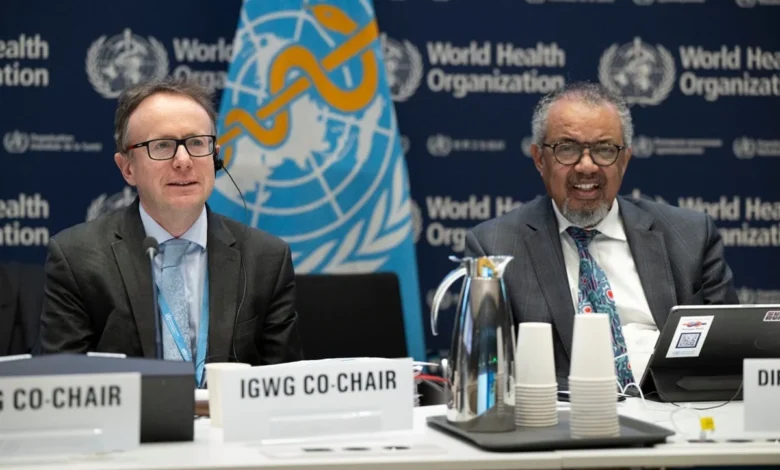
World Health Organization (WHO) Member States have agreed to extend negotiations on the Pathogen Access and Benefit Sharing (PABS) annex to the WHO Pandemic Agreement, with discussions to resume in late-April ahead of its scheduled consideration by the World Health Assembly (WHA) in May. The decision to continue negotiations from 27 April to 1 May, with informal intersessional discussions taking place in advance, reflects the commitment by WHO Member States to negotiate the PABS annex, a core component of the WHO Pandemic Agreement. The World Health Assembly adopted the Pandemic Agreement last year to address weaknesses exposed by the COVID-19 pandemic and to strengthen global cooperation and equity in future pandemic prevention, preparedness and response.
Commitment to a Stronger Pandemic Framework
The extension of negotiations signifies a collective acknowledgment by WHO Member States that achieving a robust and equitable PABS annex requires further deliberation. This critical component of the broader Pandemic Agreement aims to establish a framework for the rapid and transparent sharing of pathogens with pandemic potential, alongside the fair and equitable distribution of benefits derived from their use. These benefits encompass essential medical countermeasures such as vaccines, diagnostics, and therapeutics, ensuring that all nations can access and afford them during public health emergencies.
Dr. Tedros Adhanom Ghebreyesus, WHO Director-General, emphasized the centrality of the PABS system to the overall agreement. "The Pathogen Access and Benefit Sharing system lies at the heart of the WHO Pandemic Agreement, and I thank WHO Member States for their commitment to work to bring it to life," Dr. Tedros stated. He further urged delegations to foster an environment of trust. "I urge all delegations to believe in the power of trust – trust in one another, in our institutions, and in our shared ability to transcend differences for the common public good, for solidarity and for equity." This call underscores the diplomatic challenges and the imperative for mutual reliance among nations to forge an effective global health security architecture.
The Core of the PABS Annex: Access and Equity
The PABS annex is designed to create a two-pronged system. Firstly, it seeks to ensure the swift and unimpeded sharing of pathogens that demonstrate pandemic potential. This rapid dissemination of genetic information and biological samples is crucial for scientific research, enabling scientists worldwide to quickly understand the threat, develop diagnostic tools, and begin the process of vaccine and therapeutic development.
Secondly, and perhaps more contentiously, the annex aims to guarantee the "fair and equitable sharing of benefits arising from their use." This principle addresses the historical inequities observed during past pandemics, where access to life-saving medical products was often dictated by economic capacity, leading to significant disparities between high-income and low- and middle-income countries. The PABS annex seeks to rectify this by establishing mechanisms for benefit sharing, which could include preferential pricing, technology transfer, or direct allocation of medical countermeasures.
A Timeline of Intensive Deliberations
The current round of negotiations is the culmination of extensive work undertaken by the Intergovernmental Negotiating Body (INB) tasked with developing the Pandemic Agreement. The INB was established by the World Health Assembly in December 2021, with a mandate to draft and negotiate a new legal instrument, including the PABS annex, to strengthen pandemic preparedness and response.
- December 2021: The World Health Assembly adopts a resolution to establish the INB to draft and negotiate a new international instrument on pandemic prevention, preparedness, and response.
- 2022-2023: The INB holds multiple sessions, engaging in in-depth discussions on various aspects of the proposed agreement, including the PABS framework.
- March 2024: Member States engage in intensive negotiations under the Intergovernmental Working Group (IGWG) on the WHO Pandemic Agreement, covering critical issues related to PABS.
- April 2024 (Late): Further intersessional discussions and formal negotiation sessions are scheduled to finalize the PABS annex.
- May 2024: The PABS annex is slated for consideration by the World Health Assembly for potential adoption.
The recent intensive negotiations, which took place over the past week, saw Member States grapple with a complex web of interconnected issues. These included defining precisely how benefits derived from pathogen sharing should be determined and distributed, the nature of the contractual arrangements necessary to underpin the PABS system, and the governance structures required to ensure the system operates effectively, transparently, and in the public interest.
Navigating Complex Challenges and Seeking Consensus
The process of negotiating the PABS annex has been marked by a deep understanding of the complexities involved. Ambassador Tovar da Silva Nunes of Brazil, Co-Chair of the IGWG Bureau, highlighted the ongoing efforts. "Member State negotiators are working intensively towards having an ambitious and equitable Pathogen Access and Benefits Sharing annex ready for adoption at the World Health Assembly in May," he stated. This indicates a strong desire among many nations to see the agreement finalized and adopted within the stipulated timeframe.
However, the intensive nature of the discussions also points to significant areas of divergence. The definition of "benefits," the mechanisms for their equitable distribution, intellectual property rights related to pathogen-derived innovations, and the balance between rapid access for research and fair compensation for data and biological samples are all points requiring delicate negotiation.
Mr. Matthew Harpur of the United Kingdom of Great Britain and Northern Ireland, also a Co-Chair of the IGWG Bureau, acknowledged the progress made while recognizing the need for more time. "With less than two months until the World Health Assembly in May, I welcome the commitment shown this week by Member States towards finding consensus on outstanding areas in the Pathogen Access and Benefit Sharing system," he remarked. This sentiment was echoed by other Member States, who acknowledged the constructive engagement to date while recognizing that additional time is needed to bridge remaining differences to finalize the text and submit the outcome to the World Health Assembly.
Supporting Data and Precedents
The impetus for a robust PABS system is rooted in lessons learned from previous global health crises. During the COVID-19 pandemic, for instance, significant delays were observed in the sharing of the SARS-CoV-2 virus sequence, which, while eventually shared, highlighted the potential for bottlenecks in the early stages of a pandemic. Furthermore, the unequal distribution of vaccines and therapeutics, with many low- and middle-income countries facing prolonged periods of limited access, underscored the urgent need for mechanisms that promote global equity.
Data from the early months of the COVID-19 pandemic illustrates this disparity. While high-income countries secured the majority of initial vaccine doses, many developing nations struggled to acquire even a fraction of their population’s needs. For example, by mid-2021, while countries like Israel had vaccinated over 60% of their population, some African nations had vaccinated less than 5%. This stark reality fuels the demand for a PABS annex that actively prevents such inequities in the future.
Broader Implications and the Path Forward
The successful negotiation and adoption of the PABS annex will have far-reaching implications for global health security. A well-functioning PABS system could:
- Accelerate Research and Development: By ensuring rapid access to pathogens, the system can expedite the identification of new threats and the development of countermeasures.
- Promote Global Equity: The equitable sharing of benefits will help ensure that all countries, regardless of their economic status, have access to essential medical products during pandemics.
- Strengthen International Cooperation: The process of negotiation itself fosters dialogue and cooperation among nations, building trust and a shared commitment to global health.
- Enhance Preparedness: A predictable and equitable system for pathogen sharing and benefit distribution can incentivize countries to invest more in their own surveillance and preparedness capacities.
The commitment of Member States to continue negotiations, even with the looming deadline of the WHA, demonstrates a shared recognition of the importance of this instrument. Their reaffirmation of commitment to solidarity, multilateralism, and the shared goal of making the world safer and more equitable in the face of future pandemics provides a foundation for overcoming the remaining hurdles. The coming weeks of informal and formal discussions will be critical in shaping the final text of the PABS annex, with the world watching closely to see if a consensus can be reached that truly strengthens global defenses against the next inevitable pandemic. The outcome of these negotiations will not only shape the future of global health governance but also determine the level of trust and equity that will define humanity’s collective response to future health crises.