Rice serves as the primary caloric foundation for more than half of the human population, yet for decades, the global scientific community has remained disproportionately fixated on its carbohydrate profile. While starch accounts for approximately 85% of the grain’s mass, recent breakthroughs in analytical chemistry have begun to shift the focus toward the "hidden" components of the grain. A team of researchers at Hokkaido University has recently completed a comprehensive study published in the journal Food Research International, shedding light on the complex lipid profiles of japonica rice and their potential to combat modern lifestyle-related diseases.
The study, which examined 56 distinct cultivars of japonica rice—the short-to-medium grain variety prized for its sticky, tender texture—reveals that fats, despite representing only about 2% of the grain, serve as crucial markers for both health and grain quality. By employing cutting-edge methodologies including liquid chromatography and mass spectrometry, the researchers have cataloged 196 distinct lipid molecules, effectively providing a roadmap for future nutritional science and functional food development.
A Historical Oversight in Cereal Science
For the better part of the 20th century, agricultural research was dominated by the pursuit of yield and starch quality. As rice production scaled to meet the demands of a burgeoning global population, the lipid content was often viewed as a secondary consideration, primarily relevant only to shelf-life and potential rancidity. However, the paradigm is shifting.
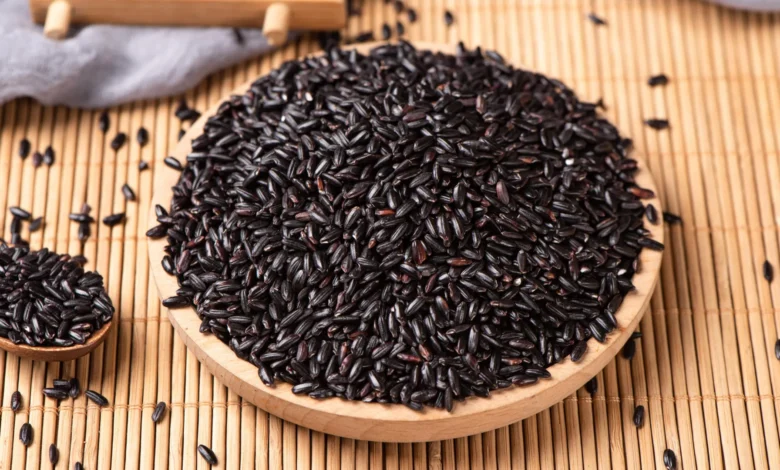
Lipids are essential to human physiology, facilitating cell membrane integrity, energy storage, and cellular signaling. In the context of rice, these fats influence not only the sensory experience—such as flavor, aroma, and mouthfeel—but also the bioavailability of nutrients. The Hokkaido University team’s decision to focus on japonica rice is particularly significant given that this variety represents roughly 15% of total global rice consumption. By analyzing a diverse spectrum of colors—brown, red, green, and black—the team moved beyond the monolithic view of "white rice" to acknowledge the biochemical diversity within the species.
Chronology of the Discovery
The research effort, which spanned several years, followed a systematic path of inquiry designed to move from molecular identification to biological application:
- Initial Collection Phase: Researchers curated 56 japonica cultivars from across the Japanese archipelago, intentionally selecting for genetic and pigment diversity.
- Analytical Mapping: Utilizing advanced chromatography and mass spectrometry, the team isolated and identified 196 individual lipid molecules, categorized into five primary chemical groups.
- Biological Simulation: To understand the metabolic impact of these lipids, the team utilized an in vitro digestive model, treating cooked rice samples with human digestive enzymes to monitor starch breakdown rates.
- Comparative Analysis: The team contrasted the glycemic response of pigmented varieties against standard white rice, identifying a clear correlation between specific lipid profiles and slower glucose release.
- Publication and Peer Review: The comprehensive findings were finalized and disseminated in Food Research International, providing a verified data set for both the agricultural and medical communities.
The Superiority of Pigmented Varieties
One of the most compelling revelations of the study is the superior health-promotion index assigned to black and green rice. While white rice is often stripped of its bran and germ—where the majority of these beneficial lipids reside—pigmented varieties retain a chemical complexity that offers tangible health advantages.
The study identified specific compounds, namely FAHMFAs (fatty acid esters of hydroxy medium-chain fatty acids) and LNAPEs (N-acyl-lysophosphatidylethanolamines), within these colored grains. The detection of FAHMFAs in rice is a scientific first, marking a significant milestone in plant metabolomics. In other biological systems, these lipids have been linked to anti-inflammatory properties and the regulation of metabolic health.
"Although lipids make up only a small proportion of rice, they are critical in determining its nutritional value," stated Associate Professor Siddabasave Gowda, lead author of the study. "They help maintain cell membrane integrity, store energy, and support essential signaling processes in the body."
Implications for Glycemic Management
Perhaps the most practical outcome of the research is the potential for managing blood sugar levels. Modern society faces a growing crisis regarding metabolic health, with type 2 diabetes affecting hundreds of millions globally. The laboratory simulations conducted at Hokkaido University suggest that the lipid profile of black and green japonica rice actively influences the speed at which starch is broken down during digestion.
In the experiment, the starch in pigmented rice was degraded more slowly than in white rice, resulting in a more gradual release of glucose into the bloodstream. This slower "glucose spike" is the gold standard for foods intended to support heart health and diabetes management. By incorporating these varieties into a daily diet, consumers may be able to utilize rice not just as a caloric source, but as a functional tool for disease prevention.
A Broader Strategy for Japan’s Bioactive Resources
This study is part of a larger, ambitious initiative by the Hokkaido University research group to catalog and leverage the untapped bioactive potential of Japanese dietary staples. Their previous work has successfully identified novel lipids in diverse sources, including marine algae, various herbal teas, and indigenous fish species.
The broader implication is a shift in how food security is defined. It is no longer enough to produce enough calories to feed the world; the focus must shift toward the "nutritional density" of those calories. As Associate Professor Gowda notes, the research group is committed to shedding light on Japan’s underexplored lipid-rich food resources, creating a bridge between traditional agricultural knowledge and modern nutritional medicine.
Future Directions for the Food Industry
The findings provide a clear blueprint for the food industry to develop "functional" rice products. As consumer awareness regarding the link between diet and chronic disease grows, there is an increasing demand for transparent nutritional labeling and "health-first" food products.
Industry analysts suggest that the next phase of this development will likely involve:
- Selective Breeding: Agriculturalists may prioritize the cultivation of varieties with higher concentrations of FAHMFAs and LNAPEs.
- Nutritional Labeling: Future rice packaging could move beyond "total fat" to include profiles of specific beneficial lipids, much like the current trend in the olive oil and nut industries.
- Clinical Trials: While the in vitro digestive models provided promising results, the next logical step for the scientific community is to conduct large-scale human clinical trials to confirm these metabolic benefits in real-world settings.
The Hokkaido University study serves as a critical reminder that we have only scratched the surface of the nutritional potential of our most common foods. By looking past the starch and into the lipid composition of grains, researchers are opening doors to new dietary interventions that are accessible, natural, and grounded in the latest scientific rigor. As the agricultural sector continues to adapt to the challenges of the 21st century, these findings may well prove to be a foundational element in the development of next-generation, health-conscious dietary staples.
Related posts: