Charles Spencer Opens Up About the ‘Monstrous’ Reality of Princess Diana’s 1997 Funeral and Praises Prince Philip’s Steady Leadership

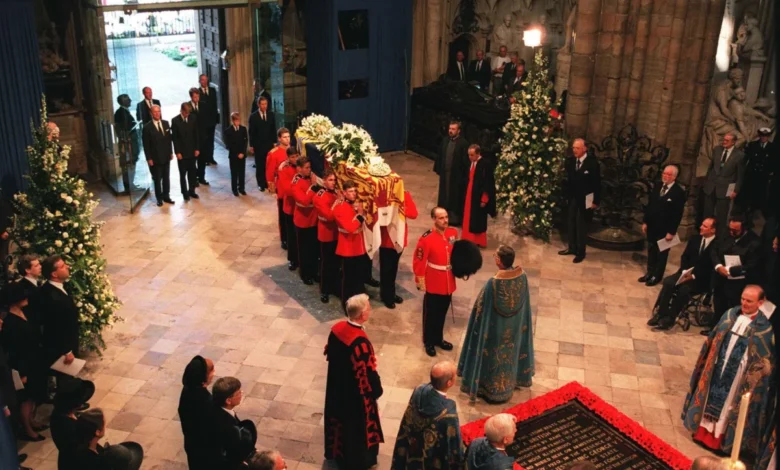
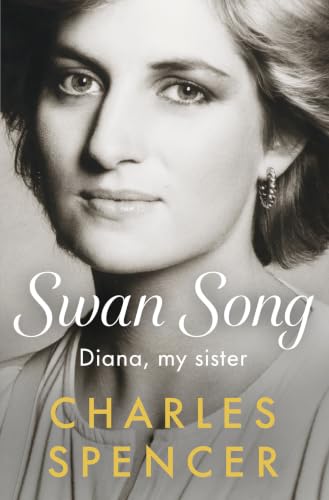
Decades after the global tragedy that shook the British monarchy and the world to its core, new behind-the-scenes revelations continue to emerge regarding the passing and subsequent funeral of Diana, Princess of Wales. In his newly released book, Swan Song: Diana, My Sister, the 9th Earl Spencer provides an unfiltered look into the most harrowing days of his life. Among the many intimate memories and controversial claims detailed in the text, Charles Spencer offers a surprising perspective on the role played by the late Duke of Edinburgh, Prince Philip, during the meticulously planned yet emotionally volatile state-style funeral held on September 6, 1997.
The memoir, which has already sparked intense public interest and institutional pushback, shines a fresh light on the friction within the royal family, the agonizing decision to have young Princes William and Harry walk behind their mother’s coffin, and the disciplined measures taken to maintain order amid an unprecedented outpouring of public grief.
Navigating a Tsunami of Grief: Inside the 1997 Funeral Procession
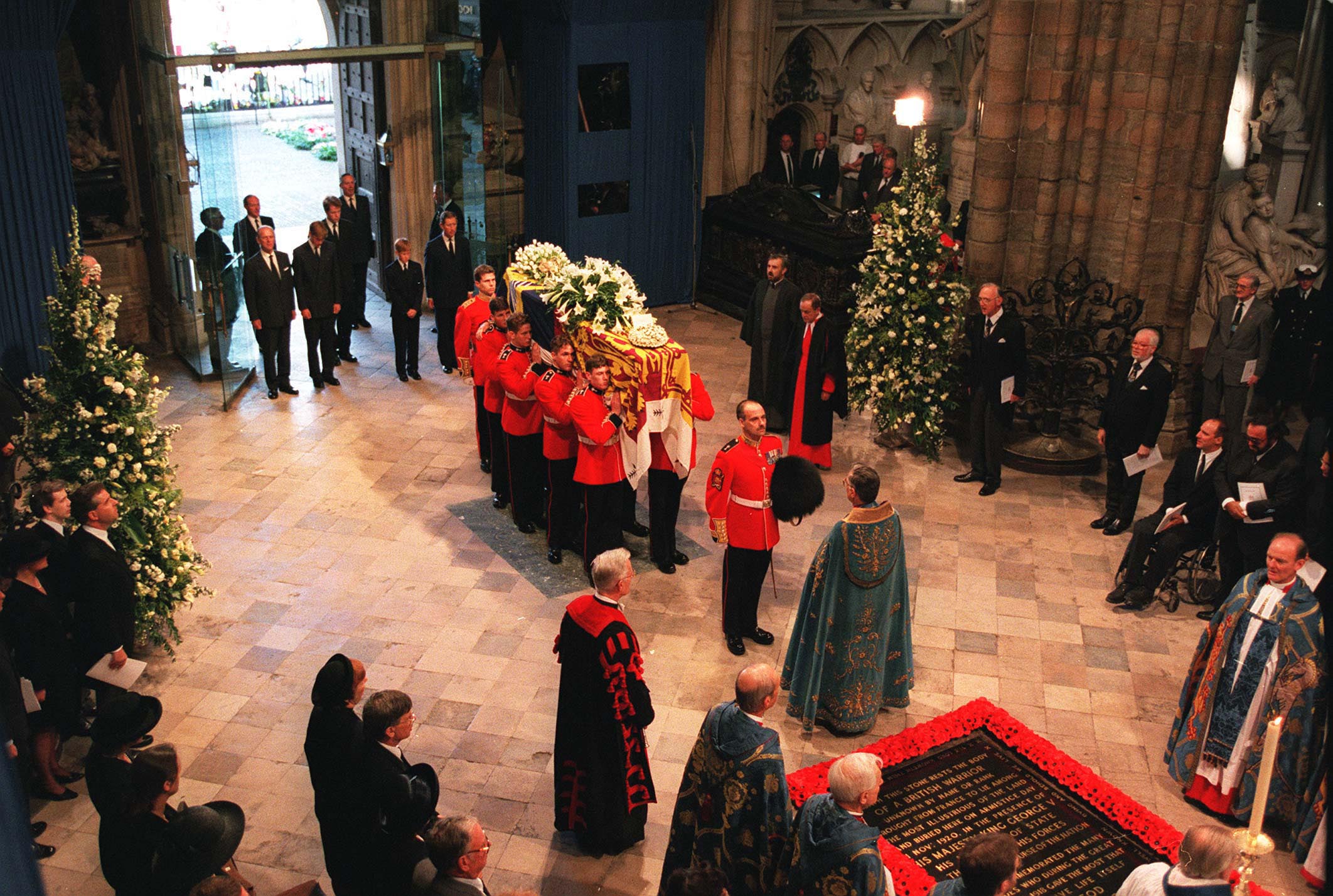
The state funeral of Princess Diana remains one of the most-watched television events in history, estimated to have drawn a global audience of over 2.5 billion people. While millions watched the solemn procession wind its way through the streets of London from the safety of their television screens, the experience for those walking directly behind the gun carriage carrying the mahogany casket was vastly different—and intensely traumatic.
In an exclusive interview with People magazine promoting his new publication, Earl Spencer recalled the surreal and emotionally crushing environment of the procession. Joining the march were the young princes—William, then 15, and Harry, then just 12—alongside their father, the then-Prince Charles, and Prince Philip.
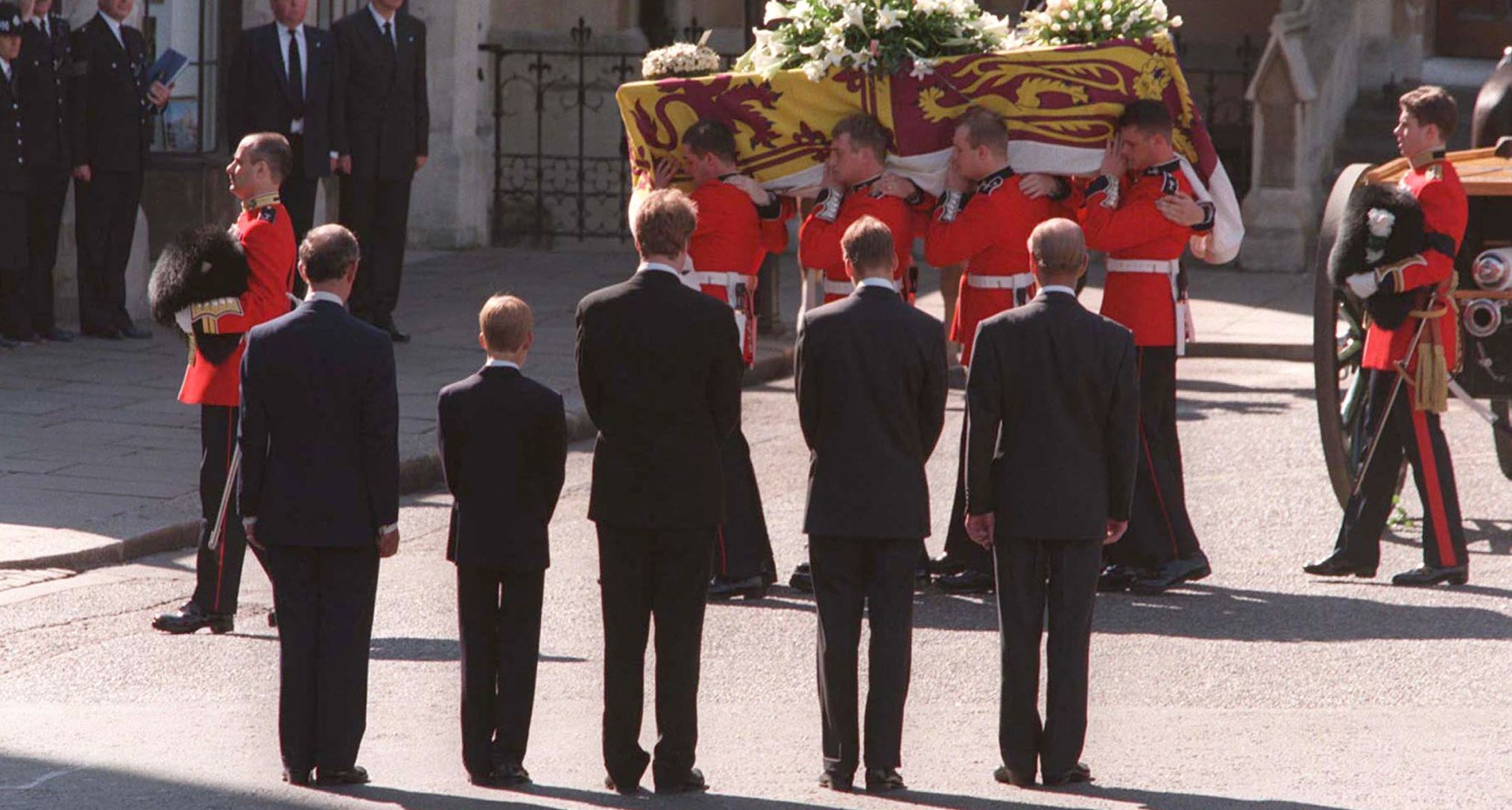
According to Spencer, Prince Philip stepped into a leadership role with a military-driven focus that ultimately helped the grieving family maintain their composure during the grueling march to Westminster Abbey. Given his background as a naval commander, Philip understood the necessity of absolute discipline in the face of immense public pressure.
"Prince Philip took charge, quite rightly," Spencer told the media outlet. "He was brilliant that day. I mean, he’s a controversial figure, but he did really well that day. He was a military man and he said, ‘Just look straight ahead. You must not look left and right.’"
However, following this rigid directive created a deeply disorienting sensory experience for the participants. Shielded from the sea of mourners by the instruction to keep their eyes forward, Spencer described being enveloped by an auditory wave of raw human emotion.
"That made for a very bizarre experience, actually, because you could feel this tsunami of grief coming in from both sides and the crowd reacting differently as we walked along," Spencer explained. He noted that it was exceptionally difficult to process that level of heartbreak without turning to look. The procession alternated between stretches of profound, echoing silence filled with the sound of collective sobbing and moments where bystanders audibly shouted out heartbreaking messages addressed directly to young William and Harry or expressing their love for the late princess.
The Battle Behind the Scenes: Protecting the Princes
The image of Prince William and Prince Harry walking behind their mother’s casket has long been scrutinized by royal historians, biographers, and the public as a symbol of institutional coldness. In the years following the tragedy, both princes have spoken openly about the lasting psychological toll the ordeal took on them. Prince Harry famously recounted in his 2023 memoir, Spare, that the experience left deep psychological scars.
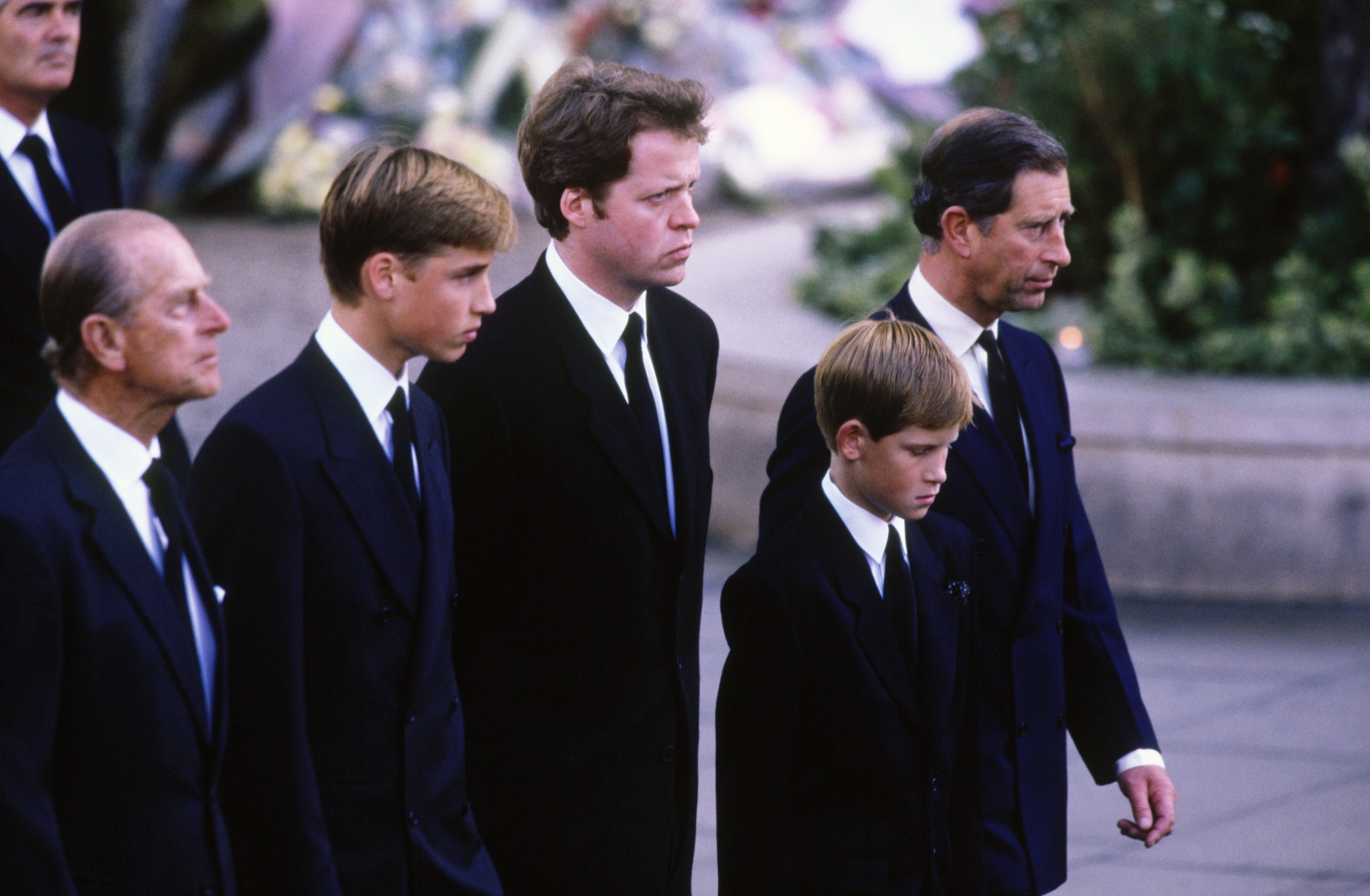
In Swan Song, Earl Spencer reveals that he fiercely opposed the idea of involving the young boys in the public procession at the time. He recounts engaging in a heated telephone argument with the then-Prince Charles over the matter. According to the book’s excerpts, tensions boiled over during the exchange, with the future monarch allegedly dismissing his brother-in-law’s concerns with a callous remark, stating, "We’ll forget her soon enough."
Spencer’s deep-seated regret regarding his inability to shield his nephews is a central emotional thread of his recent disclosures. Reflecting on the historic march decades later, he expressed enduring anguish over the optics and the emotional burden placed upon the children.
"I just remember Harry was so small, this tiny dot of a boy walking in public behind his mother’s coffin," Spencer shared in his interview. "It’s monstrous. It was awful at the time, and there was so little I could do."
Prince Harry similarly noted in his own writings that his uncle had "raised hell" behind closed doors to keep the boys out of the public spotlight during the funeral march, recognizing the disproportionate cruelty of forcing grieving children to mourn under the microscope of global media.
Buckingham Palace’s Rare Response and Institutional Rebuttal
The publication of Swan Song has not gone unnoticed by the highest levels of the British monarchy. Given the sensitive nature of the claims—particularly regarding internal family disputes, heated phone calls, and the cold calculus of royal protocol during a national crisis—Buckingham Palace broke its usual silence regarding tell-all memoirs.
In a rare and measured public rebuttal issued shortly after excerpts of the book began circulating, a spokesperson for the Crown addressed the narrative presented by the 9th Earl Spencer.
"While we do not comment on books as a matter of principle, His Majesty is mindful that the pain of fraternal grief can cloud reason, affect judgement and colour memory in ways others do not recognise, even many years after such a loss," the statement read.
The intervention underscores the delicate and enduring fault lines surrounding the legacy of Princess Diana. While decades have passed since her fatal car crash in Paris on August 31, 1997, the narrative of how her death was handled by the institution of the monarchy continues to be a subject of intense public fascination and personal pain for those who survived her.
Broader Impact and Historical Context
The release of Charles Spencer’s book contributes to a growing body of retrospective literature examining the late 1990s royal crisis. Historians and sociologists frequently point to Diana’s death and the subsequent public reaction as a watershed moment that forced the British monarchy to modernize its approach to public emotion and media management.
Before 1997, the House of Windsor operated largely under the traditional motto of the late Queen Elizabeth II: "Never explain, never complain." However, the public backlash against the perceived stoicism and detachment of the royal family in the immediate aftermath of Diana’s passing forced a rapid evolution. The sight of flags lowered to half-mast at Buckingham Palace, the impromptu sea of floral tributes outside Kensington Palace, and the unprecedented public demands for institutional accountability reshaped the relationship between the Crown and the British public.
Prince Philip’s intervention on the day of the funeral, as recalled by Spencer, highlights the dual nature of royal crisis management during that era—relying on military-grade discipline to maintain public order while simultaneously struggling to connect with the raw, populist wave of grief that defined the era.
As Swan Song: Diana, My Sister circulates globally, it offers readers a sobering reminder of the human cost behind historical pageantry. Through the eyes of her brother, the narrative moves past the glossy veneer of royal protocols to expose the fractures, regrets, and quiet acts of fortitude that defined one of the most difficult days in modern British history.