Understanding Scanxiety: The Psychological Toll of Cancer Surveillance and How Patients Cope

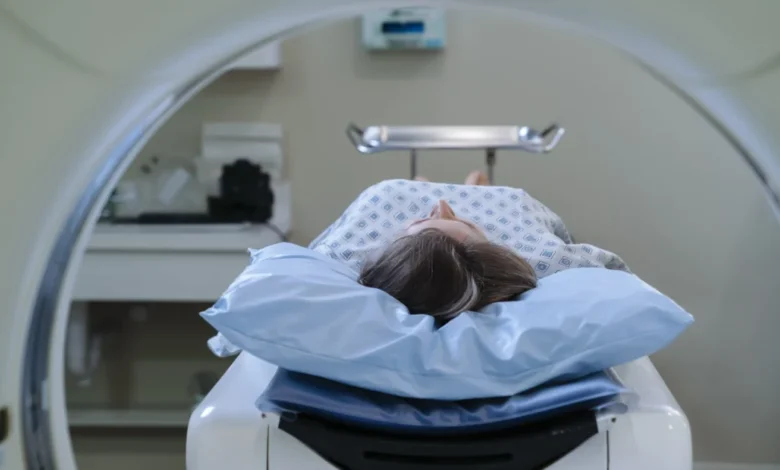
When Ali Heitz arrived at the hospital for her one-year post-diagnosis check-up, she expected a routine appointment. Having endured months of rigorous breast cancer treatments, she viewed the scheduled magnetic resonance imaging (MRI) scan as a final administrative hurdle before receiving formal confirmation of remission. Instead, upon entering the confines of the diagnostic machine, Heitz was struck by an overwhelming wave of physiological distress. The clinical environment instantly transported her back to the harrowing week of her initial diagnosis, short-circuiting the emotional healing she had worked to build over the preceding year.
The phenomenon Heitz experienced is clinically recognized as "scanxiety"—a term coined in 2011 to describe the acute psychological distress occurring before, during, and after cancer-related medical imaging. For millions of oncology patients worldwide, routine surveillance tools such as mammograms, ultrasounds, and MRIs are vital instruments for detecting recurrence or monitoring active disease. However, they also serve as potent triggers for deep-seated trauma, anxiety, and existential dread. Medical professionals and patient advocates increasingly emphasize that addressing this psychological burden is just as critical as managing the physical manifestations of the disease itself.
Defining the Phenomenon and Its Triggers
Scanxiety is not a formal psychiatric diagnosis listed in the Diagnostic and Statistical Manual of Mental Disorders (DSM-5), but it is a widely acknowledged clinical reality within psycho-oncology. According to literature published in peer-reviewed journals such as Cancers, the condition encompasses a spectrum of emotional responses—ranging from mild apprehension to debilitating panic—tied directly to diagnostic imaging appointments.
The triggers vary significantly among patients. For some individuals, the anxiety is rooted in the physical discomfort of the procedures themselves. Dr. Irene Morae Kang, medical director of women’s health medical oncology at City of Hope, notes that certain diagnostic tests impose severe physical demands. MRIs, for instance, require patients to remain completely motionless inside a narrow, confined tube for an hour or more, posing a formidable challenge for individuals experiencing even mild claustrophobia.
For others, the distress is deeply psychological. Dr. Chloe Carmichael, a clinical psychologist and author of Nervous Energy: Harness the Power of Your Anxiety, explains that routine checks often force patients to confront painful memories. A preventative scan can dredge up difficult recollections of family members who battled the disease, or remind a survivor of the grueling therapies they endured. Furthermore, the inherent paradox of surveillance imaging creates a constant psychological undercurrent: the very purpose of the test is to investigate whether a recurrence has occurred, meaning the patient is inherently searching for evidence of a potential threat.
The Chronology of Surveillance and the Survivor’s Dilemma
The timeline of scanxiety often follows a predictable yet agonizing trajectory. For newly diagnosed patients entering active treatment, scans are frequent and serve to measure tumor response. For survivors in remission, the frequency typically decreases over time—transitioning from every few months to annual intervals. Yet, the anticipation leading up to these dates often generates a multi-week buildup characterized by insomnia, irritability, and intrusive thoughts.
Sheree Santos, a two-time breast cancer survivor and patient at City of Hope, describes how physiological symptoms accompany her psychological anticipation. Beyond the physical discomfort of the procedures, Santos experiences elevated blood pressure and "white coat syndrome"—anxiety triggered by proximity to medical environments.
For survivors of advanced or stage four breast cancer, this cycle is particularly relentless. Because the risk of disease progression or recurrence remains high, these patients may require scans every three months. Dr. Kang points out that the stakes are exceptionally high for this demographic, as every quarterly imaging session carries the potential weight of discovering that current therapies are failing.
This ongoing exposure to uncertainty can profoundly damage a patient’s relationship with their own body. Heitz notes that the emotional trauma leaves many survivors feeling betrayed by their physical selves, struggling to cultivate trust that their bodies will successfully keep the disease at bay in the long term.
Clinical Perspectives and Institutional Implications
As the medical community increasingly prioritizes holistic oncology care, healthcare providers are recognizing that ignoring scanxiety can negatively impact patient outcomes. Chronic, unmanaged stress can lead to treatment fatigue, non-compliance with follow-up schedules, and diminished quality of life. Consequently, oncologists and psycho-oncologists are advocating for systematic changes within clinical settings to mitigate patient distress.
Dr. Kang emphasizes the importance of open communication between patients and their care teams. Healthcare providers are uniquely positioned to offer pre-scan support, whether by clarifying ambiguous timelines, providing rapid result reporting, or connecting patients with mental health resources. Because patient preferences vary—some individuals desire immediate access to raw imaging data, while others prefer waiting for a physician to provide context—tailoring communication strategies is essential to reducing uncertainty.
Moreover, institutional adaptations, such as creating more calming, less clinical imaging environments and integrating mindfulness-based supportive care programs, are gaining traction in comprehensive cancer centers. Treating the patient’s holistic experience, rather than solely targeting the pathology of the disease, is becoming a recognized standard of comprehensive cancer care.
Evidence-Based Strategies for Managing Scanxiety
While institutional changes are vital, patients frequently require practical, actionable tools to navigate the acute phases of scanxiety independently. Mental health experts and experienced survivors recommend several evidence-based coping mechanisms:
-
Identifying the Root Cause
Dr. Carmichael advises patients to introspect and identify the specific driver of their anxiety. Distinguishing between situational discomfort—such as claustrophobia within an MRI machine—and deeper existential fears regarding recurrence allows patients to target their coping strategies more effectively, whether through relaxation techniques or professional psychotherapy. -
Establishing Positive Diversions
Healthy distractions can redirect cognitive focus away from impending test results. Experts recommend scheduling engaging activities leading up to and immediately following an appointment. Patients often find solace in physical movement, such as yoga, Pilates, or dancing, as well as social outings with friends and family. Santos emphasizes the importance of maintaining normal routines, noting that staying busy with work and social engagements prevents the mind from dwelling on the unknown. -
Practicing Mindfulness and Breathwork
Mind-body techniques have a well-documented history of reducing stress in oncology populations. Practices such as guided meditation, progressive muscle relaxation, and intentional breathwork help patients process acute emotional distress rather than suppressing it. Heitz notes that allowing herself to sit authentically with difficult emotions—such as permitting herself to cry rather than compartmentalizing her fear—has been instrumental in her emotional recovery. -
Utilizing Thought Replacement
Cognitive-reframing techniques can counteract destructive internal monologues. Dr. Carmichael suggests substituting catastrophic thoughts with structured scripts. For patients in remission, repeating affirmations such as "I am strong, I am healthy, and this scan is merely to confirm that things are as they should be" helps quiet maladaptive anxiety. For those currently undergoing active treatment, focusing on safety—such as reminding oneself of being in the right place to receive expert care—can provide psychological stabilization. -
Cultivating Social and Professional Support
Navigating the aftermath of cancer is rarely successful in isolation. Sociological and psychological research consistently demonstrates that strong social networks buffer against chronic stress. Leaning on family members, seeking out peer support groups, and engaging with professional counselors provide vital validation for the emotional trauma associated with long-term monitoring.
Broader Impact and Future Outlook
Ultimately, while the emotional toll of cancer surveillance is profound, medical professionals stress that the utility of these screenings remains indisputable. Early detection continues to be one of the most powerful determinants of survival in oncology. Santos underscores this reality, noting that her own cancer was successfully detected at an early stage precisely because she adhered to routine screening recommendations.
As awareness surrounding scanxiety grows, the medical establishment is slowly shifting toward a model of care that validates the psychological aftermath of diagnosis just as vigorously as its physical treatments. For survivors like Heitz, navigating the emotional roller-coaster of annual scans ultimately reinforces a resilient perspective on life—serving as a poignant reminder to embrace the present moment and refuse to let the fear of recurrence overshadow the reality of remission.