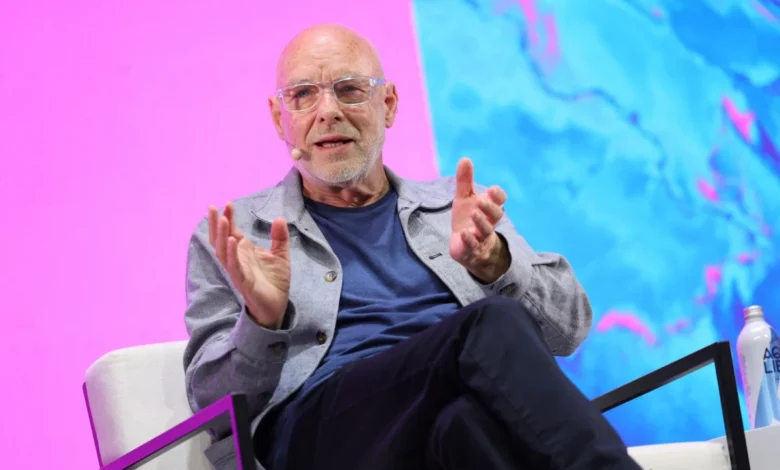
Brian Eno, Gary Lineker, and Richard Curtis are among a prominent group of 120 millionaires in the United Kingdom who have collectively signed an open letter to Prime Minister Andy Burnham, urging him to implement higher taxes on their wealth. The appeal, spearheaded by the organisation Patriotic Millionaires, comes in the wake of Mr. Burnham’s assumption of leadership at 10 Downing Street following the unexpected resignation of Keir Starmer earlier this week.
The signatories articulate a clear and unified message: they can afford to contribute more to the nation’s prosperity, and they believe this increased contribution should be levied not on the everyday income of working individuals, but on the accumulated wealth of the most affluent. This stance challenges conventional political discourse, where tax increases are often met with public apprehension, particularly when framed as burdens on the general populace.
"We can afford it," the letter emphatically states. "We’re not talking about higher taxes on those who get up and go to work for their income every day, but on the very richest whose income is derived from the wealth they hold." This distinction is crucial, aiming to preemptively address concerns that such a tax would disproportionately affect those with modest incomes or those actively engaged in the workforce.
The collective represents a significant convergence of influential figures from the arts, sports, business, and media sectors. Beyond the widely recognized names of musician Brian Eno, presenter and former footballer Gary Lineker, and acclaimed film director Richard Curtis, the list of signatories includes journalist Sasha Bates. The breadth of expertise and public profile among these individuals lends considerable weight to their appeal.
Further bolstering the group’s influence are notable figures such as Ian Gregg, the former chairman of the popular bakery chain Greggs; economist Gary Stevenson, known for his outspoken critiques of economic inequality; Mike Barnes, CEO of Signet Jewellers Ltd; television director Robert Beal; former footballer Georgios Samaras; and respected authors Val McDermid and Michael Berners-Lee. This diverse assembly underscores a shared sentiment that transcends professional boundaries, uniting them in a common cause for economic reform.
The Rationale Behind the Appeal
The core of the Patriotic Millionaires’ argument rests on the premise that their wealth represents "untouched capital investment" that can be strategically deployed for the nation’s benefit. The letter states, "millionaires are a patriotic bunch" who "love this country and we want it to succeed." This assertion frames their request not as an imposition, but as a proactive measure rooted in national pride and a desire for collective progress.
"But success requires investment and a primary source of untouched capital investment is sitting with us, in untaxed potential," the letter continues. This highlights a perceived untapped resource within the UK’s economy, suggesting that current tax structures may be underutilizing the potential for wealth generation and its subsequent reinvestment. The signatories believe that a more equitable distribution of this wealth, facilitated by targeted taxation, would foster a "more balanced and equal society."
The signatories express a frustration with what they perceive as outdated economic ideologies and an unwillingness among some to contribute to the greater good. The letter pointedly criticizes: "There are a few people left with outdated economic thinking and few others desperate to hold onto every penny they can. Those that can’t see past the end of their own self interest have no place in designing a Britain for the future." This sentiment suggests a belief that resistance to increased taxation on the wealthy stems from a narrow, self-serving perspective that is detrimental to the long-term vision for the United Kingdom.
A Vision for "Devolution of Wealth and Power"
The Patriotic Millionaires advocate for a significant shift in the economic landscape, proposing a "new kind of devolution of wealth and power, from the very richest in order to reinvest back into our greatest asset in every region." This vision implies a desire to move beyond a centralized model of wealth distribution and instead empower local communities and national infrastructure through targeted investment. The implication is that such a reinvestment would not only address immediate societal needs but also foster sustainable economic growth across all regions of the UK.
Gary Lineker, a prominent voice within the group, articulated his support with a passionate endorsement: "Our fantastic country deserves all of us to get behind it. I’m proud to stand with people across the UK who want to live in a more equal society. Paying your fair share is a basic British value, but so many ordinary people are already paying more than they can afford. Our richest people can do more and most want to. To live up to our national values our new government must raise taxes on extreme levels of wealth for a fairer, better, more hopeful Britain." His statement directly connects the call for higher taxes to fundamental British values of fairness and shared responsibility, while also highlighting the perceived inequity of the current tax burden on ordinary citizens.
The Proposed Tax Mechanism
The group specifically supports the implementation of a two per cent tax on individuals with a net worth exceeding £10 million. This proposed tax rate and threshold have been the subject of discussion and advocacy in previous years, indicating a sustained effort by various groups to influence fiscal policy. Such proposals often face intense scrutiny regarding their economic impact, potential for capital flight, and administrative feasibility.
The Political Landscape and Prime Minister Burnham’s Stance
The timing of this appeal is significant, coinciding with Andy Burnham’s recent ascent to the premiership. Mr. Burnham, who has expressed a keen interest in economic fairness and has a well-documented appreciation for the arts and culture, has not dismissed the idea of a wealth tax outright. In recent public statements, he has indicated a willingness to "ask for a little more" tax during his tenure, suggesting an openness to exploring various revenue-generating measures.
Burnham’s premiership has already seen several policy announcements aimed at easing financial burdens on citizens and supporting key sectors. These include plans to cut VAT on household electricity bills from October and introduce a £2 cap on bus journeys across England (outside of London) from January 2027. Furthermore, in a move that directly benefits the creative industries, he confirmed an upcoming 20% cut in business rates for music venues, clubs, and pubs in England, to be funded by a review of tax reliefs for companies such as vape shops. This initiative signals a commitment to supporting the cultural landscape, a sector with which many of the signatories, including Brian Eno and Richard Curtis, are intimately connected.
The government has also unveiled a new "Music Plan," designed to bolster its growth package by an additional £15 million, bringing the total to £45 million. This plan aims to benefit over 40,000 artists and businesses, 2,000 projects, and millions of children over three years, with a stated goal of facilitating greater access to the music industry for individuals from working-class backgrounds. Mr. Burnham’s known passion for music, evidenced by his vocal support for a £1 ticket levy on arena-level gigs to support grassroots venues, further suggests a potential receptiveness to the Patriotic Millionaires’ appeal.
Economic Context and Potential Implications
The call for a wealth tax is situated within a broader global conversation about rising income and wealth inequality. Data from various economic think tanks consistently highlight the increasing concentration of wealth among the top percentile of earners and asset holders in many developed nations. For instance, reports from organisations like the World Inequality Lab have documented the widening gap between the richest and the rest, fueling debates about the sustainability of current economic models and the role of taxation in mitigating such trends.
The implementation of a wealth tax, even at a modest rate of 2%, could generate substantial revenue. While precise figures would depend on the valuation of assets and the effectiveness of collection mechanisms, projections often suggest billions of pounds could be raised annually. This revenue could then be directed towards public services, infrastructure projects, or initiatives aimed at reducing poverty and promoting social mobility, aligning with the stated goals of the Patriotic Millionaires.
However, the economic implications of a wealth tax are complex and subject to debate. Critics often raise concerns about potential capital flight, where wealthy individuals might move their assets or residency to jurisdictions with lower tax rates. There are also challenges associated with accurately valuing diverse and often illiquid assets, as well as the potential for legal challenges and avoidance strategies. The administrative costs of implementing and enforcing such a tax are also a consideration.
The success of a wealth tax would likely hinge on its design, including the specific threshold, rate, and exemptions, as well as international cooperation to prevent tax evasion. The experience of other countries that have implemented or considered wealth taxes, such as France, Sweden, and more recently, the Netherlands, offers valuable lessons regarding both potential benefits and drawbacks.
The Patriotic Millionaires’ initiative represents a significant moment, not just for its composition of high-profile individuals, but for its direct challenge to traditional assumptions about wealth and taxation. As Prime Minister Burnham navigates the complexities of his new role and the pressing economic challenges facing the UK, the persistent and articulate appeal from this influential group of millionaires is likely to remain a prominent factor in the ongoing debate about fiscal policy and the future of wealth distribution in the nation. Their willingness to advocate for higher taxes on themselves signals a desire for a more equitable and prosperous Britain, and their actions may well influence the government’s approach to taxation and economic reform in the years to come.