Beyond the Perseids: A Comprehensive Guide to Summer’s Seven Meteor Showers and Optimal Skywatching Strategies

While the illustrious Perseids typically claim the spotlight as summer’s most anticipated celestial event, the Northern Hemisphere’s late summer skies offer a continuous parade of lesser-known yet equally fascinating meteor showers. From mid-July through late August, Earth navigates through various streams of cosmic debris left behind by comets and asteroids, igniting a series of luminous streaks across the night sky. Though many of these accompanying showers may not boast the dazzling hourly rates of their more famous counterpart, they collectively present a diverse spectacle of differing colors, speeds, and trajectories, providing patient observers with unique opportunities for skywatching, especially in years with favorable lunar conditions.
The Science of Celestial Dust: Understanding Meteor Showers
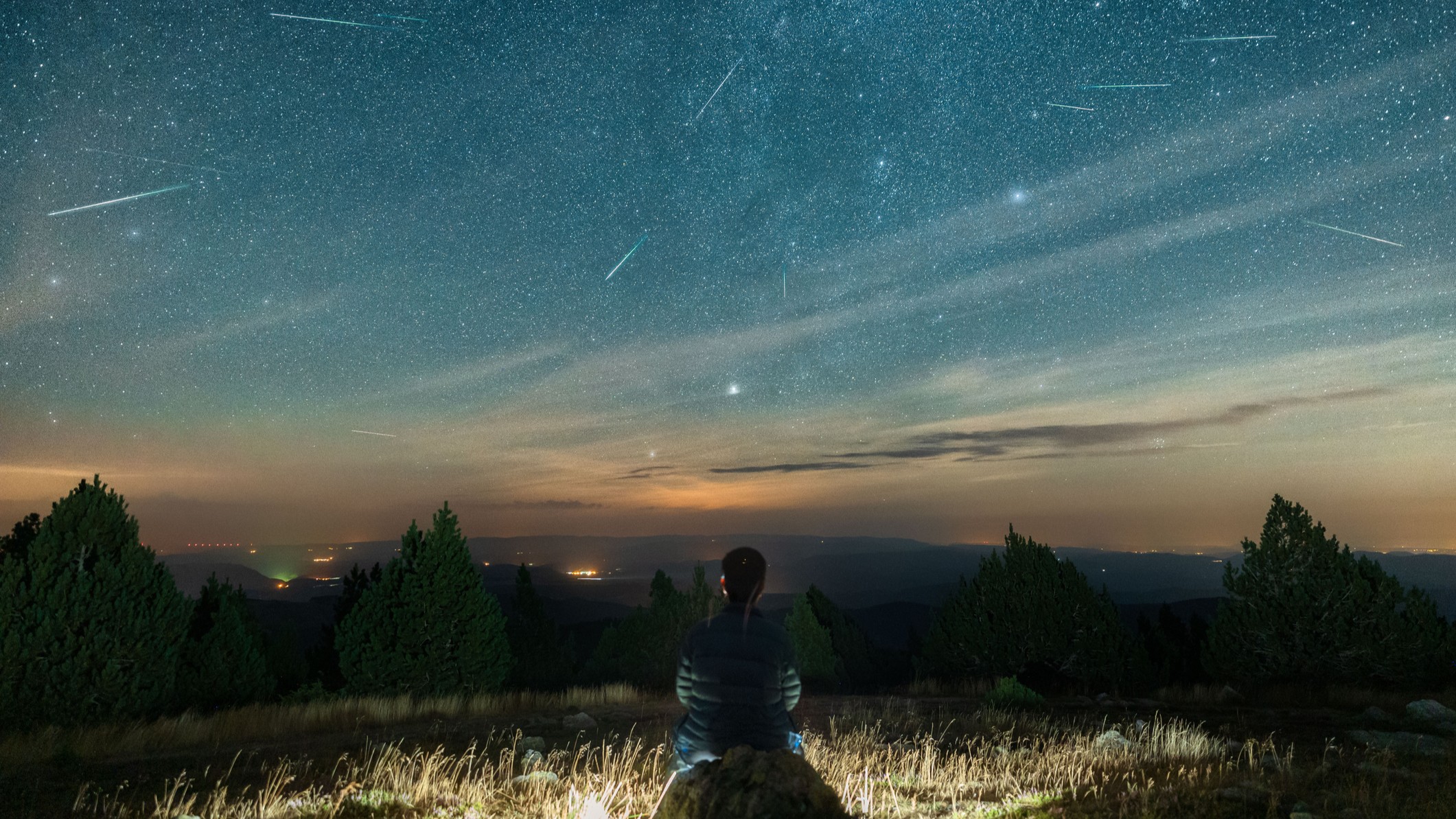
Meteor showers occur when Earth passes through trails of cosmic dust and debris shed by comets or, less frequently, asteroids. As these celestial bodies orbit the Sun, they leave behind a dusty path. When Earth’s orbit intersects with such a trail, these tiny particles – ranging from grains of sand to pebble-sized fragments – enter our atmosphere at incredibly high speeds, typically tens of kilometers per second. Friction with atmospheric gases causes them to heat up rapidly, ionize the air around them, and burn brightly, creating the luminous streaks we call meteors or "shooting stars." If a meteor is particularly bright, it’s known as a fireball. Should any fragment survive its fiery descent and reach Earth’s surface, it is then classified as a meteorite.
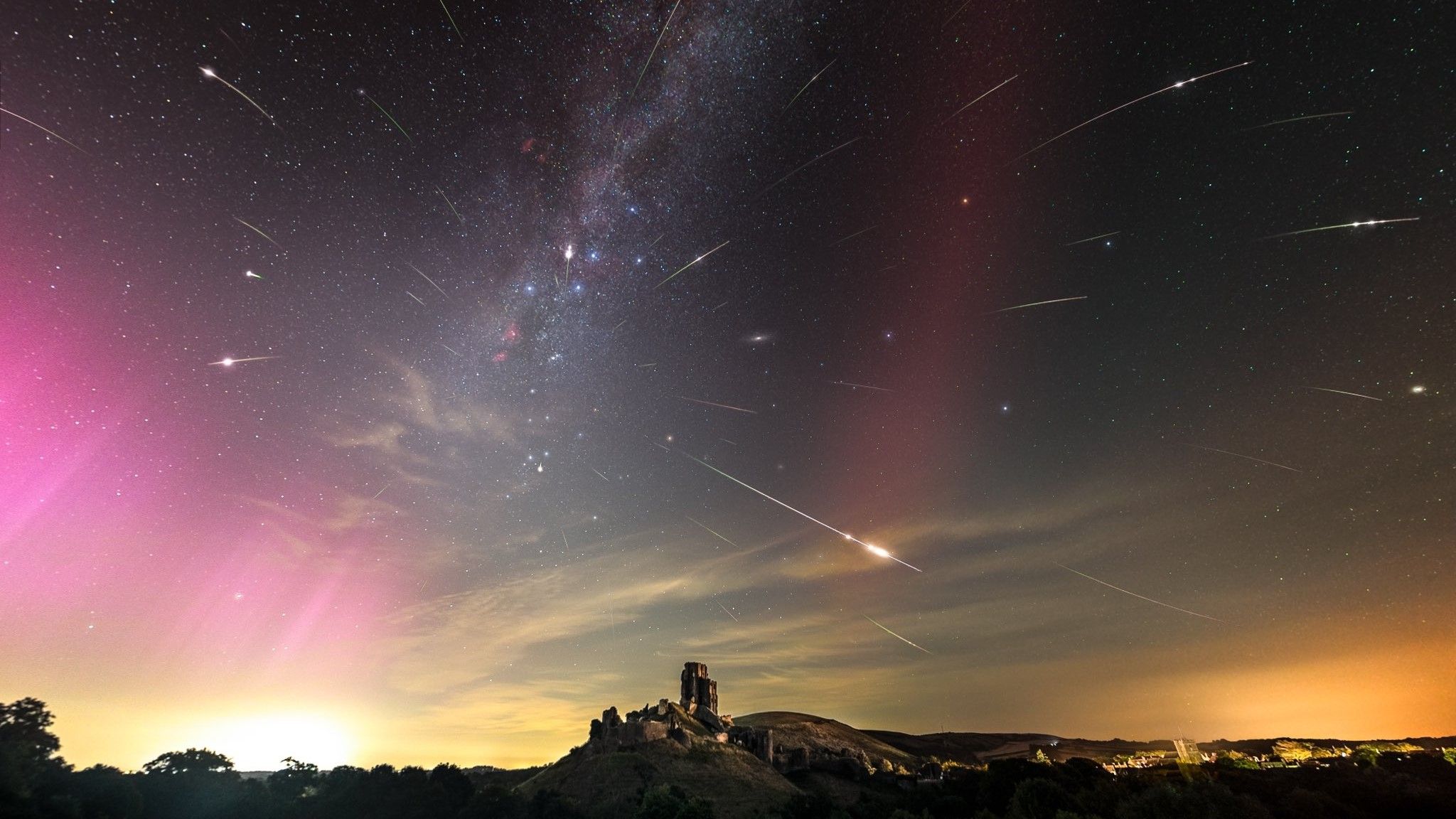
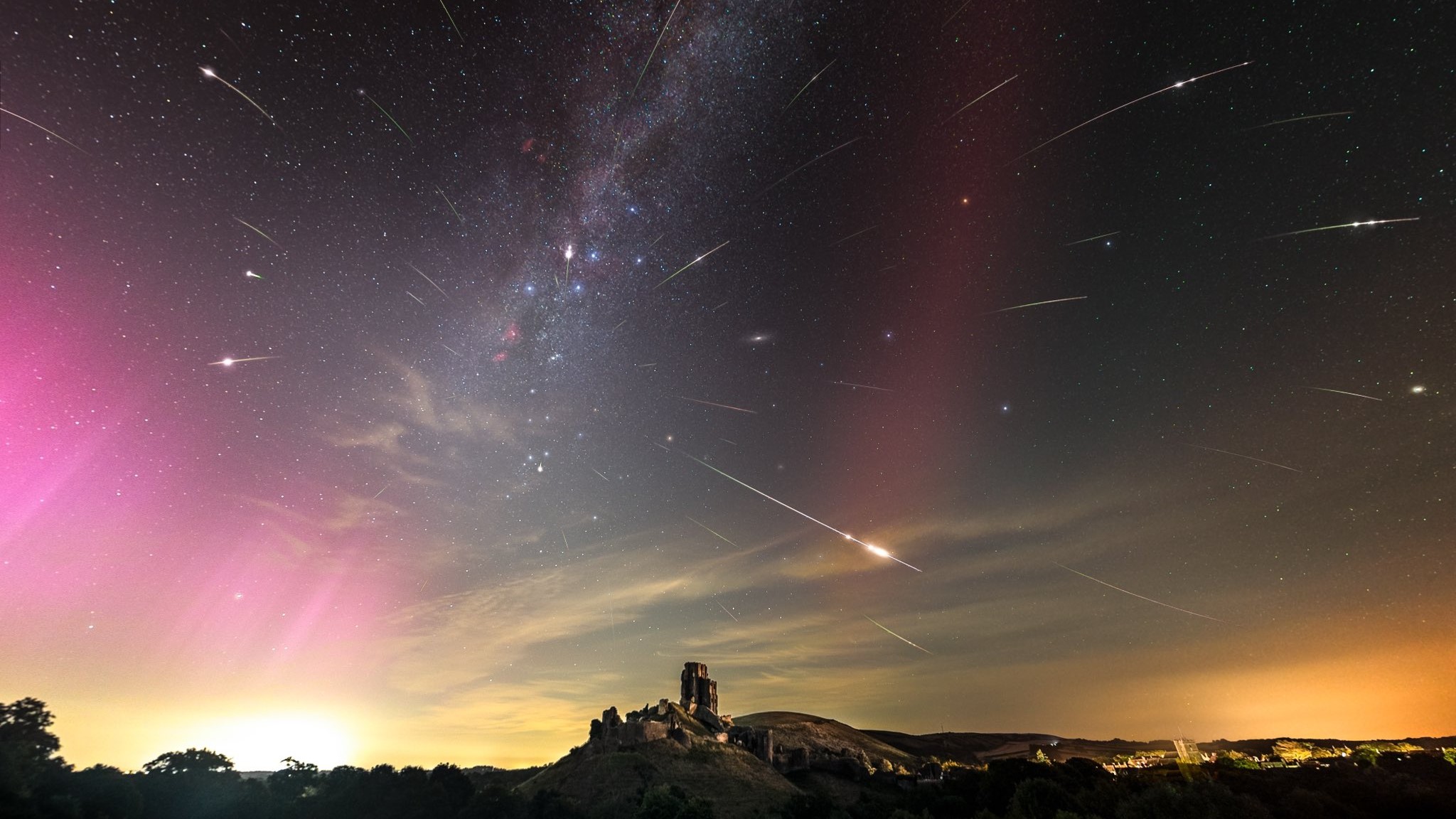
The appearance of a meteor shower is characterized by its "radiant," an optical illusion where all meteors from a particular shower appear to originate from a single point in the sky, named after the constellation in which this point lies. This is analogous to driving into a snowstorm where snowflakes seem to emanate from a single point ahead. However, looking directly at the radiant is not ideal for observation; meteors appearing further from the radiant will have longer, more dramatic trails. The Zenithal Hourly Rate (ZHR) is a theoretical measure of a shower’s intensity, representing the number of meteors an observer would see per hour under perfect dark-sky conditions with the radiant directly overhead. Actual observed rates are almost always lower due to factors like light pollution, moonlight, and the radiant’s altitude.
A Chronological Guide to Summer’s Meteor Showers in 2026
The 2026 summer season presents a varied observing landscape. While the Perseids are set for excellent viewing conditions with minimal lunar interference, several other showers will contend with a bright moon during their peaks. Nevertheless, their extended activity periods offer windows for observation when the moon is less prominent.
1. The Capricornids
- Duration: July 10 – August 15
- Peak: July 25
- Characteristics: The Capricornids are the first of the summer’s minor showers, known for producing a modest number of bright, slow-moving meteors, often with a yellowish hue. With a ZHR of only a few per hour, they require significant patience. Their exact parent body remains a subject of ongoing research, though some theories suggest a connection to a long-period comet or a diffuse stream of ancient debris.
- Radiant: Located in the constellation Capricornus, the radiant reaches its highest point, about 30 degrees above the southern horizon, around 2:00 a.m. local daylight time.
- 2026 Moon Conditions: On the peak night, a waxing gibbous moon will have set around 1:40 a.m., leaving a brief window of dark skies for prospective meteor watchers before dawn. Due to their low rate, plotting meteor trails on a star map to trace them back to the radiant is often the best way to confirm their association with this shower.
2. The Southern Delta Aquarids
- Duration: July 12 – August 23
- Peak: July 29
- Characteristics: July’s most prolific minor shower, the Southern Delta Aquarids (SDA), typically offer a ZHR of 20-25 meteors per hour under ideal conditions. These meteors are predominantly faint and move at medium-slow speeds, often appearing to "drift" across the sky. About 5-10% of them leave persistent trains, glowing trails that linger for a few seconds after the meteor has vanished. The shower is notable for having a diffuse, double radiant, suggesting multiple streams of debris. The primary parent body is believed to be Comet 96P/Machholz, a short-period comet with an unusual orbit.
- Radiant: The radiant is located in the constellation Aquarius, reaching approximately 40 degrees above the southern horizon around 3:30 a.m.
- 2026 Moon Conditions: Unfortunately, the peak of the Southern Delta Aquarids in 2026 coincides almost precisely with the full moon on July 29. This bright moonlight will significantly hinder observations, washing out all but the brightest meteors. Observers might find better luck in the days leading up to or following the peak when the moon is less full, or by focusing on darker periods of the night if the moon sets earlier.
3. The Piscis Australids
- Duration: July 10 – August 10
- Peak: July 30
- Characteristics: Another weak shower, the Piscis Australids exhibit a very low ZHR, around 5-8 meteors per hour even under optimal viewing. These meteors are generally faint and move at medium speeds. Their parent body is currently unconfirmed, though some speculate a possible link to Comet 96P/Machholz or a related fragment stream due to orbital similarities with the Delta Aquarids.
- Radiant: For Northern Hemisphere observers, the radiant is low in the southern sky, near the bright star Fomalhaut in the constellation Piscis Austrinus. It climbs higher for observers in the Southern Hemisphere, where the shower is more easily observed.
- 2026 Moon Conditions: Similar to the Delta Aquarids, the Piscis Australids peak just one day after the full moon in 2026, rendering most observations extremely challenging due to overwhelming lunar glare.
4. The Alpha Capricornids
- Duration: July 7 – August 15
- Peak: July 31
- Characteristics: Despite a low ZHR of around 5 meteors per hour, the Alpha Capricornids are renowned for their propensity to produce brilliant, yellow-orange fireballs. These slow-moving meteors are often quite spectacular and can be seen even from light-polluted areas if bright enough. The parent body of this shower is Comet 169P/NEAT, a relatively newly discovered periodic comet.
- Radiant: The radiant is located in the constellation Capricornus, reaching its highest point, about 30 degrees above the southern horizon, around 1:00 a.m. local daylight time.
- 2026 Moon Conditions: On its peak night, the Alpha Capricornids will suffer significant interference from a bright, 93% illuminated moon. The moon’s position in eastern Capricornus will further impede viewing, dimming all but the most luminous fireballs. Observing a few nights before or after the peak, when the moon is less full, might yield better results for catching one of their signature fireballs.
5. The Iota Aquarids
- Duration: July 15 – August 25
- Peak: August 6
- Characteristics: The Iota Aquarids are another minor shower preceding the Perseids, with a ZHR of approximately 6 meteors per hour under good conditions. Like the Delta Aquarids, they exhibit a two-radiant structure, indicative of a complex or fragmented debris stream. These meteors are typically faint and move at medium speeds. Their exact parent body is still under investigation, but their orbital characteristics suggest a potential relation to the 96P/Machholz complex.
- Radiant: The radiants are located in the constellation Aquarius, reaching their highest point, about 40 degrees in the south, around 2:30 a.m.
- 2026 Moon Conditions: On the peak night in 2026, a last quarter moon will be about one-third up in the eastern sky at the time the radiants are highest. While not as disruptive as a full moon, its presence will still interfere with the visibility of fainter meteors.
6. The Perseids
- Duration: July 17 – August 24
- Peak: August 13
- Characteristics: The undisputed king of summer meteor showers, the Perseids are derived from the debris stream of Comet 109P/Swift-Tuttle. This shower is famous for its high ZHR, which can average over 50 meteors per hour and has occasionally doubled this rate. Perseids are known for their fast-moving meteors, often leaving long, persistent trains. Many flaring meteors and fireballs are also observed, making it a truly spectacular event.
- Radiant: The radiant is located near the Perseid-Cassiopeia border, not far from the famous Double Cluster in Perseus. It rises at dusk and reaches its highest point, nearly overhead, around 5:40 a.m.
- 2026 Moon Conditions: The 2026 Perseid peak is highly favorable for observation. The new moon occurs on August 12, just one day before the peak, ensuring a dark, moonless sky during the shower’s maximum activity. This minimal lunar interference makes 2026 an excellent year to witness the Perseids in their full glory.
7. The Kappa Cygnids
- Duration: August 3 – August 25
- Peak: August 17
- Characteristics: The final summer shower, the Kappa Cygnids, offers a modest ZHR of about 3-4 meteors per hour. However, it is particularly noted for producing slow-moving, flaring fireballs, which can be quite rewarding for patient observers. The parent body for this shower is currently uncertain, though it is thought to be a stream from a long-period comet.
- Radiant: The radiant is just north of the star Kappa Cygni in the constellation Cygnus. It is nearly overhead, some 80 degrees high, around 10:00 p.m. local time.
- 2026 Moon Conditions: On the peak night, a waxing crescent moon will be low in the southwest and setting around the time the radiant is highest, offering very little interference. This makes the Kappa Cygnids a surprisingly good target for those seeking bright meteors in late summer.
Maximizing Your Meteor Shower Experience: Optimal Skywatching Strategies
Observing meteor showers is one of astronomy’s most accessible pastimes, requiring no specialized equipment beyond your own eyes and a modest amount of patience. However, strategic planning can significantly enhance your viewing success.
Location, Location, Location: The single most critical factor for meteor watching is escaping light pollution. Seek out the darkest skies possible, far from city lights. Locations rated 1 or 2 on the Bortle Dark-Sky Scale offer the best conditions, revealing fainter meteors that would otherwise be invisible. National parks, remote rural areas, and designated dark sky preserves are ideal.
Timing is Everything: While meteor showers have extended activity periods, focusing on the peak night is crucial for seeing the most meteors. For most showers, the best viewing window is after midnight, as your location on Earth rotates into the leading side of our planet, which effectively "plows" into the debris stream head-on. Furthermore, the radiant is typically highest in the sky in the pre-dawn hours, meaning meteors will appear across a larger portion of the sky.
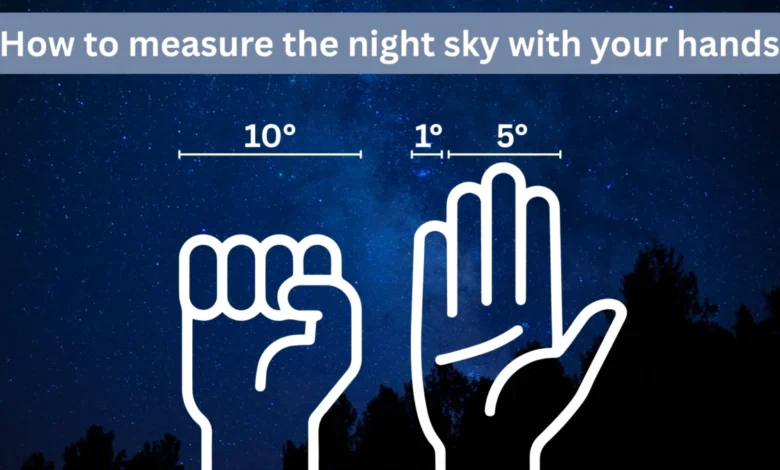
Radiant vs. Field of View: While meteors appear to originate from the radiant, the longest and most spectacular streaks occur about 30 to 45 degrees away from it. Lie back comfortably on a reclining chair or blanket and scan a wide area of the sky, allowing your peripheral vision to catch fleeting streaks. Your clenched fist held at arm’s length covers roughly 10 degrees of the sky, a useful gauge for estimating distances.
Allow for Dark Adaptation: It takes at least 20-30 minutes for your eyes to fully adapt to the dark. Avoid looking at bright lights, including phone screens (use a red-light filter if necessary), during this period.
Dress for Comfort: Expect overnight temperatures to be significantly cooler than forecasted, especially when sitting still on the ground. Layered clothing, heavy blankets, sleeping bags, and a ground cloth are essential. A warm drink and snacks can also make the long vigil more comfortable.
Patience is a Virtue: Minor showers, by definition, have lower hourly rates. Sporadic meteors, unrelated to any specific shower, occur at an average rate of about 7 per hour and will always be present. Differentiating between shower meteors (which trace back to the radiant) and sporadics requires attentiveness and sometimes plotting their paths.
The Broader Significance: Beyond the Spectacle
Meteor showers offer more than just a beautiful spectacle; they provide invaluable scientific data. By studying the characteristics of meteors – their speeds, colors, fragmentation patterns, and orbital paths – astronomers can glean insights into the composition and structure of their parent comets and asteroids. This helps us understand the early solar system, the distribution of matter, and the processes that shaped our planetary neighborhood. Organizations like the American Meteor Society (AMS) rely on citizen scientists to report their observations, contributing to a global database that tracks shower activity and identifies potential new streams.
Culturally, meteor showers have captivated humanity for millennia, inspiring myths, legends, and scientific inquiry across civilizations. From ancient stargazers interpreting them as omens to modern astrophotographers capturing their ephemeral beauty, these events connect us to the vastness of the cosmos and our place within it. The growing popularity of astrotourism, with destinations promoting dark sky parks, highlights the increasing public appreciation for these natural wonders and the importance of preserving pristine night skies.
While the Perseids undoubtedly command attention, the ensemble of summer’s minor meteor showers presents a continuous, albeit subtle, celestial drama. For those willing to embrace the quiet contemplation of a dark night sky, these less prominent displays offer unique opportunities to witness the intricate dance between Earth and the remnants of its cosmic past. As Joe Rao, an instructor and guest lecturer at New York’s Hayden Planetarium and a veteran meteorologist, often emphasizes, these events underscore the constant, dynamic nature of our solar system, reminding us to periodically cast our gaze upward and marvel at the universe’s enduring spectacle. So, gather your blankets, find a dark spot, and prepare to be rewarded by the subtle, yet profound, beauty of summer’s fleeting celestial visitors.