The Formula 1 circus has arrived in the neon-lit streets of Nevada for the penultimate round of the 2024 season, and with the Las Vegas Grand Prix cementing its status as the sport’s premier commercial spectacle, teams have seized the opportunity to debut a wave of bespoke aesthetic changes. As the championship heads into its final high-stakes triple-header in the United States, the visual identity of the grid is undergoing a significant transformation, reflecting the heavy investment and high-profile partnerships that define modern F1.
A Showcase of Brand Identity and Commercial Strategy
The Las Vegas Grand Prix is rapidly establishing itself as the "Super Bowl" of the Formula 1 calendar. Unlike traditional venues rooted in the sport’s European heritage, the Las Vegas Strip circuit is a product of modern sports entertainment marketing. Consequently, teams are increasingly utilizing this race to roll out "special edition" liveries designed to capture the attention of a massive American audience and satisfy high-value sponsors.
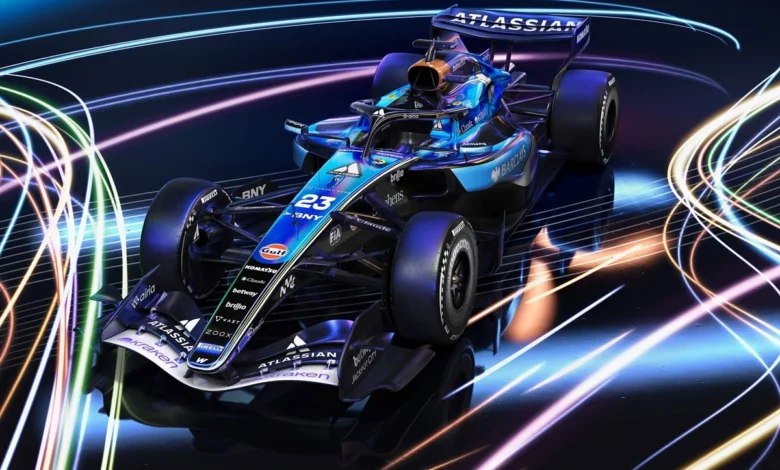
Williams Racing has caught the eye of onlookers with the unveiling of a striking blue chrome livery for the FW48. The design, which will adorn the cars of Alex Albon and Carlos Sainz, moves away from the team’s traditional dark blue matte finish to a reflective, metallic aesthetic that mirrors the glitz and artificial radiance of the Las Vegas night. This shift is more than a mere cosmetic choice; it serves as a powerful marketing asset in an environment where visibility is the primary currency.
The Acura-Honda Transition: A North American Pivot
Perhaps the most significant strategic branding shift this weekend comes from the Aston Martin Aramco Formula One Team. In a tactical move designed to capitalize on the prestige of the North American market, the team is replacing all primary Honda power unit branding with the Acura logo.

While Honda remains the engine manufacturer, Acura—the luxury performance division of the Japanese giant—will take center stage on the nose, engine cover, and the drivers’ racing suits. This transition is not merely a label swap; it represents a deepening of the relationship between the F1 outfit and the Japanese manufacturer’s regional luxury brand. For spectators and industry analysts, this serves as a reminder of how deeply global manufacturers are willing to weave their regional identities into the fabric of the sport to drive sales and brand awareness in the world’s most lucrative automotive market.
The rebranding effort is further bolstered by the inclusion of CoreWeave, an AI-focused cloud computing firm, which has influenced the design of the AMR-26. Fernando Alonso and Lance Stroll will pilot machines featuring distinct white accents on the sidepods and engine covers, a visual testament to the influx of high-tech sponsorship currently flowing into the paddock.
The Evolution of the "One-Off" Livery Trend
The phenomenon of the "one-off" livery has seen an exponential rise since the return of the Las Vegas Grand Prix to the schedule. In 2023, the event acted as a catalyst for creative design, with teams like Ferrari and Red Bull introducing specialized, Vegas-themed aesthetics. This year, the trend has reached a fever pitch.
Alpine, currently navigating a challenging season, has also opted to lean into the spectacle by updating their branding for outgoing title partner BWT. The team’s sidepods will feature enhanced pink highlights, a final promotional push for a partnership that has become synonymous with the team’s visual identity over the last several years.
This trend of "rolling billboards" is a direct response to the massive commercial growth F1 has experienced in the United States. According to Liberty Media’s financial reports, the U.S. market now accounts for a substantial percentage of the sport’s sponsorship revenue. By localizing liveries for the Las Vegas event, teams are not just racing for points; they are engaging in a sophisticated form of brand activation that resonates with domestic audiences who are accustomed to the high-energy, high-production values of American sports.

Historical Context and the U.S. Expansion
The 2024 Las Vegas Grand Prix marks the third U.S.-based race of the season, following successful events in Miami and Austin. The inclusion of three American rounds in a single season is an unprecedented milestone in the history of the FIA Formula One World Championship.
When the sport first began its aggressive expansion into the U.S. market under Liberty Media’s ownership in 2017, skepticism remained regarding whether the American public would embrace the technical complexity of F1. However, the success of the Netflix docuseries Drive to Survive and the logistical triumph of the Las Vegas street circuit have largely silenced those doubts.
The chronology of this shift is clear:
- 2017: Liberty Media acquires Formula 1, prioritizing U.S. growth.
- 2021: The inaugural Miami Grand Prix is announced, signaling a new era of "destination" racing.
- 2023: Las Vegas makes its return to the calendar, focusing on nighttime racing on the Strip.
- 2024: Bespoke branding and team-specific "takeovers" become the industry standard for U.S. events.
Technical and Operational Implications
While the visual changes grab the headlines, the technical side of the sport continues to operate under strict scrutiny. The introduction of new liveries is a logistical challenge for team mechanics, requiring the precise application of vinyl wraps that must not interfere with the aerodynamic efficiency of the car. In a sport where performance is measured in milliseconds, even the added weight of a complex livery or the placement of a new sponsor logo is analyzed by engineers to ensure no disruption to airflow over the chassis.
Furthermore, the "Acura" rebranding is indicative of the complex contractual web between engine suppliers and racing teams. With the new 2026 engine regulations on the horizon—which will see a greater focus on electrical power and sustainable fuels—manufacturers like Honda are eager to position their brands in a way that appeals to the next generation of performance-car buyers. The use of Acura in Las Vegas is a precursor to the marketing strategies we can expect to see as the sport enters its next regulatory cycle.

Stakeholder Perspectives and Industry Outlook
Industry experts suggest that this trend of aesthetic fluidity is likely to continue. "The Las Vegas Grand Prix has shifted the goalposts for what a Grand Prix weekend should look like," noted one veteran paddock observer. "Teams are no longer just looking to finish the race; they are looking to finish the race as the most visible brand on the grid. If that means changing your logo, your colors, or your entire identity for a single night, the ROI makes it a logical business decision."
For the drivers, the change is a welcome distraction from the intense pressure of the season. Drivers like Alex Albon and Fernando Alonso have expressed appreciation for the unique designs, noting that they provide a distinct "feel" to the event that separates it from the more traditional races on the calendar. However, the focus remains firmly on the tarmac. As the grid prepares for the high-speed straights of the Las Vegas circuit, where temperatures are expected to be significantly lower than in other rounds, the performance of the cars remains the ultimate priority.
Final Reflections on the Las Vegas Spectacle
As the lights go out in Las Vegas, the visual landscape of the grid will be a testament to the sport’s ongoing evolution. From the chrome reflections of the Williams to the luxury performance branding of the Acura-badged Aston Martin, the 2024 field is a vibrant representation of a sport in the midst of a cultural and commercial renaissance.
While purists may argue that the focus should remain solely on the racing, the commercial success of these initiatives cannot be denied. By blending the tradition of high-performance engineering with the high-octane marketing required in the 21st century, Formula 1 has successfully positioned itself as a global entertainment powerhouse. For the teams, the Las Vegas Grand Prix is no longer just a race—it is a launchpad, a showcase, and a glimpse into the future of international motorsport. As the teams head to the track this weekend, they do so not only as competitors but as architects of a new, highly visual era of professional racing.