
Category Disasters And Accidents
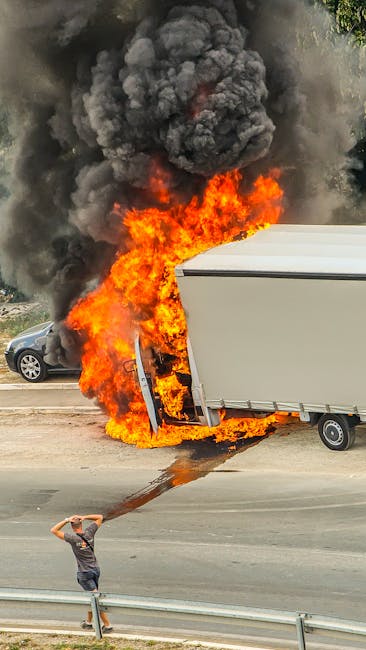
Category Disasters and Accidents: A Comprehensive Analysis of Failure Modes and Consequences
Category disasters and accidents represent a broad spectrum of events that result in significant harm, loss, or disruption, ranging from localized incidents with minor impact to widespread catastrophes with global ramifications. Understanding the underlying mechanisms, contributing factors, and potential consequences of these events is crucial for effective prevention, mitigation, and response. This article provides a comprehensive analysis of category disasters and accidents, exploring various typologies, common causes, cascading effects, and the multifaceted implications for individuals, communities, economies, and the environment.
Disasters can be broadly classified based on their origin and nature. Natural disasters, for instance, are geological or meteorological phenomena beyond human control. Earthquakes, volcanic eruptions, tsunamis, hurricanes, tornadoes, floods, droughts, and wildfires fall under this category. These events are often unpredictable in their exact timing and intensity, but understanding geological fault lines, weather patterns, and climatic conditions allows for probabilistic assessments and early warning systems. Technological or man-made disasters, conversely, arise from human error, design flaws, or intentional acts. Industrial accidents such as chemical spills, nuclear meltdowns, dam failures, and oil rig explosions exemplify technological failures. Transportation accidents, including plane crashes, train derailments, and major highway pile-ups, also fall into this domain, often stemming from mechanical failures, human error, or infrastructure deficiencies. Biological disasters, such as pandemics (e.g., COVID-19, influenza), epidemics, and foodborne illnesses, are caused by the rapid spread of infectious agents, often exacerbated by global interconnectedness and inadequate public health infrastructure. Societal or man-made crises, while not always immediately destructive, can lead to widespread suffering and instability. These include acts of terrorism, wars, civil unrest, economic collapses, and mass cyberattacks. The classification of an event as a disaster often depends on its scale, severity, and the capacity of the affected population to cope without external assistance. A localized chemical spill might be considered an accident, but a widespread release of toxic substances impacting a large population and environment would escalate to a disaster.
The causes of category disasters and accidents are complex and often interconnected, rarely stemming from a single isolated factor. Human error remains a pervasive contributor across all categories. In industrial settings, errors in judgment, lack of training, or procedural violations can lead to catastrophic failures. In transportation, pilot error, driver fatigue, or operator negligence are frequently cited causes. In the realm of natural disasters, human actions can exacerbate their impact. Deforestation, for example, increases the risk and severity of landslides and floods. Urban development in floodplains or seismic zones amplifies vulnerability to natural hazards. Climate change, a significant anthropogenic factor, is demonstrably increasing the frequency and intensity of extreme weather events like heatwaves, droughts, and hurricanes. Technological failures, while often preceded by design flaws or maintenance issues, can also be triggered by unforeseen circumstances. The Chernobyl disaster, for instance, was a confluence of flawed reactor design and operator errors. Cybersecurity breaches, a growing concern in the digital age, can disrupt critical infrastructure, leading to widespread chaos and economic damage, a form of technological disaster with significant societal implications. Intentional acts, such as terrorism or sabotage, directly introduce destructive intent into the causality chain. These acts are often designed to maximize fear and disruption, targeting critical infrastructure or densely populated areas. Moreover, a phenomenon known as "cascading failures" or the "domino effect" is a critical aspect of disaster causation. An initial event, even if seemingly minor, can trigger a chain reaction of subsequent failures, leading to a much larger and more complex disaster. For example, a power outage at a chemical plant could disable cooling systems, leading to a meltdown and toxic release. A major earthquake can trigger tsunamis, landslides, and widespread infrastructure collapse, demonstrating how multiple disaster types can converge.
The consequences of category disasters and accidents are far-reaching and multifaceted, impacting physical, social, economic, and environmental domains. The immediate human toll is often the most visible: loss of life, severe injuries, and psychological trauma. Displacement of populations, creating refugees and internal displacement crises, is a common and devastating consequence, leading to humanitarian challenges. Infrastructure damage is a universal outcome, encompassing destruction of homes, hospitals, schools, transportation networks, and communication systems. This severely hampers rescue efforts, disrupts essential services, and prolongs recovery. Economically, disasters inflict massive financial losses. Direct costs include damage repair, emergency response, and loss of assets. Indirect costs include business interruption, loss of productivity, and increased unemployment. The long-term economic recovery of affected regions can take years, or even decades, and can have ripple effects on national and global economies, particularly if critical supply chains are disrupted. Environmental consequences can be severe and long-lasting. Oil spills contaminate marine ecosystems, industrial accidents release toxic pollutants into air and water, and wildfires destroy habitats and contribute to air pollution. Climate-related disasters, such as droughts and floods, can lead to soil erosion, water scarcity, and agricultural failures. The psychological impact of disasters, including post-traumatic stress disorder (PTSD), anxiety, and depression, affects individuals and communities for extended periods. Social cohesion can be tested, but also strengthened, through community resilience and mutual support. However, disasters can also exacerbate existing social inequalities, disproportionately affecting vulnerable populations.
Preventing category disasters and accidents requires a multi-pronged approach focused on risk assessment, mitigation, preparedness, and robust regulatory frameworks. Risk assessment involves identifying potential hazards, evaluating their likelihood and potential impact, and understanding the vulnerabilities of a given system or community. This informs targeted prevention strategies. Mitigation efforts aim to reduce the likelihood or impact of disasters. This can involve structural measures, such as building codes designed to withstand earthquakes or floods, or non-structural measures, such as land-use planning to avoid hazardous areas. For technological disasters, rigorous safety protocols, regular maintenance, and independent oversight are paramount. Investing in renewable energy sources and sustainable practices can mitigate the risk of climate-related disasters. Preparedness encompasses developing comprehensive emergency plans, establishing early warning systems, stockpiling essential resources, and conducting regular drills and exercises. Public education and awareness campaigns are crucial to ensure individuals and communities know how to respond effectively when a disaster strikes. These campaigns should cover evacuation procedures, emergency contact information, and basic first aid. Regulatory frameworks play a critical role in setting and enforcing safety standards across industries, transportation, and environmental protection. Effective enforcement, coupled with penalties for non-compliance, incentivizes adherence to safety measures. International cooperation is increasingly important in addressing transboundary disasters, such as pandemics and climate change, through shared research, resource allocation, and coordinated response efforts.
The response to category disasters and accidents is a complex, dynamic process requiring coordination among various agencies, organizations, and individuals. The immediate phase focuses on search and rescue, provision of medical aid, and ensuring basic needs like shelter and sanitation are met. This phase is critically dependent on effective communication and coordination. Disaster relief organizations, such as the Red Cross and international aid agencies, play a vital role in providing humanitarian assistance. The recovery phase involves restoring essential services, repairing damaged infrastructure, and supporting the long-term rebuilding of communities. This can include financial assistance for rebuilding homes and businesses, mental health support, and efforts to revitalize local economies. The resilience of a community is often defined by its ability to not only withstand a disaster but also to recover and adapt. This involves fostering social capital, strengthening local governance, and incorporating lessons learned from past events into future planning. The post-disaster evaluation phase is crucial for identifying successes and failures in the response, informing future disaster preparedness and management strategies. This includes analyzing the effectiveness of early warning systems, communication protocols, and resource allocation. Continuous learning and adaptation are key to improving disaster resilience in the face of evolving threats and increasing complexity.
In conclusion, category disasters and accidents represent a fundamental challenge to human societies and the natural world. Their origins are diverse, stemming from natural forces, human error, technological failures, and intentional acts, often interacting in complex cascading chains. The consequences are devastating, impacting human lives, economies, and the environment. Effective prevention, mitigation, and preparedness strategies, underpinned by robust regulatory frameworks and international cooperation, are essential to minimizing their occurrence and impact. A comprehensive understanding of these events, from their genesis to their aftermath, is not merely an academic pursuit but a critical imperative for building a more resilient and safer future. The ongoing evolution of threats, particularly in the context of climate change and technological advancement, necessitates continuous vigilance, adaptation, and investment in disaster risk reduction and management. The interconnectedness of global systems means that a disaster in one region can have far-reaching implications, underscoring the importance of global solidarity and shared responsibility in addressing these pervasive challenges.
