Digital Wellness and the Algorithmic Purge: Strategies for Mitigating Nutrition Misinformation and Diet Culture in Social Media Feeds

The modern digital landscape has transformed the delivery of health and wellness information from a trickle of peer-reviewed journals into a torrential downpour of unverified social media content. For health and wellness professionals, this shift has created a dual challenge: navigating an industry that demands constant consumption of news while protecting personal mental health from the very "diet culture" the industry often critiques. Recent observations by health journalists and nutrition experts highlight a growing crisis of misinformation, where aesthetic appeal often supersedes scientific accuracy. As platforms like TikTok and Instagram evolve, the resurgence of thin-worshipping trends—rebranded for a new generation—has necessitated a strategic approach to "algorithmic cleaning" to preserve the psychological well-being of users.
The Evolution of Digital Food Culture and the Rise of Misinformation
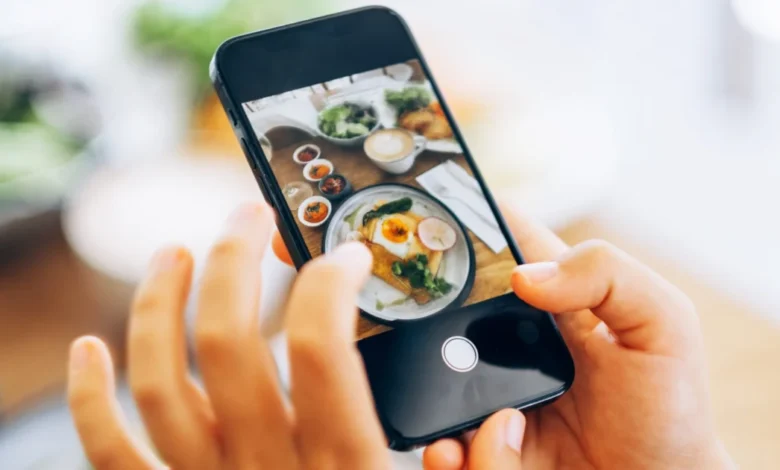
The trajectory of food-related social media has shifted significantly over the last decade. In the early 2010s, platforms were primarily used for sharing stylized, "filtered" images of meals—a phenomenon often mocked as "latte art" culture. However, as the creator economy matured, food bloggers and self-proclaimed wellness gurus began to occupy a space once reserved for registered dietitians and medical professionals. While this democratized access to recipes, it simultaneously opened the gates for the proliferation of nutrition misinformation and fear-mongering.
The psychological impact of this content is profound. Many users report a state of "nutritional paralysis," where the conflicting advice—avoiding gluten one day, embracing "keto" the next, or fearing seed oils—leads to disordered eating patterns. This phenomenon often manifests as orthorexia nervosa, a clinical obsession with "healthy" or "pure" eating. The transition from enjoying food as a source of community and heritage to viewing it through a lens of "healthier swaps" (such as the mid-2010s trend of black-bean brownies) illustrates how deeply diet culture can permeate the domestic sphere.
Chronology of a Crisis: From "Heroin Chic" to #SkinnyTok
To understand the current urgency for algorithmic intervention, one must examine the timeline of body image trends on the internet:
- The Early 2000s: The "heroin chic" aesthetic dominated mainstream media, emphasizing extreme thinness.
- The 2010s "Wellness" Rebrand: Diet culture rebranded as "wellness." Terms like "clean eating" and "detox" became ubiquitous, hiding restrictive behaviors behind a veneer of health.
- 2020-2022: The Body Positivity Wave: A brief period where social media algorithms saw an increase in diverse body representation and "intuitive eating" content.
- 2023-Present: The Resurgence of Thin-Worship: The rise of #SkinnyTok and the "maxxing" trends (proteinmaxxing, fibermaxxing) signaled a return to restrictive ideologies, often fueled by the popularity of weight-loss medications and a nostalgic return to Y2K-era aesthetics.
This chronology demonstrates that diet culture is not static; it is adaptive. It adopts the language of the era to remain palatable to consumers while maintaining the same underlying pressures.
The Mechanics of the One-Week Algorithmic Purge
In response to this resurgence, digital health experts have advocated for a proactive "summer cleaning" of social media feeds. The goal is to retrain the machine-learning algorithms that dictate what a user sees. This process, typically executed over a seven-day period, involves a conscious and repetitive set of actions designed to signal to the platform that restrictive or inflammatory content is no longer desired.
Day 1-2: Identifying Coded Language
The first phase of an algorithmic purge requires identifying "diet-coded" language. Modern diet culture frequently uses benign-sounding euphemisms. Key terms targeted for removal include:
- "Guilt-free" or "Cheat meals": These terms assign moral value to food, fostering a cycle of shame.
- "Detox" and "Cleanse": These imply the body is inherently "dirty" and requires external products to function, contradicting basic human physiology.
- "Skinny" or "Low-calorie" hacks: These prioritize caloric deficit over nutritional density or culinary satisfaction.
Day 3-5: The "Not Interested" Intervention
Social media algorithms are built on engagement. Even a "hate-watch" or a long pause on a video signals to the algorithm that the content is engaging. During a purge, users must utilize the "Not Interested" or "Dislike" functions immediately upon encountering problematic content, such as "What I Ate When I Was at My Skinniest" carousels or videos featuring "fear-mongering" background music in grocery stores.
Day 6-7: Positive Reinforcement and Credential Verification
The final stage involves actively seeking out and engaging with creators who possess legitimate credentials, such as Registered Dietitians (RDs) or certified nutritionists who adhere to evidence-based practices. Engaging with content that emphasizes "intuitive eating"—the practice of listening to internal hunger cues without judgment—helps stabilize the algorithm toward a more balanced feed.
Data and Statistical Analysis of Social Media Nutrition Claims
The necessity of these interventions is supported by emerging data. A 2023 study conducted by researchers at the University of Vermont analyzed TikTok content related to food, nutrition, and weight. The study found that nearly 90% of the most-viewed "wellness" videos on the platform were weight-normative, meaning they framed weight loss as the primary indicator of health. Furthermore, a significant portion of these videos lacked any scientific sourcing, relying instead on anecdotal "hacks."
Additional data from the National Eating Disorders Association (NEDA) suggests a correlation between the time spent on image-heavy social media platforms and an increase in body dissatisfaction. For women in their 20s and 30s, the constant exposure to "perfected" nutrition can lead to "clear-headedness" being replaced by "brain fog" caused by the stress of obsessive food tracking.
Professional Responses and Expert Analysis
The medical community has been vocal about the dangers of the "maxxing" culture—the trend of obsessively maximizing specific nutrients like protein or fiber to the exclusion of others. Dr. Linette Adams, a clinical psychologist specializing in eating disorders, notes that "the rebranding of restriction as ‘optimization’ or ‘healthmaxxing’ makes it harder for individuals to recognize they are struggling. It masks the behavior as a virtuous pursuit of health."
Registered Dietitians have also begun a counter-movement on social media. Creators like Sophie Macfie (@sophsplantkitchen) have gained traction by focusing on a "post-calorie-counting" lifestyle. Their content emphasizes the joy of cooking, the importance of heritage-sharing through food, and the use of nutrient-dense ingredients without the accompanying "punishment" or "guilt" often found in traditional diet content. These professionals argue that the stress and obsession regarding "perfect" eating are often more detrimental to cardiovascular and mental health than the occasional consumption of processed foods.
Broader Implications and the Path Forward
The battle for a healthy digital feed is indicative of a larger struggle for digital literacy in the 21st century. As algorithms become more sophisticated, the "game of telephone" played with nutritional facts becomes more dangerous. A single fact regarding protein intake can be distorted as it moves from a research paper to a wellness influencer, eventually becoming a mandate for an extreme, unbalanced diet.
The implications of failing to curate these feeds are significant. Beyond individual mental health, there is a public health concern regarding the erosion of trust in scientific institutions. When "everyone fancies themselves an expert," the authority of the medical community is undermined by the aesthetic appeal of a viral video.
Ultimately, the goal of an algorithmic purge is to return food to its rightful place in human life. Food serves as a form of community-building, a way to celebrate culture, and a source of pleasure. By mindfully pruning the digital "noise," users can move toward a mindset where nutrition is about thriving and energy, rather than fear and restriction. As this week-long experiment suggests, the power to change one’s digital environment lies in the persistent use of the "not interested" button and a commitment to evidence-based joy.