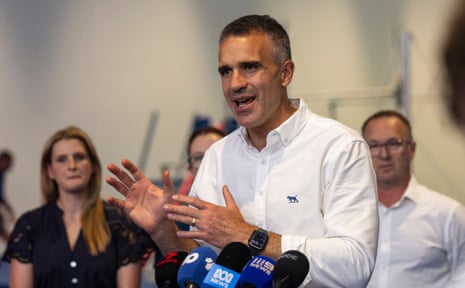
South Australian Premier Peter Malinauskas has issued a stern rebuke to the federal Albanese government, cautioning against the temptation to engage in a "race to the bottom" regarding national migration policy. Speaking in Sydney, the Premier characterized the current political climate as one defined by populist pressures, specifically urging the Commonwealth to resist calls from parties like One Nation to slash migration numbers for short-term political gain.
Malinauskas, whose own family history is rooted in post-World War II migration, argued that the current discourse surrounding immigration is drifting toward dangerous territory. He suggested that the "madness" of using migration as a political lever—rather than a measured economic tool—threatens the nation’s long-term prosperity. His intervention comes at a sensitive time, as the federal government faces mounting pressure over housing affordability, infrastructure capacity, and the rising cost of living.

The Political Landscape and Populist Pressure
The call for reduced migration has become a staple of the populist platform in Australia, with groups like One Nation framing the issue as the primary driver of the country’s current housing crisis. However, Malinauskas contends that this framing is fundamentally flawed. In his view, conflating immigration with the housing shortfall is a misdiagnosis that risks triggering an "act of national economic self-harm."
The Premier’s comments reflect a growing divide in Australian politics. On one side are those who view migration as a burden on existing infrastructure; on the other, leaders like Malinauskas argue that Australia, as a country with an rapidly aging workforce, cannot afford to close its doors. Demographic data supports the Premier’s urgency: projections indicate that within the coming decade, the proportion of Australians over the age of 65 will significantly eclipse those under the age of 15. In this context, migration is not merely a policy choice but an essential mechanism to replace a retiring workforce and sustain the tax base.
Chronology of the Debate
The debate over migration levels has intensified over the last eighteen months, punctuated by several key developments:
- Early 2026: Federal government reports highlight record-high population growth, sparking national conversation on the relationship between immigration and housing supply.
- Mid-2026: Rising rental costs and low vacancy rates in major capital cities become a central point of political friction. Populist parties seize on the sentiment, linking population growth to the lack of available housing stock.
- September 2026: Premier Malinauskas delivers his keynote address in Sydney, explicitly distancing his government from the populist approach of slashing intake numbers.
- Present Day: The federal government navigates the delicate balance between responding to cost-of-living concerns and maintaining an economic growth strategy that relies on skilled labor.
Economic Implications and the "Goose that Lays the Golden Egg"
Malinauskas extended his critique to the government’s approach toward international education. He described recent discussions about placing aggressive caps on international student numbers as "crazy," drawing a direct analogy to the mining sector. "Imagine if we did this to the mining industry," he remarked. "There would be an ad on every television station and mobile phone about how we’re killing the goose that lays the golden egg."
This comparison underscores the reliance of the Australian tertiary education sector on international fees, which sustain research and infrastructure at universities across the country. Critics of the Premier’s stance argue that the volume of international students has exacerbated the rental crisis in cities like Sydney and Melbourne, where students often compete for the same entry-level housing stock as low-income residents. The federal government is now tasked with finding a middle path—likely through targeted visa reforms—that addresses local housing pressures without gutting a multi-billion dollar export industry.
Data-Driven Policy vs. Political Rhetoric
When pressed by media outlets for a specific "magic number" for migration targets, Malinauskas declined to provide an arbitrary figure. Instead, he advocated for a "ground-up" approach. His model suggests that policy should be dictated by precise mapping of industry-specific skills shortages and the capacity for growth in regional areas, rather than a top-down number designed to satisfy polling data.

Economic analysis generally supports the argument that skilled migration is a net positive for the Australian economy. A report by the Productivity Commission previously indicated that migration improves the age structure of the population and assists in filling gaps in the construction, healthcare, and technology sectors. However, the disconnect remains in how this data is perceived by a public struggling with the daily realities of high interest rates and limited housing availability.
Wider Context: The Diplomatic and Policy Front
The discourse on migration is occurring alongside other significant foreign and domestic policy shifts. Former Prime Minister Kevin Rudd, recently returned from his tenure as Ambassador to Washington, has been actively engaged in public discourse this week. Rudd’s focus has been on the importance of Australia playing a role as a "middle power" in the face of shifting global alliances, particularly as the United States navigates its own internal policy volatility.
While the migration debate is domestic, it is inextricably linked to Australia’s broader international standing. As Rudd noted in his address to the Australian Institute of International Affairs, Australia must remain active in multilateral institutions. The implication is that a country inward-looking and preoccupied with isolationist policies—such as drastic migration cuts—is less capable of exerting influence on the global stage.

The Opposition and the "Grant Program" Stoush
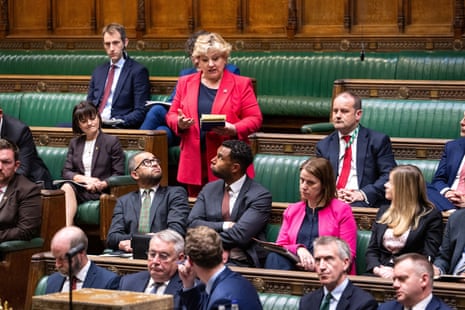
In addition to the migration debate, the current parliamentary sitting is marked by ongoing tension regarding the federal government’s grant allocation processes. There is a persistent allegation that the current funding model has disproportionately favored Labor-held electorates. This controversy, combined with the pending "digital duty of care" legislation, has created a complex environment for the Coalition.
The digital duty of care bill, which aims to regulate online platforms to ensure greater safety for users, has reportedly created significant disagreement within the Liberal party room. While some members argue for a more robust regulatory framework, others fear the implications for free speech and digital innovation. This internal friction, paired with the heated debates over immigration, suggests a high-stakes environment for the remainder of the legislative term.
Analysis: The Path Ahead
The warnings issued by Premier Malinauskas serve as a reality check for the Albanese government. While the political temptation to adopt the rhetoric of populist parties can provide short-term electoral relief, it risks creating structural long-term deficits in the Australian economy.
The core of the challenge is not simply the number of people entering the country, but the velocity at which the country builds the necessary infrastructure to support them. If the government can pivot the conversation from "migration versus housing" to "migration and infrastructure investment," it may find a more sustainable path forward. However, this requires a level of political courage that is often in short supply during the lead-up to election cycles.
As the political year draws to a close, the focus will likely remain on whether the government can articulate a coherent narrative that justifies its migration levels through the lens of economic necessity, rather than bowing to the pressure of those who advocate for a retreat into isolation. The "race to the bottom" that Malinauskas fears is a trajectory that, if followed, could take years for the Australian economy to recover from. For now, the debate remains one of the most significant litmus tests for the government’s commitment to pragmatic, long-term policy-making over the siren song of populist politics.