Australian consumers are bracing for a period of intensified economic pressure as the nation stares down the barrel of a projected interest rate hike, persistent inflationary trends, and an increasingly precarious cost-of-living crisis. Money markets have almost universally priced in a decision by the Reserve Bank of Australia (RBA) to lift the official cash rate to 4.6% on Tuesday. If enacted, this would represent the highest interest rate level in Australia since 2011, marking a significant 15-year peak that threatens to further constrain household budgets and dampen consumer spending.
This impending monetary tightening is not an isolated event but rather a reflection of a global economic tightening cycle. Central banks across the United States, Japan, and the European Union have aggressively moved to increase interest rates since the RBA’s last board meeting in August. The common thread among these global central banking decisions is the reactionary need to mitigate the inflationary impact of surging energy costs, which have been exacerbated by the prolonged and increasingly intractable conflict between the United States and Iran. As global oil and fuel prices fluctuate in response to geopolitical instability, the resulting inflationary pressure is being imported directly into the Australian economy, manifesting in higher transport costs and increased prices for essential goods.
The Economic Landscape and Federal Fiscal Response
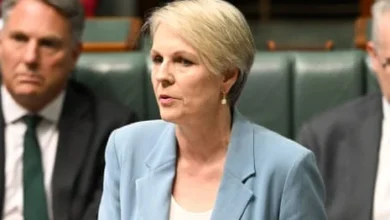
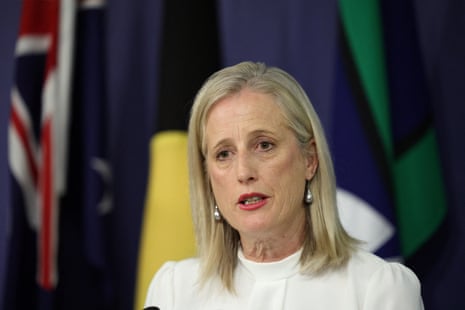
As the RBA prepares for its policy intervention, the federal government is attempting to balance the messaging of fiscal responsibility with the harsh reality faced by voters. On Monday, Treasurer Jim Chalmers and Minister for Finance Katy Gallagher are scheduled to release the final budget outcome for the 2025-26 financial year. Despite the prevailing economic gloom, the government anticipates a more positive fiscal narrative than previously feared.

According to preliminary statements from the finance minister, the final budget outcome is expected to show an improvement of approximately $6 billion relative to the figures projected in the federal budget. Chalmers is expected to frame this as a testament to the government’s disciplined fiscal management, arguing that the budgetary improvement—worth billions of dollars—provides the necessary room for continued investment in priority sectors. However, critics and opposition figures are likely to argue that this surplus, or reduction in deficit, is merely a byproduct of bracket creep and the delayed impact of previous fiscal decisions, rather than a genuine improvement in the underlying health of the household economy.
Deputy Prime Minister Richard Marles has acknowledged the severity of the situation, admitting that Australian households are currently "doing it tough." The government, he insists, is actively working to apply downward pressure on inflation. Yet, the administration faces significant political pushback. Despite public appeals to reinstate the previous temporary cut to the fuel excise—a measure that provided relief during earlier stages of the inflationary cycle—the Labor government has firmly rejected these calls. The government maintains that such measures would be counterproductive to the RBA’s goal of curbing inflation, as they would effectively inject more cash into the economy and potentially stimulate further demand-side price pressures.
Inflationary Pressures and Cost-of-Living Realities
The economic data slated for release this Wednesday by the Australian Bureau of Statistics (ABS) is expected to be a focal point for both policymakers and the public. With inflation having already come in "hotter than expected" in August, analysts are forecasting a potential rise from 3.5% to 4%. Such an increase would solidify the argument for a hawkish RBA stance, suggesting that the "sticky" nature of inflation—particularly in the services and energy sectors—has not yet been sufficiently broken.
Fuel costs remain a visceral indicator of this economic strain. As of mid-week, the average price of petrol in Australia’s five largest capital cities hovered at $2.37 per litre, with diesel peaking at $2.69 per litre. For households already managing the burden of record-high mortgage repayments, these costs represent a dual squeeze on disposable income. The rising cost of credit, combined with the inelastic nature of energy and fuel consumption, has led to a noticeable shift in consumer behavior, with an increasing number of Australians seeking secondary employment to meet their financial obligations.

Technology and Security: The OpenAI Medicare Breach
Beyond the immediate macroeconomic concerns, the government is currently navigating a significant technological crisis. Minister for Government Services Katy Gallagher has been vocal regarding the recent data breach involving OpenAI and the Medicare system. The incident has prompted a broader conversation about the necessity of robust legislative frameworks for artificial intelligence.
Gallagher described the current era as a "new world," highlighting the dangers posed by the rapid and often unchecked advancement of generative AI. Addressing the breach on Radio National, she noted that the delay between the incident occurring on June 18 and the government’s notification in the second week of September was "simply not acceptable." The government is now moving to push for mandatory reporting requirements and stronger legislative guardrails, arguing that without a clear escalation pathway and consequences for non-compliance, Australian citizens remain vulnerable to the risks inherent in emerging technologies. While Gallagher acknowledged that OpenAI has cooperated with the subsequent investigation, the incident has served as a catalyst for a more rigorous debate regarding the accountability of tech giants operating within Australian borders.
Environmental Anomalies: The Bogong Moth Migration
In an unusual intersection of environmental and social news, the Australian east coast is currently experiencing an influx of bogong moths during their annual migration. The insects, which travel from the north of Newcastle toward the alpine regions of the border between New South Wales and Victoria, have become a topic of public interest—and occasional concern.
The arrival of these moths, characterized by a dark stripe and two white spots, follows a catastrophic population collapse in the years preceding 2019, where numbers dropped by as much as 99.5%. Zoos Victoria has launched a "moth tracker" citizen science initiative, encouraging residents to report sightings to aid in monitoring the species’ recovery. While the New South Wales State Emergency Service (SES) jokingly noted that they may need to add "moth plague" to their list of future warnings, the official advice remains clear: members of the public are encouraged to tolerate the insects and avoid killing them to support the ecological recovery of the endangered species. The moths are often blown toward the coast by westerly winds and are frequently drawn into homes by artificial lighting, creating a nuisance that nonetheless underscores the complexities of Australia’s shifting environment.
Analysis: The Path Ahead
The convergence of these events—an impending interest rate hike, a volatile geopolitical situation driving up energy costs, a sensitive federal budget release, and an emerging crisis in AI governance—paints a picture of a nation at a significant inflection point.
The RBA’s move to 4.6% is intended to cool the economy, yet it risks tipping a fragile consumer sector into a more pronounced downturn. The government’s fiscal discipline, evidenced by the $6 billion budget improvement, is designed to reassure markets and provide a buffer, but it may offer little comfort to the average household facing higher petrol prices and increased mortgage repayments.
The coming weeks will be critical. The publication of the ABS inflation figures on Wednesday will likely dictate the tone of the national economic debate for the remainder of the quarter. Simultaneously, the federal government’s ability to navigate the fallout from the OpenAI breach will set the precedent for how it manages the intersection of private technology and public security. As the nation grapples with these multifaceted challenges, the resilience of the Australian economy will be tested as never before, requiring a delicate balance between monetary tightening, fiscal prudence, and the urgent need for modernization in policy and security.
The outlook for the final quarter of 2026 remains cautious. With global headwinds showing no signs of abating, the government’s insistence that "better days are on the horizon" will face a rigorous reality check from both the markets and the electorate. The challenge for policymakers will be to ensure that the necessary adjustments to the economy do not cause disproportionate harm to the most vulnerable, while simultaneously positioning the nation to withstand the ongoing volatility of a rapidly changing global landscape.