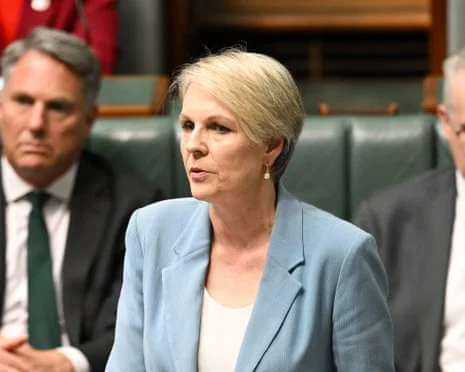
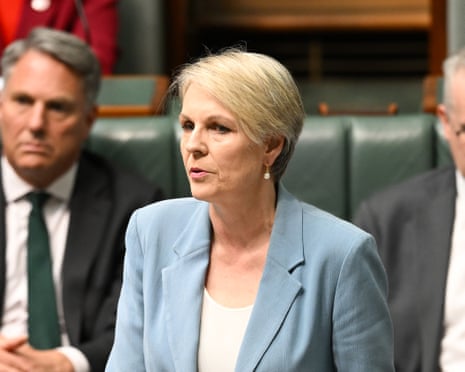
The Australian government has announced a sweeping new legislative package aimed at addressing the persistent issue of unpaid child support, including the introduction of international travel bans for parents who hold significant outstanding debts. Minister for Social Services Tanya Plibersek confirmed that individuals with child support liabilities exceeding $10,000 will be automatically prohibited from departing the country, a measure designed to provide a strong incentive for compliance in a system currently grappling with more than $2 billion in uncollected funds.

This policy shift represents one of the most significant reforms to the Australian child support system in decades. Beyond the travel restrictions, the government is moving to dismantle long-standing bureaucratic hurdles that have historically allowed perpetrators of domestic and family violence to use the child support framework as a tool for ongoing harassment.
Addressing the $2 Billion Debt Crisis
The scale of the issue is substantial. Official data indicates that there are approximately 100,000 parents and carers currently navigating the child support system who have either experienced, or remain at risk of, family and domestic violence. In many instances, the financial obligation is weaponized; perpetrators maintain control by withholding payments or manipulating financial reporting to avoid their responsibilities.
Minister Plibersek emphasized that the system’s current vulnerabilities allow for what she termed an "insidious form of domestic violence," where ex-partners are intimidated through the financial apparatus. The new legislative measures are designed to curb this by streamlining the transition from private collection arrangements to the official agency collection system. Once a case is moved into the agency’s jurisdiction, the government gains significantly broader powers to pursue outstanding debts, including the ability to garnish wages and intercept tax refunds.
The severity of the delinquency is highlighted by the existence of extreme cases: approximately 200 individuals currently hold debts exceeding $150,000, while at least one individual is recorded as having an outstanding liability surpassing $2 million. To combat these high-level avoiders, the Australian Taxation Office (ATO) will receive increased resources to audit individuals who fail to lodge accurate tax returns, a common tactic used to obscure actual income and minimize support payments.
Immigration Policy and the Broader Political Climate
The announcement regarding child support coincides with a broader, high-stakes overhaul of Australia’s immigration system. As the government attempts to manage net overseas migration (NOM) following the post-Covid economic surge, Home Affairs Minister Tony Burke is set to deliver a major address at the National Press Club. The government’s goal is to reduce net migration to 225,000 in the coming years, down from the 301,000 recorded in the last financial year—a 45% reduction from the 2023 peak.
This policy development has been surrounded by significant political tension. The government’s original plan to announce these changes was delayed by over a month, leading to speculation regarding internal cabinet divisions. While Minister Plibersek dismissed reports of such discord as media speculation, describing cabinet discussions as "constructive," the delay has provided an opening for opposition parties to criticize the government’s pace and priorities.
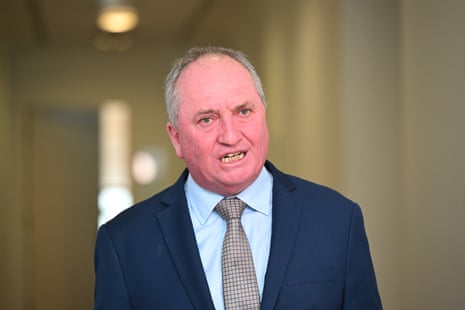
The Liberal-National Coalition has characterized the upcoming migration reforms as a reactive, "copy-and-paste" approach, alleging that Labor is mirroring policies previously suggested by One Nation. Barnaby Joyce, representing the Coalition, labeled Minister Burke’s earlier cancellation of his press club appearance as "the greatest no-show since Amelia Earhart," and questioned whether the government’s new projections would align with the economic modeling presented in the current federal budget.
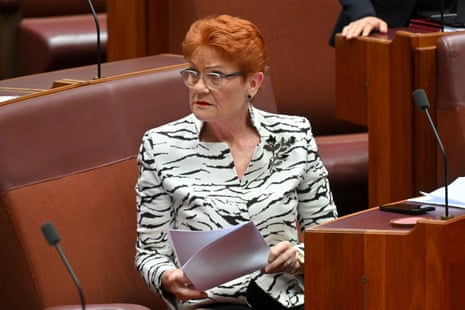
Meanwhile, One Nation leader Pauline Hanson has claimed victory for the shift, asserting that her party’s advocacy for net-negative migration has forced the government’s hand. "I’m implementing the will of the people who have been crying out for this for years," Hanson stated.
Academic and Sector Concerns
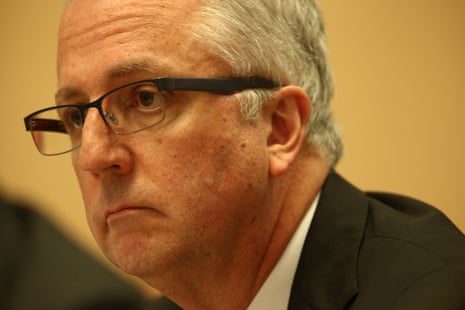
The impending changes to student visas, particularly restrictions on bringing family members, have drawn concern from the education sector. University of Sydney vice-chancellor Mark Scott has warned that the government must be careful not to damage Australia’s global reputation as a welcoming destination for top-tier international students.
"We just need to be very sure we’re not sending any sort of message that the best international students from around the world aren’t welcome in Australia," Scott noted. He highlighted that such policies, coupled with increased visa costs and higher rejection rates, could diminish the economic and cultural contributions that international students bring to the mining, agriculture, and tourism sectors. Scott noted from personal experience that the ability to travel with family was a decisive factor in his own career path as an international student, suggesting that overly restrictive policies could have unintended consequences on enrollment numbers.
Allegations of Political Interference
Simultaneous to the policy rollouts, the political landscape has been disrupted by allegations regarding the Plymouth Brethren Christian church. Following reports that the group allegedly paid far-right individuals to disrupt Labor’s election campaign, there have been mounting calls for the Coalition to formally condemn the church’s actions.
Minister Plibersek shared personal accounts of the campaign, alleging that she and her colleagues, such as Sally Sitou, faced physical intimidation by church members at polling stations. "She would be surrounded by men a foot taller than her, stopping her physically talking to or giving information to voters," Plibersek said. The allegations have prompted the electoral matters committee to compel senior members of the church to appear for questioning.

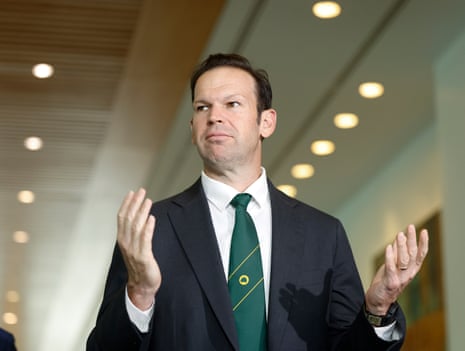
Matt Canavan, the Nationals leader, has defended the church, labeling the government’s focus on the issue a "witch-hunt" and accusing Labor of having a bias against people of faith involved in politics. The church has denied the allegations of paying for campaign disruptions, and the matter remains a significant point of contention as the parliamentary session concludes.
Implications and Future Outlook
The government’s simultaneous push for child support reform and tighter migration controls reflects a strategy of tackling high-priority domestic issues before the next election cycle, which is approximately 18 months away.

The child support reforms, while focused on fiscal recovery, carry a strong social justice component. By removing the legal requirement that forces the sharing of contact information between parents in cases where domestic violence is a factor, the government is attempting to modernize a system that has long been criticized for failing to protect vulnerable parties. The efficacy of these reforms will ultimately be measured by the ability of the agency to successfully recover the $2 billion in outstanding debt and provide a safer, more transparent process for the 100,000 families currently in the system.
Simultaneously, the migration debate remains a delicate balancing act for the Albanese government. They must reconcile the need to manage population growth and housing pressures with the economic necessity of maintaining a skilled workforce and a robust international education sector. As the government continues to refine its "who arrives, who stays, who leaves" framework, the political pressure from both the right-wing opposition and the education sector will continue to mount.

The convergence of these policy areas—social welfare reform, immigration management, and integrity in the electoral process—underscores the complex challenges facing the government. As the final sitting fortnight of the period concludes, the legislative agenda remains packed, with the government aiming to demonstrate that it can deliver on its promises to "clean up" the child support system while navigating the volatile political and economic climate surrounding the nation’s migration settings. Whether these measures will satisfy the public demand for reform or fuel further debate remains to be seen in the coming months.