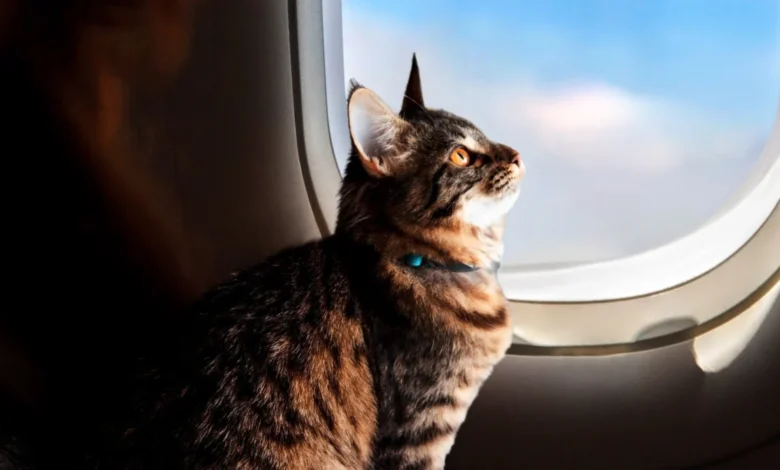
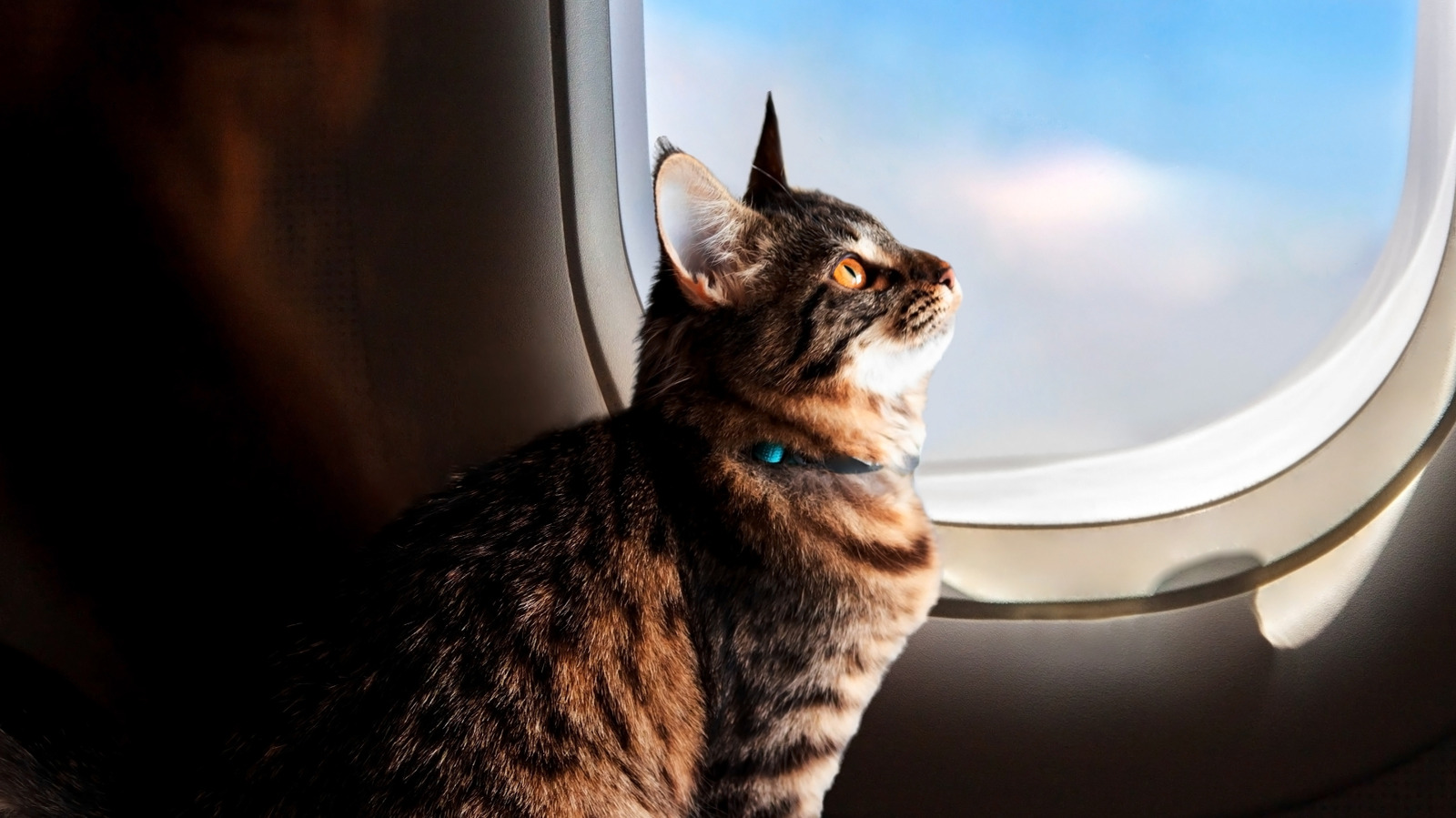
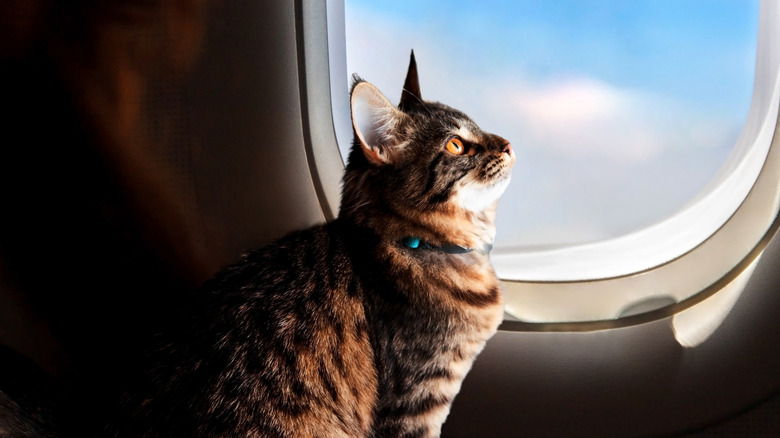
A routine early-morning departure for Delta Air Lines Flight 2706 turned into an unexpected aviation incident on Tuesday when a feline passenger managed to escape its carrier while the aircraft was taxiing toward the runway at Boston Logan International Airport. The incident, which occurred at approximately 7:00 a.m., necessitated an immediate halt to the aircraft’s movement, highlighting the complexities and strict safety protocols associated with traveling with pets in pressurized airline cabins.
Chronology of the Incident
The flight, scheduled for a routine journey from Boston to Tampa, Florida, was in the early stages of its departure sequence when the crew was alerted to a security breach within the cabin. According to reports confirmed by air traffic control communications, the cat had successfully exited its kennel shortly after the aircraft pushed back from the gate.
Upon discovering the animal roaming freely in the aisle, the flight crew initiated standard safety procedures. Pilots immediately brought the aircraft to a stop on the taxiway to prevent any potential interference with flight controls or passenger safety. The owner of the pet, acting in accordance with airline policies, was able to secure the cat and return it to its carrier.
The delay was relatively brief. Once the animal was confirmed to be safely contained and the cabin environment was deemed secure for takeoff, the pilots notified air traffic control. The radio exchange between the pilot and the control tower, captured during the event, offered a moment of levity in an otherwise rigid professional environment. After the pilot reported the situation, the controller responded with a remark acknowledging the unusual nature of the delay: "That is a new one… Have a good day, meow." Following this, the flight proceeded to the runway and arrived in Tampa on schedule.
Airline Policies and Pet Safety Standards
The presence of animals in the cabin of commercial aircraft is governed by strict Department of Transportation (DOT) guidelines and individual airline policies. Delta Air Lines, like many major U.S. carriers, permits small dogs, cats, and household birds to travel in the cabin provided they are housed in a Department of Agriculture-approved, ventilated carrier that fits entirely beneath the seat in front of the passenger.
The primary rationale behind these mandates is not merely passenger comfort, but flight safety. A loose animal in the cabin represents a potential hazard, particularly during critical phases of flight such as takeoff and landing. The possibility of an animal obstructing a passenger’s path during an emergency evacuation, or interfering with crew members performing their duties, is a significant concern for aviation safety boards.
Data from the Bureau of Transportation Statistics (BTS) indicates that while millions of passengers travel with pets annually, incidents involving escapes are statistically rare but not unprecedented. Airlines are legally required to report any death, injury, or loss of an animal during air transport to the DOT. While "loose in cabin" events do not always reach the threshold of an injury report, they are frequently documented by airlines as part of internal safety reporting systems to ensure that carrier requirements are being met by travelers.
The Challenges of Air Travel with Pets
Traveling with a pet requires significant preparation and adherence to strict behavioral expectations. Veterinary experts often recommend that pet owners acclimate their animals to carriers weeks before a scheduled flight to reduce stress-induced escape attempts. Stress in an aircraft environment—caused by noise, pressure changes, and unfamiliar surroundings—can cause even docile pets to exhibit uncharacteristic behavior, including heightened attempts to break free from confinement.
Furthermore, airlines reserve the right to deny boarding or remove passengers who cannot comply with safety regulations. If a pet is deemed aggressive or if the owner cannot maintain control of the animal, the airline may require the pet to be moved to the cargo hold—provided the animal is eligible—or deny transport entirely. In this instance, the owner’s prompt response prevented more severe repercussions, such as the flight returning to the gate or the passenger being offloaded.
Broader Implications for Aviation Security and Operations
The incident serves as a reminder of the operational ripple effects that minor cabin disturbances can cause. In the modern aviation landscape, where turnaround times are meticulously planned to maintain system-wide punctuality, even a ten-minute delay caused by a loose pet can affect the aircraft’s subsequent flights throughout the day.
For the aviation industry, the incident highlights the ongoing debate regarding the integration of pets into the cabin. While public sentiment has largely trended toward greater inclusion for pets, the logistics of ensuring safety remain a primary focus for airlines. The Federal Aviation Administration (FAA) does not have specific regulations regarding the temperament of pets in cabins, leaving the enforcement of safety standards largely to the individual airlines.
Future Considerations for Pet Owners
For travelers considering air travel with their pets, industry experts emphasize the importance of "dry runs." This includes ensuring that the carrier is not only the correct size but also possesses secure, locking mechanisms that cannot be manipulated by a clever or agitated pet. Additionally, many veterinarians suggest that owners consult with them regarding the use of calming aids, although the FAA generally advises caution regarding the use of sedatives during flight due to potential respiratory issues caused by altitude-related pressure changes.
Ultimately, the incident on Flight 2706 ended without harm to the passenger, the animal, or the flight schedule. However, it underscores the necessity for vigilance. As the volume of air travel continues to rebound toward pre-pandemic levels, the number of pets traveling alongside their owners is expected to increase. For the industry, this necessitates a continued focus on passenger education regarding pet containment policies to ensure that the cabin remains a safe and orderly environment for all passengers.
While the story of the "Florida Cat" provided a brief moment of amusement for those monitoring air traffic control, it remains a serious operational event. The cooperation between the pet owner and the flight crew ensured that the matter was resolved quickly, allowing the aircraft to continue its journey. As travelers continue to integrate pets into their itineraries, the balance between animal welfare and aviation safety protocols will remain a key component of the commercial air travel experience. For now, the feline involved in the incident has likely returned to its normal routine, having left its mark on the logs of Boston Logan Airport as a notable, if slightly unconventional, passenger.