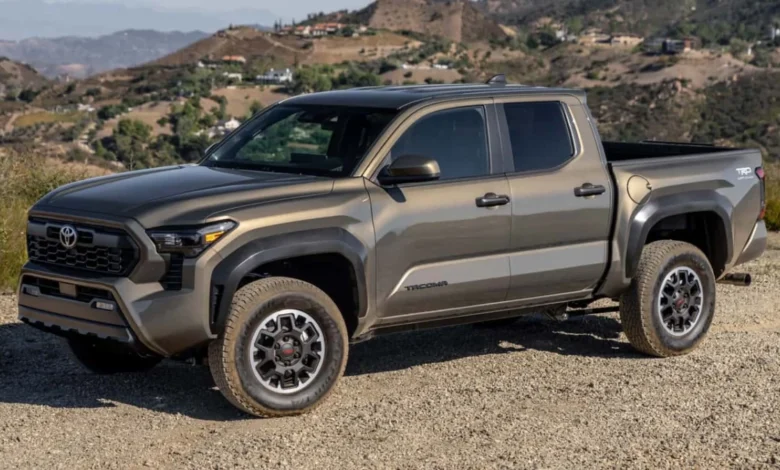
Toyota has officially updated the pricing structure and ownership benefits for its 2027 Tacoma lineup, introducing a notable shift in the value proposition for prospective midsize truck buyers. The base manufacturer’s suggested retail price (MSRP) for the entry-level SR trim now sits at $32,725 before factoring in destination and delivery fees. Once the $1,745 destination charge is applied, the starting price for the 2027 model year climbs to $34,470, representing a recalibration of the truck’s market positioning. Across the broader portfolio, every trim level sees a minimum price increase of $180, with specific high-demand variants such as the TRD Off-Road and TRD Sport models experiencing a $520 uptick. At the upper echelon of the lineup, the range-topping TRD Pro Hybrid now commands a sticker price of $66,675, inclusive of all delivery and destination costs.
A Strategic Pivot in ToyotaCare Maintenance
The most significant departure from previous model years lies in the reduction of the ToyotaCare complimentary maintenance program. Historically, Toyota has distinguished its vehicles in the competitive midsize truck segment by offering a robust maintenance package, which previously covered scheduled services for two years or 25,000 miles. For the 2027 model year, this coverage has been halved, with the program now terminating after one year or 10,000 miles, whichever milestone is reached first.
Despite this reduction in scheduled service, Toyota has maintained the two-year, unlimited-mileage roadside assistance component of the ownership experience. Regarding the rationale behind this adjustment, representatives from the automaker have stated that the decision was influenced directly by customer feedback. While the specific nature of this feedback remains internal, industry analysts suggest that such changes are often reflective of broader corporate strategies to streamline post-sale support costs in an era of rising manufacturing and logistics expenditures.
Chronology of the Tacoma’s Evolution
The Toyota Tacoma has long held a dominant position in the midsize truck market, a reputation built on perceived reliability and high resale value. The current generation, which underwent a significant redesign recently, has been focused on integrating advanced hybrid powertrains and modernized cabin technology.
In 2026, the Tacoma model year was characterized by aggressive efforts to capture market share through aggressive feature packaging and the initial rollout of the i-Force Max hybrid powertrain. The 2027 update represents a second phase of this lifecycle, where the manufacturer is shifting from a strategy of market expansion to one of margin optimization. By narrowing the scope of the complimentary maintenance program while simultaneously adjusting base MSRPs, Toyota is signaling a change in how it manages the long-term cost of ownership for its flagship truck. For consumers, the transition from a 25,000-mile coverage window to a 10,000-mile window is a non-trivial adjustment, as it effectively shifts the cost of the second major service interval directly onto the owner.
Analyzing the Value Proposition: Features vs. Cost
To mitigate the impact of price increases, Toyota has adjusted the standard equipment lists for various trims. The SR5 trim, for instance, now includes heated, power-adjustable front seats as standard equipment—features that were previously sequestered behind optional convenience packages or higher-tier trims. Additionally, the SR5 receives a refreshed exterior aesthetic with the inclusion of dark-silver-finished wheels.
However, the cost-to-value ratio becomes increasingly complex when utilizing the online configurator. A base SR5, which lists an MSRP of $36,815, can quickly see its price inflate to $38,410 or higher as options are added. Analysis of current configuration trends suggests that even modest additions to the vehicle’s spec sheet result in a price jump of approximately $1,800 to $2,500 over the base MSRP.
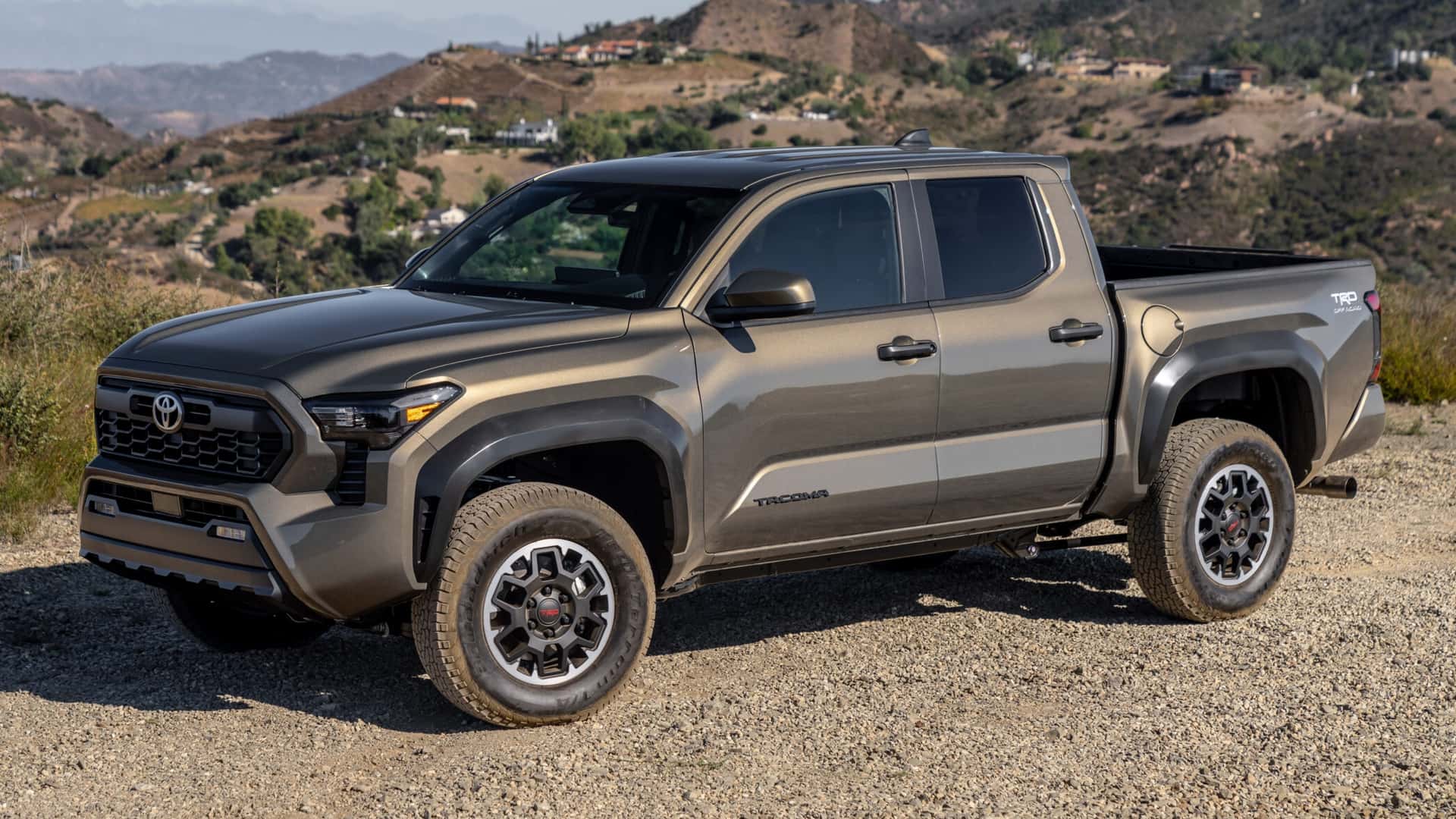
The powertrain options remain consistent with the established performance metrics of the current generation. The standard gas engine continues to deliver 278 horsepower and 317 pound-feet of torque. The i-Force Max hybrid remains the performance leader, outputting 326 horsepower and 465 pound-feet of torque. These power figures are applied consistently across the 23 core configurations available to buyers, ensuring that the performance gap between the entry-level work trucks and the high-performance TRD variants remains clearly defined.
Market Implications and Competitive Landscape
The midsize truck segment is currently one of the most hotly contested categories in the North American automotive market, with refreshed entries from Chevrolet, GMC, Ford, and Honda placing significant pressure on the Tacoma’s historical dominance. By implementing price hikes alongside reduced maintenance coverage, Toyota is testing its brand loyalty.
Potential buyers comparing the 2027 model to the 2026 version or to used inventory must account for the "total cost of ownership" (TCO) shift. The shorter maintenance window means that owners will be responsible for out-of-pocket expenses for oil changes, filter replacements, and multipoint inspections much earlier than they would have been under the previous policy. When factoring in the higher upfront purchase price, the 2027 Tacoma enters the market as a more premium, albeit more expensive, proposition.
Cosmetic Distinctions and Brand Strategy
Toyota is also leveraging color as a primary differentiator for its top-spec models. The introduction of "Honeycomb," an exclusive exterior paint color for the 2027 TRD Pro, serves as a visual marker of the vehicle’s premium status. This strategy is consistent with the automotive industry’s broader trend of using limited-edition colors or specific trim-exclusive aesthetics to justify higher price points. By ensuring the TRD Pro is instantly recognizable, Toyota maintains the "halo effect" that the model exerts over the rest of the Tacoma lineup, potentially driving interest in lower, more profitable trims through brand association.
Future Outlook and Consumer Response
As the 2027 Tacoma reaches dealer lots, the primary question for the market is how consumer demand will respond to the dual pressure of increased MSRPs and reduced service incentives. Historically, the Tacoma has been relatively price-inelastic, meaning that buyers have been willing to pay a premium for the truck’s reputation for longevity and off-road capability. However, as the midsize segment matures, the margin for error narrows.
Toyota’s reliance on "customer feedback" as a justification for service changes suggests that the company is closely monitoring how its support programs affect overall brand sentiment. Whether this change is viewed as a necessary rationalization of services or a reduction in brand value will likely play out in sales data over the coming quarters.
For the average consumer, the shift necessitates a more careful review of the purchase contract and a reassessment of the maintenance budget. The 2027 Tacoma remains a highly capable and technologically advanced vehicle, but it is no longer the "value-added" play it may have been in previous cycles. Potential owners are encouraged to review the full list of included equipment, as the increase in standard features on trims like the SR5 may offset the reduction in maintenance coverage for some, while others may find the change in support programs to be a significant deterrent.
In summary, the 2027 Toyota Tacoma model year is defined by a transition toward higher entry costs and a recalibrated ownership support structure. As the automaker navigates the complexities of modern manufacturing, supply chain management, and a competitive landscape, the Tacoma remains its anchor in the truck market—a vehicle that continues to command attention, even as the terms of its acquisition and maintenance are refined.