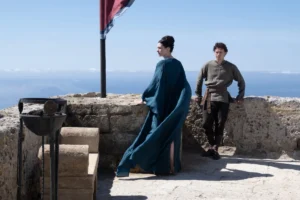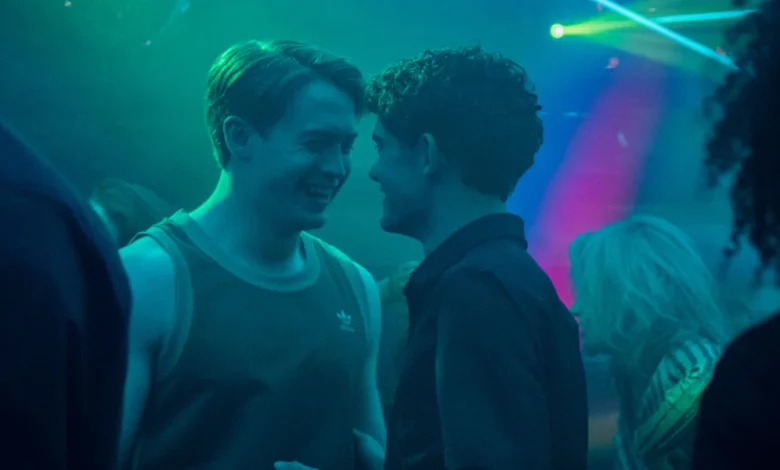
The much-anticipated cinematic conclusion to the beloved Heartstopper television universe, titled Heartstopper Forever, has officially arrived on Netflix, offering fans a poignant send-off to the cherished characters. This feature film draws directly from Alice Oseman’s sixth graphic novel of the same name, weaving in the narrative threads of her earlier 2015 novella, Nick and Charlie. Following three successful seasons that chronicled the burgeoning romance and evolving lives of Nick Nelson (Kit Connor) and Charlie Spring (Joe Locke), Heartstopper Forever delves into the complexities of long-term relationships, the anxieties of impending adulthood, and the inevitable shifts that come with life’s major transitions.
The narrative arc of Heartstopper Forever sees Nick and Charlie navigating a significant crossroads. As Nick prepares to embark on his university journey at Leeds, the couple, along with their wider circle of friends, confront the prospect of geographical separation and divergent life paths. The film meticulously portrays the emotional weight of these impending changes, highlighting how each member of the ensemble cast faces their own unique challenges and aspirations. This includes Charlie’s close friends, such as Elle (Yasmin Finney), who is set to pursue her artistic ambitions in Berlin, a testament to the show’s ongoing commitment to diverse representation and individual growth. The film promises to explore the resilience of their bonds amidst these personal evolutions, mirroring the authenticity that has resonated so deeply with its audience.
A Curated Soundtrack Reflecting Emotional Depth
Integral to the Heartstopper experience has always been its meticulously crafted soundtrack, which has consistently amplified the emotional resonance of the on-screen narratives. The series has previously showcased an eclectic mix of artists, including performances from Baby Queen, Grammy Award winner Billie Eilish, Tom Odell, Maggie Rogers, and songs by Wasia Project, the band fronted by series star William Gao and his collaborator Olivia Hardy. Heartstopper Forever continues this tradition, presenting a rich tapestry of musical talent that underscores the film’s thematic explorations of love, friendship, and self-discovery.
The film’s soundtrack features a compelling selection of singles from a diverse range of artists. Notable inclusions span the indie-pop sensibilities of Royel Otis, the soulful melodies of Gigi Perez, and the introspective artistry of Sufjan Stevens. This carefully curated selection aims to mirror the emotional landscape of the characters as they navigate the bittersweet moments of farewell and the hopeful anticipation of new beginnings.
The trailer for Heartstopper Forever provided an early glimpse into the film’s musical direction, prominently featuring Olivia Rodrigo’s latest single, "stupid song." Released on June 13 from her new album, You Seem Pretty Sad For A Girl So In Love, the inclusion of this track signifies the film’s commitment to incorporating contemporary hits that resonate with the experiences of its young adult demographic. The strategic placement of this single in the trailer generated considerable buzz, hinting at the film’s ability to tap into current cultural conversations and popular music trends.
The Full Musical Lineup for Heartstopper Forever
The complete tracklist for Heartstopper Forever has been unveiled, offering fans a comprehensive guide to the sonic journey that accompanies Nick and Charlie’s latest chapter. The soundtrack aims to encapsulate the emotional highs and lows, the tender moments, and the exhilarating leaps of faith that define the characters’ experiences.

The songs featured in Heartstopper Forever are:
- "Honey" by Royel Otis: This track likely sets an optimistic and perhaps slightly melancholic tone, reflecting the initial stages of transition and the lingering sweetness of shared memories.
- "I’m So Bored" by Royel Otis: A potential counterpoint, this song could represent the ennui or uncertainty that arises during periods of change, offering a moment of relatable introspection.
- "I’m Here" by Angie McMahon: McMahon’s powerful vocals and introspective lyrics often touch upon themes of self-acceptance and resilience, suggesting this song will underscore moments of personal strength and affirmation.
- "If You Loved Me" by Gigi Perez: This track, with its evocative title, hints at romantic introspection and perhaps the unspoken emotions that lie beneath the surface of relationships facing strain.
- "The World Is Ending" by Sufjan Stevens: Stevens’ work is renowned for its profound emotional depth and often explores themes of love, loss, and existential reflection. This song could accompany a pivotal moment of realization or a particularly poignant farewell.
- "You Make Me Feel Like Myself" by Billie Eilish: A nod to a returning artist, this song’s sentiment aligns perfectly with the themes of self-discovery and mutual support that are central to the Heartstopper narrative.
- "So Long, London" by Billie Eilish: This track, particularly given its title, is likely to feature during moments of departure or the contemplation of distance, resonating with the characters’ impending separations.
- "Are You Bored Yet?" (feat. Clairo) by Wallows: A popular indie track, this song might inject a dose of youthful energy and the complexities of communication within relationships.
- "The Boys Are Doing Great" by The Last Dinner Party: This song’s title suggests themes of camaraderie and shared success, potentially highlighting the supportive network of friends.
- "Don’t You Worry About Me" by The Last Dinner Party: Another contribution from this band, this track could offer reassurance and underscore the enduring strength of friendships.
- "Pretty Girl" by Maggie Rogers: Rogers’ music often blends folk and pop elements with themes of empowerment and authenticity, suggesting this song will accompany moments of self-assuredness.
- "Good Days" by SZA: A popular track known for its optimistic and hopeful outlook, this song is likely to be used to punctuate moments of joy and anticipation for the future.
- "Back To You" by Baby Queen: As a frequent contributor to the Heartstopper soundtrack, Baby Queen’s inclusion signifies a continuation of the established sonic identity, likely reinforcing themes of connection and loyalty.
- "I Don’t Know What You’re Doing With Your Life" by Wasia Project: This track, from the band featuring series star William Gao, adds a personal touch to the soundtrack and could explore themes of confusion or existential questioning.
- "Nothing To Say" by Wasia Project: Another contribution from Wasia Project, this song might delve into the unspoken emotions and the challenges of expressing complex feelings.
- "My Love Mine All Mine" by Mitski: Mitski’s evocative songwriting often explores themes of love, longing, and self-possession. This song’s title suggests a focus on personal devotion and the intrinsic value of love.
Background and Context: The Evolution of Heartstopper
The Heartstopper phenomenon began with Alice Oseman’s webcomic, which gained immense popularity online for its authentic and heartwarming portrayal of LGBTQ+ teenage relationships. The transition to graphic novels and subsequently to a Netflix series allowed the story to reach an even wider audience, earning critical acclaim and a devoted fanbase. The series has been lauded for its positive representation, its gentle pacing, and its ability to capture the nuances of adolescent emotions.
The decision to conclude the TV series with a feature film, Heartstopper Forever, marks a significant shift in the franchise’s media presence. While previous seasons have been episodic, a film format allows for a more consolidated narrative arc, potentially offering a deeper dive into the characters’ development and the resolution of their storylines. This approach mirrors the structure of Oseman’s final graphic novel, providing a sense of closure and a fitting culmination to the journey that began with Nick and Charlie’s first meeting.
The film’s narrative is deeply rooted in the source material, specifically addressing the thematic concerns Oseman explored in the Nick and Charlie novella, which focused on the couple’s challenges as they navigated the uncertainties of their future together. Heartstopper Forever promises to expand upon these themes, incorporating the wider ensemble cast and their individual growth trajectories. The film’s release is timed to coincide with a period of significant life change for its characters, making the soundtrack’s selection of songs all the more impactful in reflecting these transitional moments.
Analysis of Implications and Fan Reception
The transition from a multi-season television series to a feature film finale is a strategic choice that could have several implications for the Heartstopper franchise. A film format often allows for a more focused and emotionally impactful conclusion, potentially providing a more satisfying sense of closure for dedicated fans. The success of Heartstopper Forever could also pave the way for future cinematic adaptations of Oseman’s other works or explore new narrative avenues within the established universe.
The film’s soundtrack, with its blend of established hits and emerging artists, is likely to play a crucial role in shaping the audience’s emotional experience. By integrating songs that are both current and thematically relevant, Heartstopper Forever aims to connect with its target demographic while also introducing them to new musical discoveries. The inclusion of artists like Olivia Rodrigo and Billie Eilish underscores the film’s efforts to remain culturally relevant and to resonate with contemporary youth culture.
Fan reactions to the film’s announcement and the subsequent release of trailers and music previews have been overwhelmingly positive. The Heartstopper fanbase is known for its passionate engagement, and the anticipation for Heartstopper Forever has been palpable. The emphasis on the film’s musical score suggests that the soundtrack will be a significant talking point among viewers, further cementing the integral role of music in the Heartstopper universe. The film’s success will undoubtedly be measured not only by its narrative resolution but also by its ability to evoke the same warmth, joy, and emotional honesty that have defined the series since its inception. The carefully chosen songs in Heartstopper Forever are poised to be as memorable and impactful as the story they accompany.
Related posts: