Magic Eden Platform Hit by Security Scare as 3,800 NFTs Siphoned in White-Hat Intervention

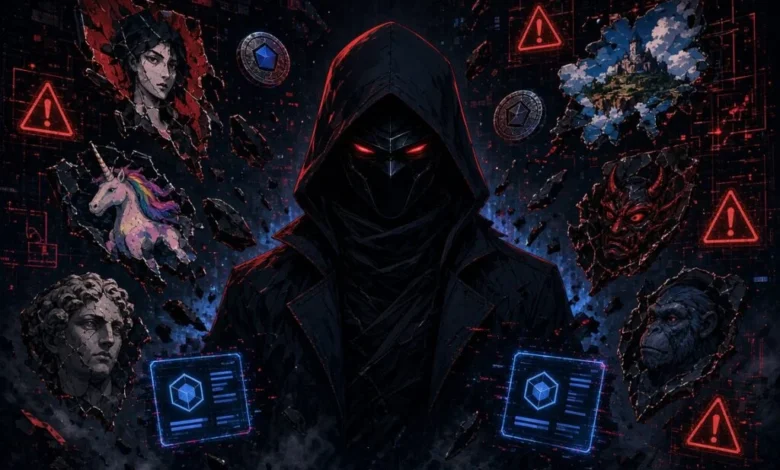
A major security incident rippled through the non-fungible token (NFT) ecosystem on September 25, when prominent marketplace Magic Eden became the center of a high-profile exploitation scare. In an event that initially triggered widespread panic across social media platforms, approximately 3,800 high-value NFTs—spanning blue-chip collections such as Bored Ape Yacht Club and Azuki—were unexpectedly drained from user wallets.
While the incident initially bore all the hallmarks of a malicious cyberattack, subsequent investigations revealed a reassuring twist: the siphon was executed by a known white-hat hacker operating under the pseudonym 0xQuit, rather than a malicious threat actor. The intervention was reportedly designed to safeguard user assets from a vulnerable smart contract interface before malicious entities could exploit the loophole.
Anatomy of the Incident: The White-Hat Intervention Unfolds
The anomaly first came to light on September 25, when blockchain sleuths and NFT collectors noticed massive, unauthorized withdrawals occurring on Magic Eden. In total, approximately 3,832 NFTs were transferred out of user control through transactions originating from an address holding 0 ETH. Because many of the affected assets belonged to premier collections with floor prices scaling well over 140 Ether combined, the decentralized finance (DeFi) community immediately feared a catastrophic platform-wide exploit.
However, the panic subsided slightly when security researcher 0xQuit took to social media to claim responsibility for the maneuver. Posting from their verified account, 0xQuit stated: “Hey ya this is a whitehat and everything in 0x71cF3f5724bD2B72Ef6464992aCd26216DE7fe33 is safe and will be returned once they are no longer at risk.”
According to the researcher, the siphoned digital collectibles were systematically swept and deposited into a secure multisig holding address (0x71cF3f5724bD2B72Ef6464992aCd26216DE7fe33) to prevent third-party exploitation.
Yuga Labs Responds to Smart Contract Vulnerability
As the situation unfolded, prominent NFT community figure Cirrus (@CirrusNFT) publicly called attention to the unfolding crisis, prompting digital asset firm Yuga Labs to mobilize its security team. Yuga Labs quickly collaborated with 0xQuit to verify whether the maneuver was indeed an authorized preventive measure or an active exploit in progress.
Following the verification process, 0xQuit warned the community that specific legacy payment processor contracts on both Ethereum and ApeChain possessed critical vulnerabilities that could allow unauthorized actors to drain user wallets. Specifically, the researcher urged users to immediately revoke approvals for the following contracts:
- Payment Processor V2 on Ethereum:
0x9A1D00bEd7CD04BCDA516d721A596eb22Aac6834 - Payment Processor V3 on ApeChain:
0x9a1D00000000fC540e2000560054812452eB5366
Yuga Labs leadership, including Michael Figge, confirmed the findings. The company verified that the smart contracts in question contained legacy code vulnerabilities, which had already allowed 0xQuit to preemptively sweep vulnerable listings before malicious actors could weaponize the exploit.
Magic Eden Addresses the Security Scare
As technical teams scrambled to assess the scope of the vulnerability, Magic Eden’s engineering department swiftly enacted protective measures to safeguard marketplace infrastructure. The platform’s management issued statements confirming that the issue stemmed from underlying smart contract vulnerabilities rather than a direct breach of Magic Eden’s core Solana or Ethereum applications. Officials emphasized that the exploit mechanism targeted marketplace-approved spending permissions rather than user private keys or the platform’s underlying database architecture.
Industry experts weighed in on the incident, noting that while white-hat interventions prevent catastrophic financial losses, they also highlight systemic risks inherent in decentralized application (dApp) permissions. Security advocates reiterated that users frequently forget to revoke token approvals and marketplace spending allowances over time, leaving doors open for secondary exploits even long after they have stopped actively trading on a specific platform.
0xQuit echoed these sentiments, advising the community that while the current situation had been neutralized, users must practice proactive security hygiene to protect their digital assets. Security analysts have long advocated for the regular use of revocation tools—such as revoke.cash—to audit and terminate unnecessary smart contract approvals, a practice that this incident has pushed back into the industry spotlight.
Broader Implications for Web3 Security
The September 25 incident serves as a stark reminder of the fragile nature of smart contract ecosystems, where legacy codebases can suddenly become vectors for multi-million-dollar exploits. As Web3 continues to mature, protocols and marketplaces face mounting pressure to implement more rigorous auditing standards, automated threat detection, and rapid response mechanisms.
While the Magic Eden scare ultimately resulted in a favorable outcome thanks to the swift actions of a white-hat security researcher, it underscores the persistent vulnerabilities that plague the broader digital asset economy. Stakeholders across the ecosystem—from marketplace operators to individual collectors—must remain vigilant, continually auditing their permissions and infrastructure to guard against the ever-evolving tactics of both malicious hackers and emergency white-hat defenders.