Methane and the Global Climate Crisis: Understanding the Impact, Sources, and Solutions for a Rapidly Warming World

Methane, a colorless and odorless hydrocarbon, has emerged as one of the most critical targets in the international effort to mitigate the climate crisis. While carbon dioxide (CO2) often dominates the conversation regarding greenhouse gas emissions, methane (CH4) is significantly more potent in the short term, acting as a "super-pollutant" that has contributed to approximately one-third of the global warming observed since the Industrial Revolution. As the primary component of natural gas, methane currently fuels roughly 25 percent of the world’s electricity generation, yet its propensity to leak into the atmosphere during extraction and transport poses a grave threat to international climate goals.
The Chemistry and Measurement of Methane
Chemically, methane consists of a single carbon atom bonded to four hydrogen atoms. It is formed through two primary pathways: geological and biological. Geological methane is created over millions of years as heat and pressure act on organic matter deep underground, forming the fossil fuel deposits tapped by the energy industry. Biological methane is the product of methanogenesis, a process where microorganisms known as archaea break down organic material in oxygen-free environments, such as wetlands, the digestive tracts of livestock, and landfills.

Quantifying methane emissions is a complex task that relies on two distinct methodologies: "bottom-up" and "top-down" assessments. Bottom-up methods involve calculating emissions based on localized data, such as multiplying the average methane output of a single cow by the total population of a regional dairy sector. Conversely, top-down methods utilize atmospheric measurements from airplanes, high-altitude sensors, and increasingly, sophisticated satellite arrays.
Recent advancements in satellite technology have revealed a significant "implementation gap" in reporting. For instance, top-down data has identified "super-emitter" events—massive, localized leaks from oil and gas infrastructure—that are frequently omitted from bottom-up inventories. Research indicates that the largest 5 percent of leaks are responsible for more than half of the total leakage volume in the gas industry. A landmark study found that direct measurements of U.S. oil and gas methane emissions were 60 percent higher than figures provided by the Environmental Protection Agency (EPA), highlighting the urgent need for transparent, satellite-verified data.
A Chronology of Atmospheric Concentration
The history of methane in the Earth’s atmosphere is a stark indicator of human industrial expansion. Before the mid-18th century, methane levels remained relatively stable. However, the trajectory changed sharply with the onset of the Industrial Revolution.

- Pre-Industrial Era: Atmospheric methane levels stood at approximately 722 parts per billion (ppb).
- 1980s-1990s: Concentrations began a steady climb as industrial agriculture and fossil fuel extraction expanded globally.
- 2000-2007: Methane levels experienced a brief period of relative stability, the causes of which are still debated by scientists.
- 2007-Present: Emissions entered a phase of "exceptional growth." By 2023, concentrations reached a record 1,934 ppb, a 265 percent increase over pre-industrial levels.
- 2020-2021: The atmosphere saw the largest year-on-year increases since systematic records began in 1983, driven by both human activity and climate-induced feedback loops in wetlands.
The Intergovernmental Panel on Climate Change (IPCC) has warned that to limit global warming to 1.5 degrees Celsius, methane emissions must be slashed by 34 percent by 2030 relative to 2019 levels.
Primary Sources: Agriculture, Fossil Fuels, and Waste
Human activities are responsible for roughly 60 percent of global methane emissions, with three sectors dominating the landscape.
Agriculture: The Leading Contributor
Agriculture accounts for approximately 40 percent of anthropogenic methane. Livestock, particularly ruminants like cattle, sheep, and goats, are the largest sub-source. Through enteric fermentation, these animals produce methane as a byproduct of digestion. Additionally, rice cultivation contributes about 8 percent of human-caused emissions, as flooded paddies provide the anaerobic conditions necessary for methane-producing microbes to thrive.

Fossil Fuels: Leaks and Venting
The fossil fuel sector is responsible for 35 percent of human-caused methane. This occurs during the extraction and transport of oil and gas, often through intentional venting or accidental leaks. Coal mining also releases significant quantities of methane trapped within coal seams. In 2022, researchers identified over 1,000 super-emitter incidents, with one event in Turkmenistan releasing methane at a rate equivalent to the hourly emissions of the entire nation of France.
Waste Management
Landfills and wastewater treatment systems contribute about 20 percent of human-caused emissions. As organic waste decomposes in oxygen-starved environments, it releases methane. With global solid waste production expected to rise by 73 percent by 2050, this sector represents the fastest-growing source of methane if mitigation strategies are not aggressively pursued.
The "Bridge Fuel" Myth and the LNG Debate
For decades, natural gas was promoted as a "bridge fuel" that could help transition the world from coal to renewables. The logic was based on the fact that burning natural gas emits about half as much CO2 as coal. However, this narrative has been increasingly scrutinized due to methane leakage.

Scientific consensus now suggests that if as little as 0.2 percent of methane leaks during the life cycle of natural gas, its climate benefits over coal are neutralized. Recent data suggests that leak rates in many regions far exceed this threshold. A 2023 study concluded that when accounting for the full supply chain, Liquefied Natural Gas (LNG) could have a global warming potential 33 percent greater than coal over a 20-year horizon. Furthermore, the U.S. Department of Energy recently noted that expanding LNG exports is more likely to displace renewable energy investments than to replace coal-fired power in foreign markets.
Climate Feedback Loops and Tipping Points
One of the most alarming aspects of methane emissions is their role in positive climate feedback loops. As the planet warms due to human-caused emissions, natural systems begin to release their own stored methane, further accelerating the warming process.
- Wetland Feedback: Rising temperatures and shifting rainfall patterns have caused tropical and Arctic wetlands to expand, increasing the rate of natural methanogenesis.
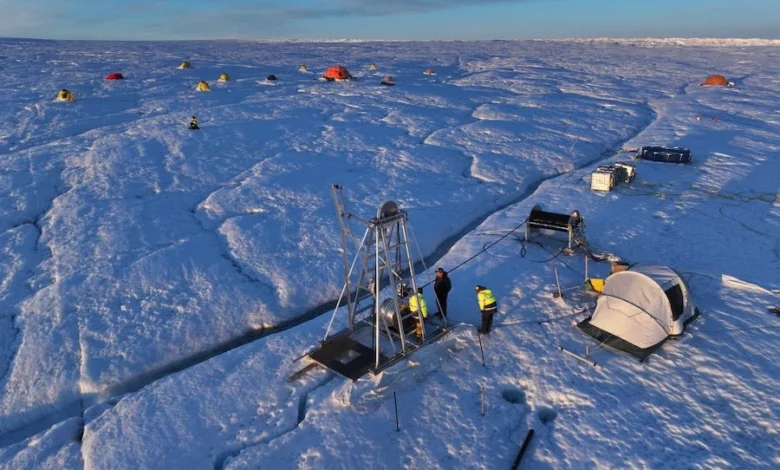
- Permafrost Thaw: The Arctic permafrost holds roughly 2.5 times more carbon than is currently in the atmosphere. As this ground thaws, it releases both CO2 and methane. Emissions from the Arctic and Boreal regions have already increased by 9 percent since 2002.
- Wildfires: Increased wildfire activity, driven by hotter and drier conditions, releases massive "pulses" of methane. California’s 2020 wildfire season alone accounted for nearly 14 percent of the state’s annual methane output.
Public Health and Economic Implications
Reducing methane is not only a climate necessity but a public health imperative. Methane is a primary precursor to ground-level ozone (smog), which causes respiratory illnesses, heart disease, and damaged crop yields.

Current estimates suggest that methane-generated ozone is responsible for approximately 500,000 premature deaths annually. Experts calculate that for every million metric tons of methane reduced, the world could prevent 1,430 deaths, 4,000 asthma-related emergencies, and the loss of 145,000 metric tons of essential crops like wheat and rice.
Global Policy and the Path Forward
The international community took a significant step forward at COP26 with the launch of the Global Methane Pledge. As of early 2025, 159 countries have committed to a collective goal of reducing global methane emissions by at least 30 percent by 2030.
While the pledge represents unprecedented political will, real-world data shows that emissions continue to rise. The International Energy Agency (IEA) maintains that the oil and gas sector could reduce its methane emissions by 70 percent using existing technologies—such as leak detection and repair (LDAR) and the replacement of pneumatic controllers—with 40 percent of these reductions achievable at no net cost.

In the agricultural sector, solutions include shifting to plant-based diets and utilizing innovative feed additives like seaweed (Asparagopsis taxiformis), which has been shown to reduce enteric methane by up to 82 percent. In the waste sector, diverting organic matter from landfills to composting facilities is viewed as a "low-hanging fruit" for rapid mitigation.
Conclusion
The potency of methane presents a unique opportunity in the fight against climate change. Because methane has a relatively short atmospheric lifespan of about 12 years, reducing its emissions today can result in a near-term slowdown of global warming. This "fast-acting" strategy provides a critical buffer while the world works toward the much more difficult task of long-term decarbonization. However, as atmospheric concentrations reach record highs, the window for action is narrowing. Success will require a combination of stringent corporate accountability, satellite-verified transparency, and a fundamental shift in how the global population produces food and energy.