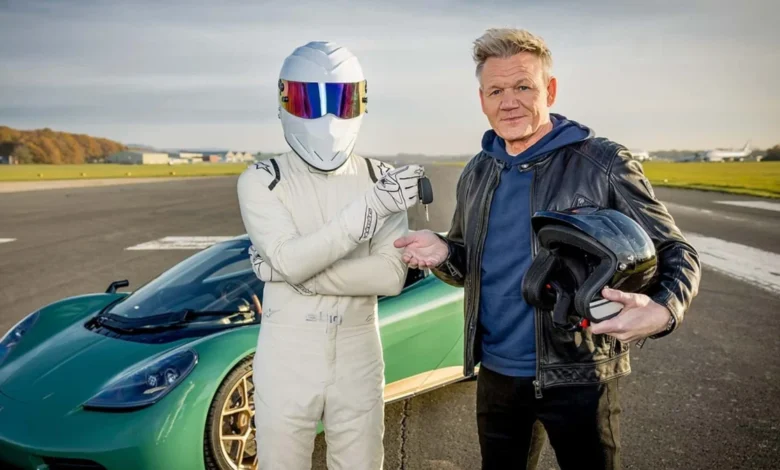
BBC Studios has officially confirmed that world-renowned television personality and chef Gordon Ramsay will serve as the lead host for the revival of the iconic motoring program Top Gear. The announcement marks a significant pivot for the BBC’s flagship automotive show, which has remained in a state of indefinite suspension since the conclusion of 2023. Production for the new series is slated to commence in 2025, with the first episodes scheduled to reach audiences in 2028, signaling a long-term investment by the network to rebuild one of the most recognizable brands in television history.
The decision to appoint Ramsay—a figure synonymous with high-stakes performance and precision—reflects the BBC’s intent to inject what it describes as "fresh energy and ambition" into a franchise that has struggled to find a stable identity in the decade following the departure of its most famous trio.
A Chronology of the Top Gear Hiatus
To understand the weight of this reboot, one must examine the turbulent timeline that led to the show being "rested" at the end of 2023. Top Gear has been the subject of significant industry scrutiny for years, characterized by a mix of high-profile departures, shifting demographics, and, most critically, safety concerns.
The modern era of the program experienced its first major fracture in 2015 when the BBC opted not to renew the contract of Jeremy Clarkson following an altercation with a producer. This decision triggered the subsequent departures of long-time co-hosts James May and Richard Hammond, along with executive producer Andy Wilman. The trio eventually moved to Amazon Prime Video to launch The Grand Tour, leaving the BBC to contend with the monumental task of replacing a globally beloved chemistry that had defined the show for over a decade.
Following the departure of the original team, the BBC attempted several iterations of the format. The 2016 relaunch, featuring Chris Evans and Matt LeBlanc, was met with lukewarm critical reception, leading to further reshuffling. Subsequent years saw the introduction of a new presenting team consisting of Chris Harris, Andrew "Freddie" Flintoff, and Paddy McGuinness. While this trio managed to stabilize the show’s viewership and critical standing, the production came to an abrupt halt in December 2022. During the filming of a review segment at Dunsfold Park Aerodrome, former England cricket star Andrew Flintoff was involved in a high-speed accident that resulted in significant injuries.
The subsequent investigation into the safety protocols of the production led the BBC to suspend filming indefinitely. In November 2023, the broadcaster officially confirmed that it would not resume production on the series for the "foreseeable future," citing the exceptional circumstances of the accident and the need to prioritize the wellbeing of its presenters and crew.
The Ramsay Strategy: A New Direction for Motoring Media
The appointment of Gordon Ramsay as the lead host for the 2028 series is a calculated departure from the traditional mold of automotive journalism. While Ramsay is primarily recognized for his culinary expertise and global restaurant empire, he is also a well-documented automotive enthusiast with a deep personal collection and a history of high-performance driving.
Industry analysts suggest that the BBC is moving away from the "pure" automotive enthusiast presenter toward a "personality-first" strategy. By leveraging Ramsay’s global brand recognition and his reputation for demanding excellence, the network aims to capture a broader demographic that extends beyond the traditional car-buying audience.
"My love for cars has been a constant throughout my life," Ramsay stated in a preliminary briefing following the announcement. "To take the wheel of a show with such a storied history is an immense responsibility. We are not just looking to recreate the past; we are looking to set a new standard for what a motoring program can be in the modern era, bringing fresh energy and ambition to the screen for a new generation of viewers."
While the BBC has not yet confirmed the identities of the other co-hosts, the show’s traditional three-presenter format is under review. There is significant speculation that the production team may experiment with a rotating roster of experts or a departure from the established dynamic entirely to accommodate a more versatile, multi-disciplinary team. Comedian Jimmy Carr, whose name was floated in industry reports prior to the official announcement, remains a subject of speculation, though no formal confirmation has been provided by the studio.
Operational Changes and Safety Standards
The return of Top Gear in 2028 will arrive in a vastly different regulatory and cultural environment than the show of the early 2000s. The BBC has indicated that the production will operate under significantly overhauled safety protocols. The "resting" period was not merely a hiatus for the brand, but a mandatory cooling-off period to facilitate a comprehensive review of how stunts and high-speed segments are managed.
Sources within BBC Studios suggest that the 2028 version will focus more on the future of mobility, including the integration of electric vehicles, sustainable technology, and the evolving culture of car ownership. This thematic shift is intended to distance the show from the controversies of its past and align it with the contemporary automotive landscape.
Broader Implications for the BBC
The revival of Top Gear carries significant financial and strategic implications for the BBC. Despite the internal challenges and the loss of the original trio, the show remains one of the BBC’s most valuable international exports. The brand is licensed to dozens of international territories, and its archival value remains a consistent source of revenue.
However, the cost of failure is high. A failed relaunch could permanently diminish the brand’s equity, making it difficult to justify further investment. By announcing the show nearly three years in advance, the BBC is providing itself with the necessary runway to refine the format, secure talent, and ensure that the production environment meets modern health and safety standards.
For the automotive industry, the return of a mass-market program like Top Gear provides a vital platform for vehicle promotion and consumer education. In an era where the automotive industry is undergoing its most radical transformation since the invention of the internal combustion engine, a show that can communicate these changes to a general audience is highly sought after by manufacturers and stakeholders alike.
Looking Ahead
As production begins in 2025, the industry will be watching closely to see how the partnership between Ramsay and the BBC manifests on screen. The challenge will be to balance the high-octane entertainment that fans expect with the professional rigor required by a modern public service broadcaster.
The success of the 2028 launch will likely depend on whether the producers can successfully blend the high-pressure, high-intensity persona of Ramsay with the technical expertise required for automotive reviews. Furthermore, the ability of the show to move past the legacy of the 2022 accident while maintaining the "Top Gear" identity will be the ultimate test for the production team.
For now, the BBC has provided a clear roadmap: a period of intensive development, a focus on new talent, and a commitment to returning to the screen with a modern vision. Whether this approach will satisfy the millions of viewers who grew up with the show’s previous iterations remains to be seen, but the intent to reclaim a dominant position in the motoring television landscape is clear. As the automotive world shifts toward a new future, so too does the world’s most famous car show.