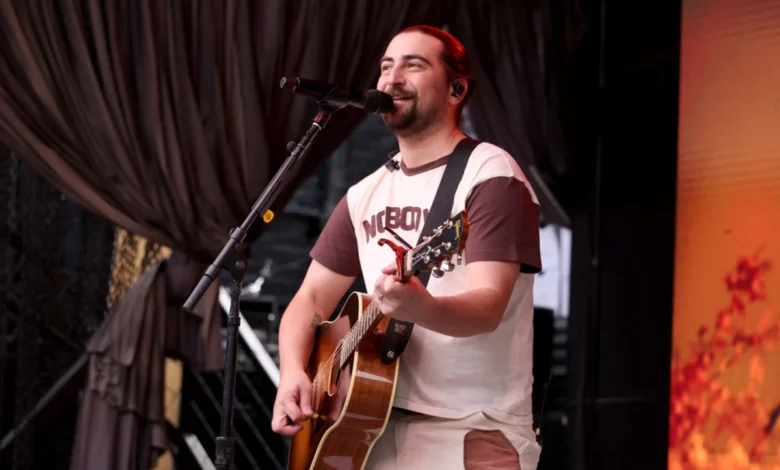
A powerful coalition of some of New England’s most prominent recording artists has penned a fervent letter urging Massachusetts lawmakers to approve recently introduced legislation aimed at capping ticket resale prices. The star-studded group, which includes Grammy-nominated folk-pop sensation Noah Kahan, indie rock pioneers The Pixies, jam band juggernauts Goose, Celtic punk stalwarts Dropkick Murphys, and acclaimed singer-songwriter Aimee Mann, has lent their collective voice to a growing movement to combat predatory ticket scalping that they argue prices out dedicated fans and devalues the live music experience.
The impassioned plea, delivered on Wednesday, underscores a fundamental belief held by the 16 artist-signees: "Live performance should not be a luxury. Our art is not a commodity to be bought and resold at extreme markups against our wishes. People who contribute nothing to live performance should not profit more than the artists, venues, crews, and workers who bring these shows to life." This statement directly addresses the core issue of profit extraction by third-party resellers, often referred to as scalpers or ticket touts, who acquire tickets in bulk and then sell them at inflated prices, far exceeding their original face value.
This significant artistic intervention arrives just one week after Massachusetts Governor Maura Healey formally announced "The Great Divide" Act, the very legislation now at the heart of the artists’ appeal. Coincidentally, the act’s name is a direct nod to Kahan’s latest chart-topping album, highlighting his personal investment and advocacy in this critical issue. Governor Healey articulated the act’s primary objective: to establish a firm cap on resale prices, limiting them to a maximum of 110 percent of the original face value. For instance, a ticket originally priced at $100 would be legally permitted to be resold for no more than $110. Beyond resale price caps, the proposed legislation also seeks to regulate fees charged by secondary ticketing platforms and crucially, to outlaw speculative ticketing. Speculative ticketing is a pervasive practice where brokers list tickets for sale before they have even acquired them, creating a false sense of scarcity and driving up demand and prices.
The artists’ letter vividly details the emotional toll that exploitative ticketing practices take on both creators and their audience. "Few things hurt an artist more than seeing a fan exploited by a ticket reseller," the signatories stated. "It’s heartbreaking to read comments from fans who paid outrageous resale prices, knowing there’s little we can do to help. Every artist signing this letter has experienced that feeling. Predatory resale, scalping, ticket touting, whatever you choose to call it, does more than exploit fans financially. It erodes the trust between artists and the people who support us." This sentiment resonates deeply within the music community, where a strong connection between artists and their fans is often considered the bedrock of a successful and sustainable career. The frustration stems from witnessing devoted followers being priced out of experiencing the art they love, often paying exorbitant amounts to intermediaries rather than directly supporting the artists and the infrastructure that makes live music possible.
Noah Kahan, in particular, has emerged as a leading voice in the push for ticketing reform. His outspokenness in recent months has extended beyond the current Massachusetts initiative. He has also actively supported a similar ticketing reform law recently passed in his home state of Vermont, demonstrating a consistent commitment to addressing this issue across regional boundaries. This dual advocacy showcases a broader concern for fan access and fair practices within the live entertainment industry.
The artistic endorsement of "The Great Divide" Act is bolstered by significant support from influential industry organizations. Groups such as the Music Artist Coalition, the National Independent Talent Organization, and the Future of Music Coalition have publicly aligned themselves with the legislation, further amplifying its importance and the urgency for its passage. These organizations represent a broad spectrum of professionals within the music ecosystem, from artists and managers to independent promoters and record labels, all of whom are impacted by the current ticketing landscape.
Ron Gubitz, Executive Director of the Music Artists Coalition, articulated the shared goals of artists and fans in a strong statement of support: "Artists and fans want the same thing: a fair shot at getting into the room where the music happens. Speculative tickets and runaway resale fees break that deal for everyone except the industrial-scale ticket flippers. The Great Divide Act draws that line clearly. Massachusetts, led by Gov. Healey and Sen. Fernandes, is leading the country here with this strong set of reforms." His words emphasize that the proposed legislation aims to restore a sense of fairness and accessibility, challenging the dominance of large-scale ticket brokers who, as he notes, profit disproportionately from the system.
The Massachusetts bill is not an isolated development but rather reflects a burgeoning national trend of legislative efforts aimed at curbing ticket scalping. States across the country are increasingly recognizing the need for intervention in the secondary ticket market. Maine enacted price caps on resale tickets last year, while California and New York have introduced similar legislative proposals in the current year. Just last week, Washington, D.C. also approved a price cap on concert ticket resales, signaling a growing consensus among policymakers about the detrimental effects of unchecked scalping. This wave of legislative action suggests a growing awareness of the systemic issues within ticket distribution and a collective effort to create a more equitable marketplace for consumers and creators alike.
Background and Chronology of the Legislation
The push for comprehensive ticket reform in Massachusetts has been gaining momentum over the past year. Governor Maura Healey’s introduction of "The Great Divide" Act last week marks a significant milestone. This legislation follows a period of increasing public outcry and artist advocacy regarding the challenges of accessing tickets for popular events.
Prior to the bill’s introduction, artists like Noah Kahan have been vocal critics of the current system. Kahan’s support for Vermont’s recently passed ticketing law, which also aims to regulate resale markets, demonstrates a proactive approach to addressing these issues in his home region. The timing of the artists’ letter, released shortly after the bill’s announcement, suggests a coordinated effort to leverage public attention and exert pressure on legislators.
The legislation itself, "The Great Divide" Act, is designed with several key provisions:
- Resale Price Cap: Limiting resale prices to a maximum of 110% of the original face value.
- Secondary Ticketing Fee Caps: Regulating the fees charged by online ticket resale platforms.
- Ban on Speculative Ticketing: Prohibiting the listing and sale of tickets that the seller does not yet possess.
These measures are intended to create a more transparent and fan-friendly ticketing environment, ensuring that original purchasers or those buying through regulated resale channels do not face exorbitant markups.
The Artists’ Letter: A Powerful Statement of Solidarity
The full text of the letter penned by the New England artists provides further insight into their motivations and concerns:
"We write as artists who believe deeply in the power of live performance. Shows are where families make memories, where young people discover who they are, and where entire rooms of people share something that cannot be recreated anywhere else. We want these moments to be accessible to everyone, not just those who can afford prices driven by a broken ticket resale market.
Live performance should not be a luxury. Our art is not a commodity to be bought and resold at extreme markups against our wishes. People who contribute nothing to live performance should not profit more than the artists, venues, crews, and workers who bring these shows to life.
Few things hurt an artist more than seeing a fan exploited by a ticket reseller. It’s heartbreaking to read comments from fans who paid outrageous resale prices, knowing there’s little we can do to help. Every artist signing this letter has experienced that feeling. Predatory resale, scalping, ticket touting, whatever you choose to call it, does more than exploit fans financially. It erodes the trust between artists and the people who support us.
We know how much our fans give to be part of these moments. They plan, they save, and they show up. Our fans support us without hesitation, and we owe it to them to stand up for a system that doesn’t shut them out.
Massachusetts is acting to protect our fans by capping resale at 110%, banning speculative tickets and cracking down on deceptive websites. We respectfully ask Massachusetts legislators to stand up for their constituents by protecting fair access to live performances and supporting these reforms."
The signatories included:
- Noah Kahan
- Dropkick Murphys
- The Pixies
- Goose
- Aimee Mann
- Killswitch Engage
- Shadows Fall
- Four Year Strong
- New England Metal and Hardcore Fest
- A Loss For Words
- All That Remains
- Flawed Mangoes
- Mark Erelli
- Melissa Ferrick
- Mission of Burma
- Ryan Montbleau
This extensive list, spanning various genres and levels of fame within the New England music scene, underscores the widespread concern among musicians about the current state of ticket sales.
Broader Impact and Implications
The passage of "The Great Divide" Act, if approved by the Massachusetts legislature, could have significant implications for the live music industry within the state and potentially serve as a model for other states. By establishing a clear regulatory framework for ticket resales, the legislation aims to:
- Increase Fan Accessibility: Making tickets more affordable and attainable for genuine fans, fostering a more inclusive concert-going experience.
- Protect Artists’ Livelihoods: Ensuring that artists and the extensive crews and venues that support them receive a fairer share of revenue, rather than it being siphoned off by intermediaries.
- Enhance Market Transparency: Reducing the opacity of the secondary ticket market and combating deceptive practices that disadvantage consumers.
- Boost Local Economies: By allowing more fans to attend events, it can positively impact local businesses surrounding venues.
The artists’ involvement in this legislative push highlights the growing influence of musicians in advocating for industry-wide reforms. Their collective voice, amplified by their fan bases, carries significant weight and can sway public opinion and political action. The success of "The Great Divide" Act could embolden other states to consider similar measures, potentially leading to a national shift in how live event tickets are bought, sold, and resold. This movement signifies a critical juncture where artists are actively participating in shaping the economic and ethical landscape of the entertainment industry, prioritizing fan access and the integrity of live performance over unchecked market speculation.