New MIT Study Explores Improving Autonomous Driving Tech By Letting The Car Tell You What It’s Doing And Why

The Problem of the Black Box
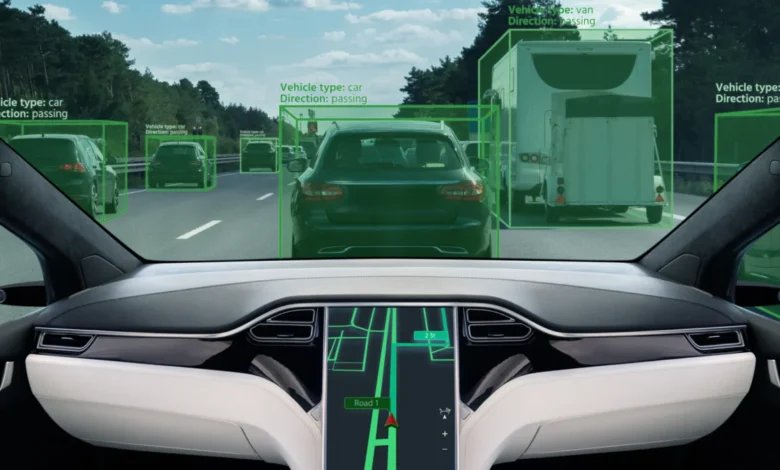
The primary friction point in modern autonomous driving technology is the "black box" nature of deep learning. Current systems rely on vast neural networks to process sensor data—LiDAR, radar, and cameras—to make split-second driving decisions. However, these systems often fail to articulate the logic behind those decisions. When a vehicle brakes unexpectedly or stalls at an intersection, the human passenger is frequently left in the dark, leading to anxiety, loss of trust, and in some cases, dangerous intervention or lack thereof.
Recent regulatory discourse, including the U.S. Department of Transportation’s current push toward streamlining AV deployment, has reignited the debate over safety standards. Critics argue that removing physical redundancies, such as brake pedals or manual overrides, assumes a level of perfection that existing AV technology has yet to demonstrate. High-profile incidents involving robotaxis blocking emergency vehicles, failing to recognize pedestrians, or colliding with infrastructure have underscored the necessity for more robust human-machine interfaces (HMI).
The Concept-Wrapper Network: Translating AI Logic
The CW-Net represents a departure from traditional "end-to-end" black-box driving models. By training an algorithm on a dataset comprising 130 million annotated examples of driving scenarios, the researchers have effectively taught the machine to map its internal data patterns to human-understandable concepts.
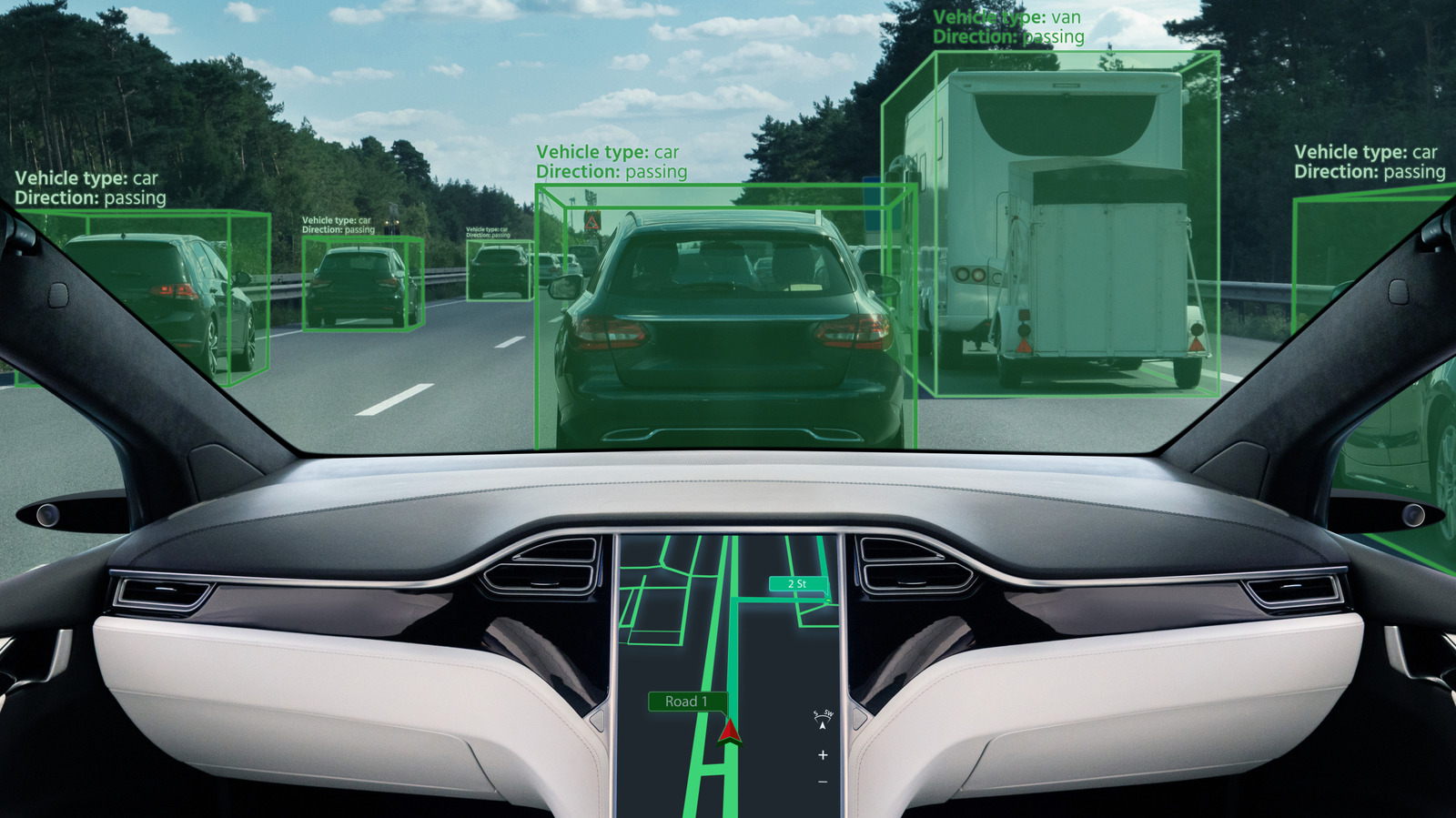
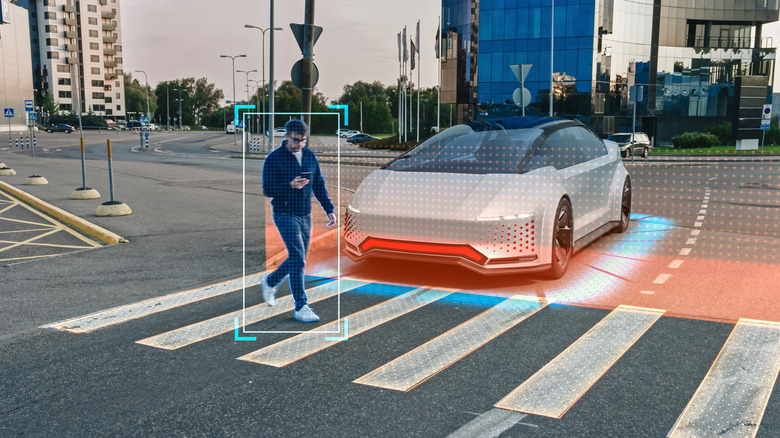
The network functions as a translator. When the vehicle’s primary AI decides to decelerate, the CW-Net processes the underlying variables—such as the presence of a traffic cone or a pedestrian—and converts that data into a natural language or visual notification for the driver. In testing, this provided immediate benefits. For instance, when an AV stopped abruptly, the human occupant initially assumed it was due to a nearby traffic cone. However, the system’s output correctly identified that it was "approaching a stopped vehicle," allowing researchers to diagnose a discrepancy between the car’s perception and the human’s expectation.
This diagnostic capability is transformative for software developers. By seeing exactly what the vehicle identifies as a hazard, engineers can fine-tune the AI’s sensitivity, addressing systemic failures such as the difficulty many AVs currently face in accurately detecting cyclists or navigating complex, unmapped intersections.
Timeline of AV Evolution and Safety Concerns
The trajectory of autonomous vehicle development has been marked by a transition from controlled, academic environments to public, high-stakes testing.
- 2010s (The Experimental Phase): Initial deployment of Level 2 and Level 3 driver-assistance systems (ADAS) by manufacturers like Tesla. These systems promised convenience but led to "automation bias," where drivers become over-reliant on the technology, failing to intervene during critical system failures.
- 2020–2023 (The Scaling Phase): Companies like Waymo, Cruise, and Zoox deployed robotaxis in select urban environments. This era saw an increase in documentation regarding system "hiccups," including the blocking of ambulances and confusion at crosswalks.
- 2024–2025 (The Regulatory Shift): The U.S. government shifted focus toward rapid deregulation to maintain a competitive edge in the global AI race. This shift prompted intense scrutiny from safety advocates regarding the removal of traditional mechanical controls.
- 2026 and Beyond: The integration of "interpretable AI" modules like MIT’s CW-Net marks the beginning of the "Human-Centric AV" era, where safety is predicated on the ability of the car to communicate its intent.
Industry-Wide Implications
The application of this technology extends beyond fully autonomous vehicles. Advanced Driver Assistance Systems (ADAS) like GM’s Super Cruise and Ford’s BlueCruise require constant human monitoring. These systems often struggle with "disengagement," where the driver stops paying attention due to the perceived reliability of the system. By providing real-time audio or visual feedback—such as "I am slowing down because the car ahead is braking"—the vehicle keeps the human in the loop, potentially reducing the likelihood of catastrophic accidents.
Other academic institutions are pursuing complementary strategies. NYU’s Tandon School of Engineering is exploring vehicle-to-vehicle (V2V) communication, which would allow a car in Manhattan to "teach" a car in Brooklyn about specific road hazards, effectively crowdsourcing road intelligence. Simultaneously, UCLA’s Mobility Lab is working on cooperative perception, where vehicles share sensor data to eliminate blind spots caused by physical obstacles like trees or buildings.
Analysis: A Necessary Pivot?
The MIT-Motional study suggests that the future of autonomous driving may not rely solely on the "intelligence" of the computer, but on the quality of the dialogue between the machine and the human. If an AV can explain its actions in real-time, it transforms from a mysterious, potentially dangerous actor into a predictable partner.
However, the implementation of such systems faces hurdles. First, there is the challenge of "information overload." If a car notifies the driver of every decision it makes, it could lead to cognitive fatigue. Researchers must find the "Goldilocks" zone—providing enough information to build trust and ensure safety without distracting the occupant.
Second, the regulatory environment remains a significant variable. While scientists are focusing on transparency, the legislative trend is currently leaning toward rapid, high-volume deployment. There is a tangible risk that as long as the market demands speed, companies may prioritize performance metrics over the integration of communication layers like the CW-Net, which could potentially slow down the AI’s reaction times.
Looking Ahead
The path to widespread adoption of autonomous vehicles is littered with technical and social challenges. The industry has reached a plateau where simply adding more data to the training sets is no longer yielding the exponential safety improvements seen in the previous decade. The shift toward "interpretable AI" is an admission that the machine cannot be fully trusted until it can be understood.
As the Department of Transportation continues to evaluate the role of manual controls in future vehicles, the findings from the MIT study provide a strong argument for safety-first development. The ability of a vehicle to explain its reasoning could be the key to moving beyond the current skepticism surrounding AVs. While the current political climate may favor deregulation, the engineering community is clearly moving toward a standard of transparency that, if adopted, could redefine the relationship between humans and the machines that transport them. For now, the "talking car" remains a crucial experiment in the broader effort to make the roads safer for everyone.