Transport giant buys Australia’s first solar-powered battery-electric refrigeration unit after 1,671 km freight trial

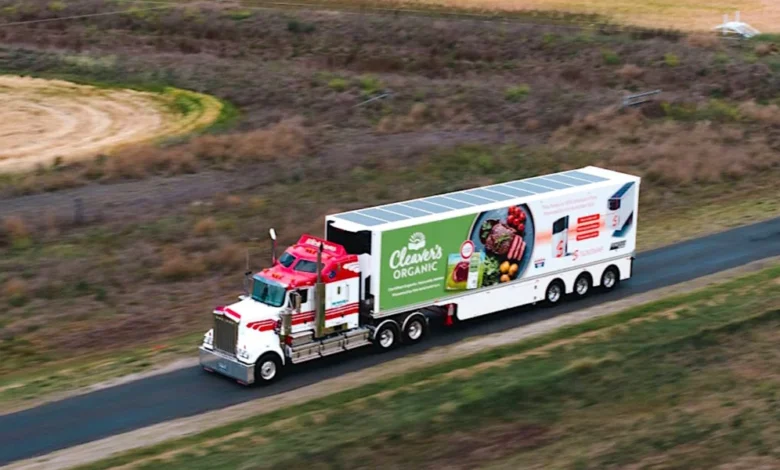
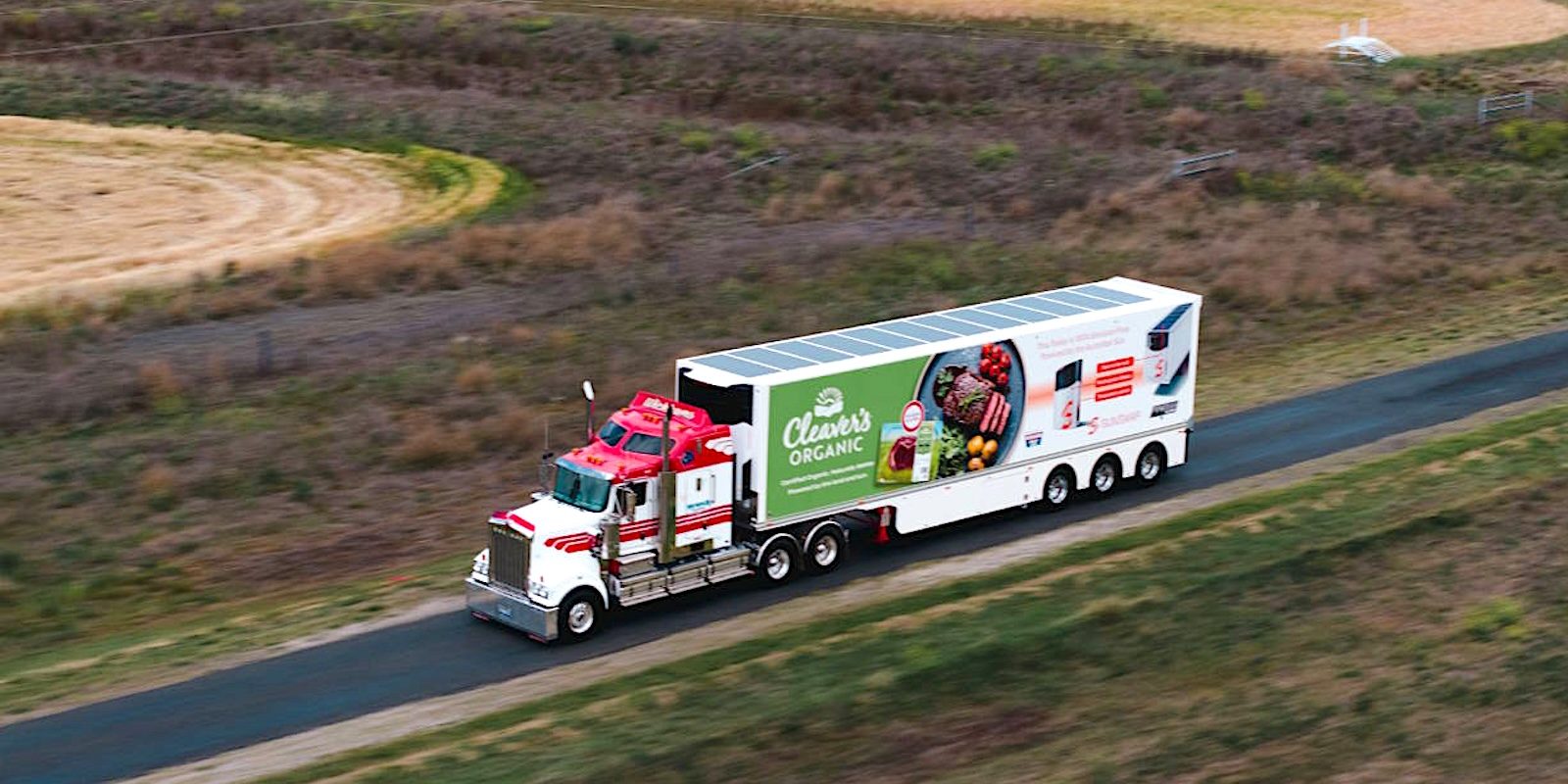
The transition toward sustainable commercial logistics in the Asia-Pacific region has reached a notable milestone with the commercial deployment of Australia’s first regular-production, solar-powered battery-electric trailer refrigeration unit (TRU). Wickham Freight Lines, a prominent family-owned transport and logistics enterprise operating along the country’s eastern seaboard, officially took delivery of the revolutionary reefer system this week. This acquisition marks a departure from conventional cold-chain transport methodologies, offering a glimpse into how the heavy freight sector might reconcile the stringent temperature requirements of perishable goods with aggressive corporate and municipal decarbonization goals.
The deployment follows a rigorous, real-world freight trial conducted over the Australian summer. During this evaluation phase, the unit was subjected to a demanding 1,670-kilometer round-trip route between Sydney and Brisbane, spanning more than 30 hours of continuous driving. The successful completion of this journey—with significant battery reserves remaining—has validated the operational viability of solar-assisted electric refrigeration in heavy transport, providing fleet operators with a tangible alternative to legacy fossil-fuel systems.
The Environmental and Operational Paradox of Traditional Reefers
For decades, the cold chain—the uninterrupted series of temperature-controlled production, storage, and distribution activities—has relied heavily on diesel-powered trailer refrigeration units. While semi-truck tractors have increasingly benefited from aerodynamic designs, hybrid powertrains, and emerging zero-emission technologies, the refrigerated trailers they pull have remained stubborn contributors to environmental degradation.
Traditionally, these reefers are powered by dedicated, high-sulfur, red-dye diesel generators. Operating independently of the main truck engine, these auxiliary power units run continuously around the clock to maintain the sub-zero or chilled environments required for transporting fresh produce, dairy, meats, and pharmaceuticals. Even when a modern, fully electric prime mover is hitched to the trailer, the legacy reefer unit continues to burn fossil fuels.
The environmental toll of this constant combustion is disproportionately high. These diesel engines typically lack the sophisticated exhaust after-treatment systems found in modern on-road vehicle engines, resulting in significant emissions of carbon dioxide (CO2), particulate matter, and nitrogen oxides (NOx). Because reefers frequently idle while waiting at distribution centers, loading docks, or roadside rest stops—often situated near residential neighborhoods or urban distribution hubs—they also generate severe local air pollution and persistent low-frequency noise.
With municipalities worldwide tightening noise ordinances and enacting low-emission zones, logistics operators face mounting regulatory pressure to clean up their operations. Furthermore, corporate sustainability frameworks increasingly demand verifiable Scope 1 emissions reductions across the entire supply chain. Finding a zero-emission alternative that matches the reliability and uptime of diesel has consequently become one of the logistics industry’s most pressing engineering challenges.
The Genesis of the Sunswap Endurance
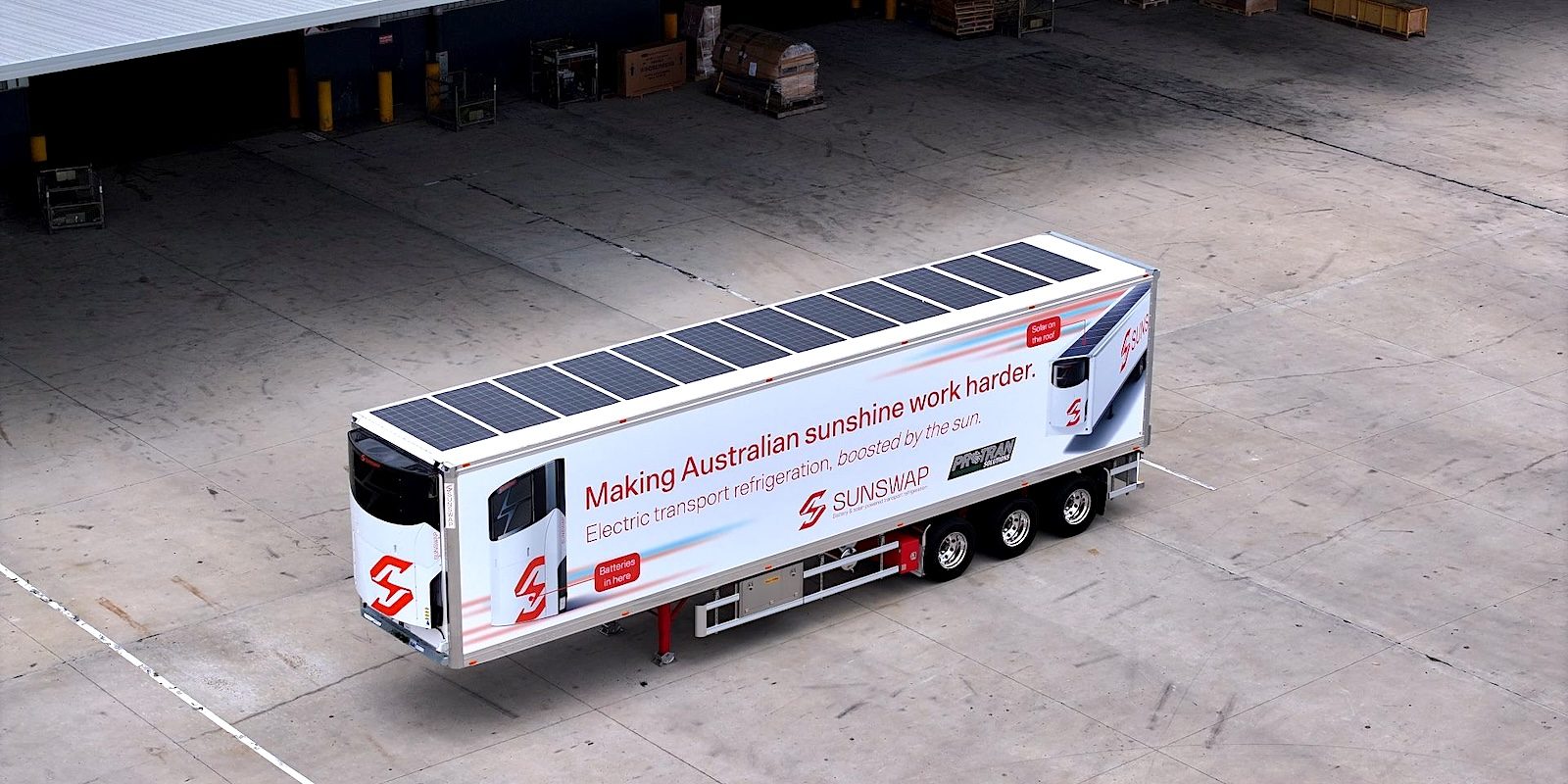
Enter clean-tech innovators and manufacturers of advanced transport refrigeration systems, who have sought to decouple cold-chain logistics from the internal combustion engine. Among them is Sunswap, the developer of the Endurance system—a purpose-built, battery-electric trailer refrigeration unit designed from the ground up to harness renewable energy.
The Sunswap Endurance integrates high-capacity onboard energy storage with advanced photovoltaic solar panels mounted directly on the roof of the trailer. This combination allows the unit to continuously capture solar energy while in transit or parked, supplementing the battery pack and significantly extending operational range without burning a single drop of diesel. The system is engineered to maintain precise temperature setpoints regardless of ambient weather conditions, addressing the core reliability concerns historically associated with early-generation electric auxiliary systems.
The technology made its official Australian debut earlier this year at the HVIA TruckShowX event held in the Hunter Valley in May. Industry observers noted at the time that the system represented a pragmatic approach to fleet electrification: rather than requiring an overhaul of the entire tractor unit, it targeted the specific auxiliary load responsible for a disproportionate share of a trailer’s operational emissions.
The Sydney-to-Brisbane Trial: Putting Theory to the Test
To evaluate whether the Sunswap Endurance could withstand the rigors of Australia’s demanding climate and long-haul distances, Wickham Freight Lines integrated the prototype unit into its active commercial fleet for a trial run. The chosen route—from Sydney to Brisbane and back—is a cornerstone of eastern seaboard logistics, characterized by varying terrain, heavy traffic, and fluctuating ambient temperatures that test both mechanical durability and thermal management efficiency.
Operating under standard commercial conditions rather than a sanitized test track, the reefer was loaded with commercial freight and managed by regular drivers instructed to treat the equipment as they would any standard diesel-powered unit. The objective was to determine whether the solar generation and battery capacity could reliably sustain the cold chain over a multi-day journey encompassing more than 1,670 kilometers of highway driving.
The results exceeded expectations. Upon completing the arduous round trip, the telemetry data revealed that the unit’s battery system still retained more than 65% of its total capacity. This substantial residual charge demonstrated not only the high efficiency of the refrigeration machinery and the insulation properties of the trailer, but also the consistent energy harvest provided by the roof-mounted solar arrays during daylight hours.
Commercial Validation and Leadership Perspective
For a major enterprise like Wickham Freight Lines, which manages a large fleet dedicated to moving sensitive cold-chain cargo across vast distances, environmental stewardship must align with strict commercial realities. The success of the summer trial transformed initial curiosity into definitive purchasing intent.

Graham Keogh, director at Wickham Freight Lines, reflected on the decision-making process following the trial’s completion. "I put the Sunswap Endurance into the fleet and told the team to stretch it—treat it as a normal unit," Keogh noted. "We were genuinely impressed. I’m a true believer. I love the technology and I’m not a true tech person whatsoever. You can just see that it’s a winner… the performance, reliability, and operational savings were beyond what we expected."
Keogh emphasized that for a regional transport business operating heavily along the eastern corridor, the transition to solar-electric refrigeration is no longer merely an experimental sustainability initiative, but a sound economic strategy. By eliminating diesel consumption for refrigeration, the company effectively removes exposure to volatile fuel pricing, reduces engine maintenance intervals associated with small diesel generators, and insulates its operations from upcoming environmental regulations.
Broader Implications for the Freight and Logistics Sector
The commercial adoption of Australia’s first solar-powered electric reefer by an established transport giant signals a potential inflection point for the broader freight industry. Several key implications emerge from this deployment:
-
Regulatory Future-Proofing: As federal and state governments in Australia and other developed markets introduce stricter emissions standards and urban access restrictions for high-polluting commercial vehicles, early adopters of zero-emission auxiliary equipment position themselves well ahead of compliance mandates.
-
Total Cost of Ownership (TCO) Shift: While the upfront capital expenditure for advanced battery-electric and solar-integrated units typically exceeds that of conventional diesel reefers, the operational savings—driven by the elimination of diesel fuel costs and reduced mechanical wear and tear—offer a clear pathway to return on investment over the asset’s lifecycle.

-
Grid and Infrastructure Independence: A distinct advantage of the Sunswap Endurance architecture is its reliance on integrated solar generation. While depot charging infrastructure remains vital for full fleet electrification, the onboard solar arrays provide a degree of energy autonomy, reducing the immediate strain on commercial charging hubs during long-haul transits.
-
Supply Chain Credibility: As multinational consumer goods and pharmaceutical companies face intense scrutiny regarding their Scope 3 emissions (indirect emissions occurring in the value chain, including upstream and downstream transportation), logistics partners capable of offering zero-emission cold-chain transport will secure a distinct competitive advantage in service contracts.
Conclusion and Outlook
The integration of the Sunswap Endurance into Wickham Freight Lines’ operational fleet represents more than a single equipment purchase; it serves as a practical demonstration that the heavy transport sector can successfully transition away from legacy fossil-fuel reliance without compromising service reliability or cargo integrity.
As this technology transitions from exhibition floors to commercial highways, industry analysts will closely monitor maintenance metrics, battery longevity, and real-world fuel-cost offsets. If subsequent deployments match the performance of the inaugural Sydney-to-Brisbane trial, the sight of solar panels quietly powering the nation’s fresh food and pharmaceutical supply chain may soon transition from an innovative novelty to the operational standard of modern logistics.