New York Becomes First U.S. State to Mandate All-Electric Construction for New Buildings

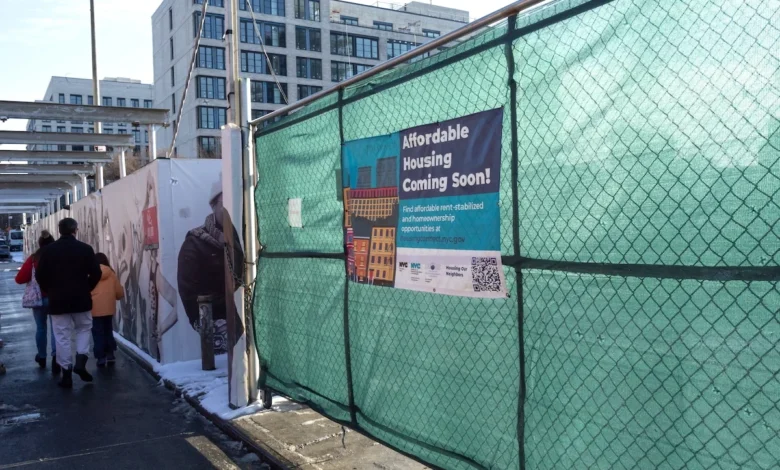
New York has officially cemented its status as a pioneer in climate policy, becoming the first state in the nation to enact a comprehensive mandate requiring new construction projects to move away from fossil fuel hookups in favor of full electrification. This landmark regulatory shift, finalized by the State Fire Prevention and Building Code Council in late July 2025, represents a significant turning point in the effort to decarbonize the built environment. By requiring that new residential, commercial, and industrial structures rely exclusively on electric systems—such as heat pumps and electric induction stoves—the state is taking a structural approach to meeting its aggressive climate goals.
The Path to Electrification: A Legislative Chronology
The journey toward this mandate began in earnest during the 2023 legislative session, when the New York State Assembly and Senate passed the All-Electric Buildings Act. The legislation was born out of a necessity to address the state’s massive carbon footprint, of which the building sector serves as a primary contributor.
However, the path to implementation was not without significant turbulence. Following the passage of the act, various trade groups and fossil fuel industry advocates launched legal challenges. These entities argued that the state’s move was preempted by federal regulations, specifically citing the legal strategy that successfully challenged a local natural gas ban in Berkeley, California.
The turning point occurred in July 2025, when the U.S. District Court for the Northern District of New York delivered a decisive ruling. The court affirmed the state’s authority to move forward with the mandate, effectively clearing the path for the Code Council to finalize the specific building codes. This legal victory provided the regulatory certainty needed for developers and architects to begin aligning their project designs with the new standards.
Scope and Implementation Timeline
The transition to an all-electric building code will occur in phases to allow the construction industry time to adapt to new technologies and supply chain demands. According to the state’s mandate, residential buildings up to seven stories tall, as well as commercial and industrial facilities with a footprint of up to 100,000 square feet, must comply if their initial building permit applications are approved on or after December 31, 2025.
For larger-scale projects, the timeline is slightly more extended. Commercial and industrial buildings exceeding 100,000 square feet are granted a longer lead time, with full compliance required by 2029. This staggered approach is designed to mitigate potential logistical bottlenecks and allow the market for high-capacity electric heating and cooling systems to mature sufficiently to meet the increased demand.
The mandate is not universal, however. To account for technical limitations and public safety needs, the regulation includes specific exemptions. Agricultural buildings, medical facilities, crematoriums, laboratories, and restaurants—where specialized high-heat requirements or specific operational protocols may currently necessitate fossil fuel combustion—are among the categories provided with relief from the total electrification requirement.
The Environmental and Economic Rationale
The impetus for this mandate is rooted in cold, hard data. According to the New York State Department of Environmental Conservation, buildings account for approximately 31% of all greenhouse gas emissions within the state. This figure encompasses everything from space heating and water heating to cooking and industrial processes. By eliminating the reliance on gas pipelines and combustion-based heating systems, the state aims to achieve a dramatic reduction in its overall carbon output.
Beyond the environmental imperative, there is a strong economic argument for the transition. Data from the New Buildings Institute suggests that while the initial shift toward electrification may involve changing long-standing construction habits, it often yields long-term financial benefits. Studies have indicated that building a 100% electric single-family home can result in construction cost savings ranging from $7,500 to $8,200 compared to traditional, fossil-fuel-dependent homes. These savings are primarily derived from the elimination of gas infrastructure installation, such as service lines, meters, and venting systems.
Furthermore, residents stand to benefit directly from reduced utility volatility. Projections suggest that the electrification of new homes could reduce total energy usage by approximately 17%. Over a 30-year period, this translates to an estimated savings of nearly $5,000 per household, insulating residents from the historical price fluctuations of the natural gas market.

Stakeholder Perspectives and Official Responses
The finalization of the code has sparked a range of reactions across the political and industrial spectrum. Proponents of the legislation, including climate advocacy groups like PUSH Buffalo and Food & Water Watch, view the ruling as a monumental win for both environmental health and economic justice.
"The fossil fuel industry was sent a powerful message by the court in this case—the health, well-being, affordability, and prosperity of our communities matters more than the industry’s profits and the hollowness of its fear-mongering," said Dawn Wells-Clyburn, executive director of PUSH Buffalo.
Advocates argue that this policy also addresses public health concerns. Fossil-fuel-powered appliances are known to emit nitrogen dioxide, carbon monoxide, and fine particulate matter, which are linked to respiratory issues, particularly in children and vulnerable populations. By mandating electric alternatives, the state is effectively improving indoor air quality for the next generation of New Yorkers.
Conversely, industry groups remain wary. Despite the recent court victory, some industry associations have requested the U.S. Department of Justice to intervene, arguing that the mandate infringes on consumer choice and could lead to grid strain. These groups maintain that the rapid pace of transition may outstrip the current capacity of the state’s electrical grid, potentially leading to reliability concerns during peak winter heating months.
Implications for the Built Environment
The implementation of the All-Electric Buildings Act forces a fundamental rethink of urban planning and development in New York. Architects and developers are now tasked with integrating high-efficiency heat pumps, which perform exceptionally well even in cold climates, and ensuring that electrical panels are sized to handle the increased load of a fully electrified home.
This transition is expected to act as a catalyst for the green building sector, driving innovation in geothermal heating, advanced building envelopes, and smart grid technology. As New York leads the way, other states and municipalities—many of which have been watching the legal and regulatory developments in the Empire State—are likely to use this framework as a blueprint for their own decarbonization strategies.
The success of this initiative will ultimately depend on the state’s ability to modernize its electrical grid and provide the necessary incentives for developers to transition smoothly. While the act is currently in effect, it remains subject to ongoing monitoring. If it succeeds in lowering costs and reducing emissions as projected, it could serve as the most significant piece of climate legislation in the United States since the implementation of federal clean energy incentives.
Looking Toward the Future
While the current focus is on new construction, policymakers and advocates have already turned their sights toward the next challenge: the existing building stock. Because a significant portion of New York’s emissions comes from older structures, the debate over how to retrofit existing homes and businesses remains the next major frontier in the state’s climate agenda.
"That is how we won this bill," noted Alex Beauchamp, Northeast region director at Food & Water Watch. "It’s also how we are going to continue the fight to get fossil fuels out of all the existing buildings in the state."
For now, the mandate stands as a landmark achievement, signaling to the construction, real estate, and energy industries that the era of fossil-fuel-dependent architecture in New York is drawing to a close. As the state moves toward the December 31, 2025, implementation date, all eyes will be on the construction sector to see how it navigates this historic shift toward a cleaner, electric future.