Precision Oral Medicine: Scientists Pioneer Targeted Light-Activated Therapy to Combat Gum Disease Without Disrupting Beneficial Microbiome

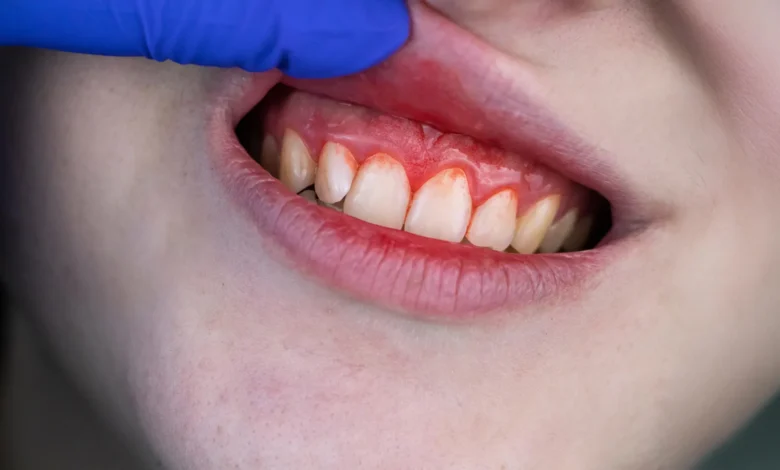
In a significant leap forward for periodontal medicine, researchers at Nagoya University in Japan have unveiled a revolutionary treatment for gum disease that utilizes a "seek-and-destroy" approach to eliminate pathogens while preserving the delicate balance of the oral microbiome. Published in the Journal of Translational Medicine, the study introduces a technology known as near-infrared photo-antibacterial targeting therapy (NIR-PAT²), which repurposes cancer-fighting methodologies to address the root causes of periodontitis—a chronic inflammatory condition affecting nearly half of adults over the age of 30 globally.
The Problem with Traditional Antimicrobial Paradigms
For decades, the standard of care for periodontitis has relied heavily on broad-spectrum antibiotics and antimicrobial photodynamic therapy (aPDT). While these treatments are effective at reducing bacterial loads, they are inherently indiscriminate. By sweeping through the oral cavity like a blunt instrument, they eradicate both the pathogenic bacteria driving the disease and the commensal, or "good," bacteria that form the first line of defense in maintaining oral health.
The primary target of the Nagoya University team is Porphyromonas gingivalis, a keystone pathogen. In a healthy oral environment, P. gingivalis exists in small, manageable numbers. However, when the microbial community is disturbed, this pathogen flourishes, triggering a systemic inflammatory response that destroys the alveolar bone—the structural foundation of the teeth.
"Current treatments for periodontitis, including antibiotics and aPDT, eliminate both pathogenic and beneficial oral bacteria," explains Kazuhide Sato, a lecturer at Nagoya University and a corresponding author of the study. Beyond the collateral damage to the microbiome, these conventional methods often trigger the release of lipopolysaccharide (LPS), an endotoxin that further inflames the gums, potentially worsening the very condition the treatment aims to cure.
Engineering a Precision Weapon: The NIR-PAT² Approach
The Nagoya University team, led by first author Hiroshi Maruyama and researchers including Hideharu Hibi and Kiyoshi Sakai, sought a mechanism that could distinguish between a healthy cellular environment and a pathogenic one. They turned their attention to near-infrared photoimmunotherapy—a technique currently gaining traction in oncology for its ability to target tumor cells with surgical precision.
The researchers adapted this technology by utilizing IgY antibodies derived from the egg yolks of hens immunized against P. gingivalis. This choice of antibody is both strategic and practical; IgY can be mass-produced at a lower cost than monoclonal antibodies, providing a scalable solution for future clinical applications. These antibodies are conjugated with a light-sensitive dye. Once the compound is applied to the site of infection, the antibodies bind exclusively to the surface of P. gingivalis.
When exposed to near-infrared light, the dye undergoes a localized activation, creating physical stress on the bacterial cell membrane. Unlike conventional light therapy, which often causes the pathogen to rupture—releasing inflammatory endotoxins in the process—the NIR-PAT² technique appears to kill the bacteria while maintaining their structural integrity. By creating microscopic pores in the membrane rather than shattering the cell, the treatment effectively neutralizes the pathogen without triggering the inflammatory cascade that typically accompanies bacterial lysis.
Experimental Chronology and Laboratory Findings
The path to this discovery involved rigorous validation across several experimental stages. The researchers first established the baseline efficacy of the antibody-dye conjugate in in vitro human cell cultures. The results were conclusive: the compound demonstrated a high affinity for P. gingivalis while leaving neighboring oral microbes and healthy gum cells entirely unaffected.
Subsequent testing moved to murine models, where the impact on periodontitis-induced bone loss was quantified. Mice treated with NIR-PAT² showed a marked reduction in alveolar bone degradation compared to control groups treated with traditional antimicrobial methods. Microscopic analysis of the animals’ oral cavity revealed that while P. gingivalis populations were significantly diminished, the levels of beneficial Streptococcus bacteria remained stable. In contrast, the control groups subjected to traditional antibiotics showed a profound decline in total bacterial diversity, highlighting the "scorched earth" nature of current treatments.
Implications for Systemic Health and Future Research
The implications of this research extend far beyond the dentist’s chair. Periodontitis is now widely recognized by the medical community as a "gateway" disease linked to various systemic health issues, including type 2 diabetes, cardiovascular disease, and rheumatoid arthritis. The persistent inflammation caused by oral pathogens can allow bacteria or their toxic byproducts to enter the bloodstream, potentially exacerbating inflammatory processes in distal organs.
By managing periodontitis with a precision approach, clinicians may eventually be able to prevent the systemic inflammatory "leakage" associated with poor oral hygiene. However, the researchers are cautious about the road ahead. Periodontitis is a polymicrobial disease, meaning it is rarely caused by a single species. While P. gingivalis is a major culprit, it is often part of a larger, complex "red complex" of bacteria that cooperate to sustain the disease.
"We recognize that periodontitis is a complex disease involving multiple bacterial species," Sato noted. To bridge this gap, the team is currently pivoting toward artificial intelligence (AI). By utilizing large, publicly available datasets on oral microbial interactions, the researchers hope to map the complex social network of the oral microbiome. AI-driven analysis will be instrumental in identifying additional "keystone" targets, allowing for the development of multi-pronged, personalized therapies.
The Path to Clinical Translation
While the findings are a breakthrough in laboratory settings, the researchers emphasize that human clinical trials remain the necessary next step. The transition from mice to humans requires rigorous safety profiling to ensure that the light-activated dye and antibody complexes do not cause adverse reactions in the delicate tissues of the human gingiva.
The economic viability of the treatment is also a key factor in its future adoption. The use of egg-derived antibodies offers a significant advantage in terms of cost-efficiency, potentially lowering the barrier to entry for patients who currently struggle to afford advanced periodontal care. If successfully commercialized, NIR-PAT² could shift the paradigm of dentistry from reactive, broad-spectrum treatment to proactive, precision-guided management.
As the scientific community reviews these findings, the consensus is clear: the era of indiscriminate antibiotic use in dentistry may be drawing to a close. By leveraging the body’s own immune responses—in this case, via avian-derived antibodies—and combining them with advanced physics, scientists are moving closer to a future where oral disease is treated with the same level of specificity as the most advanced cancer therapies. This shift not only promises to save teeth but also offers a template for how we might manage complex microbial communities throughout the human body, preserving health by respecting the essential balance of our internal ecosystems.
Related posts: