
Tag Indian Stock Exchange
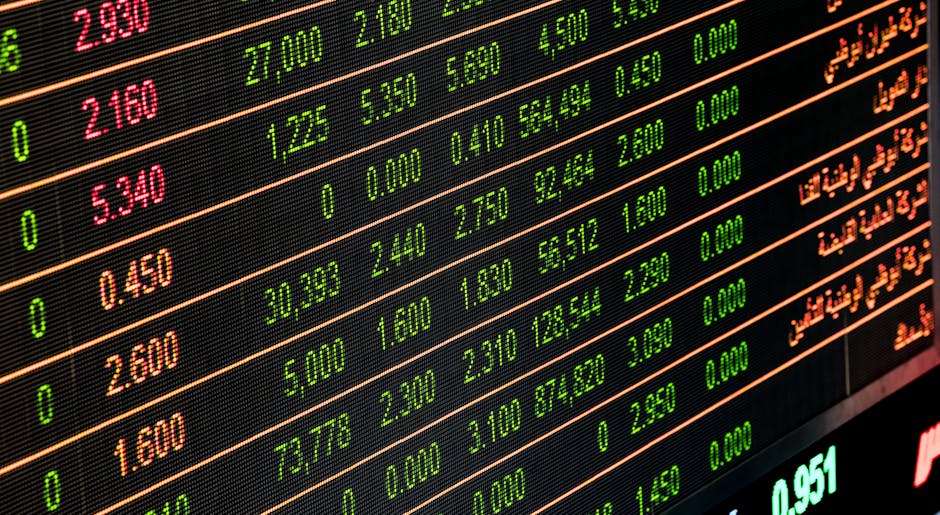
The Indian Stock Exchange: A Comprehensive Guide to Navigating the NSE and BSE
The Indian stock market, primarily driven by the National Stock Exchange (NSE) and the Bombay Stock Exchange (BSE), represents a dynamic and evolving landscape for investors, both domestic and international. Understanding the intricacies of these exchanges is paramount for anyone seeking to participate in India’s economic growth story. This article provides a comprehensive, SEO-friendly overview of the Indian stock exchange, covering its history, key players, operational mechanisms, regulatory framework, and investment opportunities, aiming to equip readers with the knowledge necessary for informed decision-making.
The origins of organized stock trading in India can be traced back to the late 19th century with the establishment of the Native Share and Stock Brokers’ Association in Bombay in 1875, which would eventually evolve into the Bombay Stock Exchange (BSE). For decades, the BSE remained the preeminent stock exchange in India. However, the 1990s marked a significant turning point with the introduction of the National Stock Exchange (NSE) in 1992, which commenced trading operations in 1994. The NSE was established with a vision to provide a modern, transparent, and efficient trading platform, leveraging electronic trading and clearing mechanisms. This ushered in a new era of competition and innovation, fundamentally transforming the Indian capital markets. Today, both NSE and BSE are major global exchanges, facilitating trading in a vast array of financial instruments.
The National Stock Exchange (NSE) is the largest financial market infrastructure institution in India and the fourth largest in the world by equity trading volume, according to data from 2021. Its primary segments include the equity market, derivatives market (futures and options), currency derivatives, debt market, and commodity derivatives. The NSE operates through a nationwide, screen-based trading system that offers a level playing field for investors across the country. Its flagship index, the NIFTY 50, representing the top 50 Indian companies listed on the NSE across various sectors, is a widely followed benchmark for the Indian equity market. The NSE’s commitment to technological advancement and robust risk management systems has been a cornerstone of its success. It has consistently been at the forefront of introducing new products and services, such as index futures, index options, and interest rate futures, thereby deepening the Indian capital markets. The NSE’s trading platform is known for its speed, reliability, and the extensive data it provides to market participants, facilitating sophisticated trading strategies and analysis. The exchange’s focus on demutualization and corporatization has also contributed to its transparency and corporate governance standards.
The Bombay Stock Exchange (BSE), Asia’s first and India’s oldest stock exchange, continues to be a significant player in the Indian capital markets. Established in 1875, it boasts a rich history and a vast listing of companies. The BSE operates a screen-based trading system and offers trading in equities, derivatives, debt, and currency. Its benchmark index, the BSE SENSEX, comprising 30 large and actively traded stocks, is another crucial indicator of the Indian stock market’s performance. While the NSE has surpassed the BSE in terms of trading volumes, the BSE remains vital for its extensive reach, particularly in facilitating the listing of small and medium-sized enterprises (SMEs) through its dedicated SME platform. The BSE has also been actively involved in developing its technological infrastructure and expanding its product offerings to remain competitive in the evolving market dynamics. Its recent initiatives include the development of a multilingual trading platform and a focus on investor education and awareness. The BSE’s historical significance and its role in nurturing early Indian businesses solidify its enduring importance in the financial ecosystem.
The primary instruments traded on the Indian stock exchanges include equities (stocks), derivatives (futures and options), bonds, exchange-traded funds (ETFs), and mutual funds. Equities represent ownership in a company and are the most common form of investment. Derivatives are complex financial contracts whose value is derived from an underlying asset, such as an index or a stock. They are used for hedging and speculation. Bonds represent debt issued by governments or corporations, offering a fixed or variable rate of return. ETFs are baskets of securities that trade on an exchange like stocks, offering diversification. Mutual funds pool money from multiple investors to invest in a diversified portfolio of securities, managed by professional fund managers. The exchanges provide the platform for the transparent and regulated trading of these diverse instruments, catering to a wide spectrum of investor needs and risk appetites. The liquidity in these markets is crucial for efficient price discovery and capital allocation.
Investing in the Indian stock exchange requires a Demat account and a trading account. A Demat account holds securities in electronic form, while a trading account facilitates the buying and selling of these securities. These accounts are typically opened through registered stockbrokers, who act as intermediaries between investors and the exchanges. Stockbrokers are regulated by the Securities and Exchange Board of India (SEBI) and must adhere to strict rules and guidelines to ensure fair and ethical practices. Investors can choose between full-service brokers, who offer a range of research and advisory services, and discount brokers, who primarily provide a platform for executing trades at lower costs. The selection of a broker depends on an investor’s individual needs, investment experience, and preferred trading style. The efficiency of the trading platform, research capabilities, and customer support are key factors to consider when choosing a broker.
The regulatory framework governing the Indian stock exchanges is robust and overseen by the Securities and Exchange Board of India (SEBI). Established in 1992, SEBI is the primary regulator responsible for protecting the interests of investors, promoting the development of the securities market, and regulating the securities market. SEBI lays down rules and regulations concerning listing, trading, disclosure, and insider trading, among other aspects. It also licenses and regulates market intermediaries, including stock exchanges, brokers, and mutual fund houses. The SEBI’s proactive approach to regulation, including its efforts to curb market manipulation and enhance corporate governance, has been instrumental in fostering investor confidence and ensuring the integrity of the Indian capital markets. SEBI’s continuous efforts to align Indian regulations with international best practices contribute to the market’s credibility and attractiveness to global investors.
The Indian stock market offers a plethora of investment opportunities, driven by India’s strong economic fundamentals, a growing middle class, and a favorable demographic profile. Investors can gain exposure to a wide range of sectors, including information technology, pharmaceuticals, banking, manufacturing, and consumer goods. The NSE’s NIFTY 50 and BSE’s SENSEX provide a broad market perspective, while sector-specific indices and individual stock analysis allow for targeted investments. The growth of the Indian economy, coupled with government initiatives aimed at boosting foreign investment and improving ease of doing business, presents a compelling case for investing in Indian equities. The country’s large domestic market, coupled with its increasing integration into the global supply chains, offers significant growth potential for listed companies.
The derivatives segment on the Indian stock exchanges, particularly on the NSE, is highly developed and offers a wide array of futures and options contracts on indices, individual stocks, and currencies. These instruments allow investors to manage risk through hedging strategies or to speculate on future price movements. The liquidity in the derivatives market is generally high, making it an attractive proposition for institutional investors and sophisticated traders. However, the inherent complexity and leverage associated with derivatives necessitate a thorough understanding of their mechanics and associated risks. SEBI has implemented stringent regulations for the derivatives market to prevent excessive speculation and ensure market integrity. The growth of this segment has also led to the development of advanced trading strategies and analytical tools for market participants.
Exchange-Traded Funds (ETFs) have gained significant traction in India, offering a cost-effective and diversified way to invest in various asset classes and market segments. ETFs track specific indices, such as the NIFTY 50 or sectoral indices, and are traded on the stock exchanges like individual stocks. They provide the benefits of diversification, liquidity, and transparency at a lower expense ratio compared to traditional mutual funds. The increasing availability of ETFs covering a wide range of investment themes and asset classes on both NSE and BSE makes them an accessible investment vehicle for retail and institutional investors alike. This has democratized access to sophisticated investment strategies that were previously only available to large institutional investors.
The Indian stock exchange landscape is characterized by a strong emphasis on technological advancement and market efficiency. Both NSE and BSE have invested heavily in state-of-the-art trading platforms, clearing and settlement systems, and data dissemination technologies. This ensures seamless trading operations, rapid transaction processing, and timely information availability to market participants. The adoption of high-frequency trading (HFT) technologies and algorithmic trading strategies is also prevalent, driven by the pursuit of enhanced market efficiency and liquidity. The continuous technological upgrades by the exchanges are crucial for maintaining their competitive edge and ensuring a fair and orderly market.
Investor education and awareness are critical components of a healthy capital market. Both NSE and BSE, along with SEBI, actively engage in initiatives to educate investors about investment products, market dynamics, and risk management. These initiatives include workshops, seminars, online resources, and publications. A well-informed investor base is crucial for making rational investment decisions, contributing to market stability, and fostering long-term wealth creation. The increasing focus on financial literacy is a testament to the commitment towards building a robust and inclusive investment ecosystem.
In conclusion, the Indian stock exchange, represented by the NSE and BSE, is a mature and rapidly evolving market offering significant opportunities for investors. Its robust regulatory framework, technological sophistication, and diverse range of tradable instruments make it an attractive destination for both domestic and international capital. A deep understanding of its operational mechanisms, the role of key players, and the prevailing regulatory environment is essential for navigating this dynamic landscape and capitalizing on India’s economic growth trajectory. Continuous learning and a disciplined approach to investing are paramount for success in this vibrant market. The Indian stock market’s resilience and adaptability in the face of global economic challenges underscore its importance as a key engine for national economic development.
