
Washington Airport Will Halt Flight 6 Pm Saturday Night During Trump Army Parade
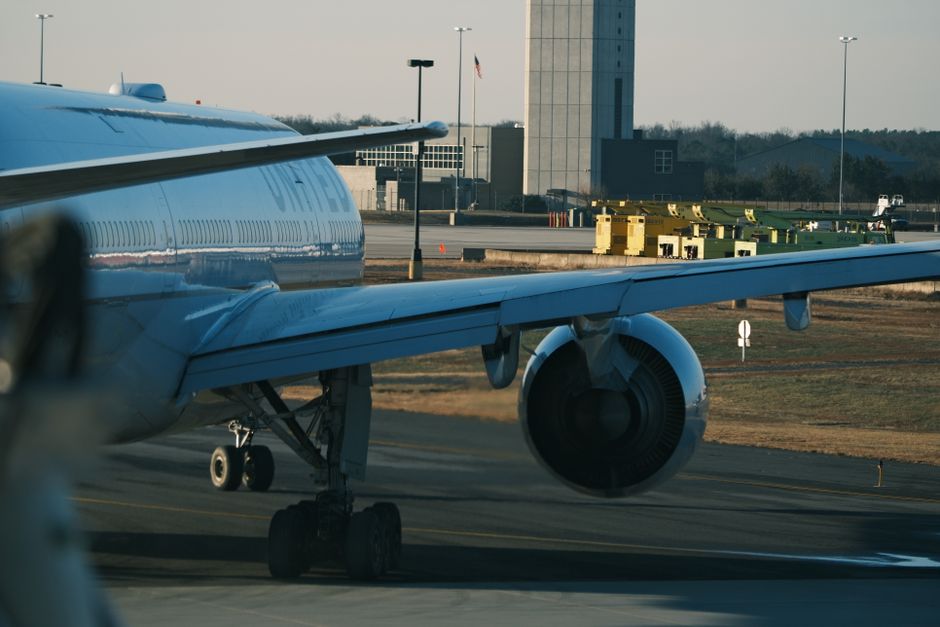
Washington Airport Flight Halt: Impact of Trump Army Parade on Saturday Evening Operations
Washington Dulles International Airport (IAD) and Ronald Reagan Washington National Airport (DCA) will implement significant flight restrictions on Saturday evening, commencing at 6:00 PM, to accommodate a planned Trump Army Parade. This unprecedented airspace closure is designed to ensure the safety and security of the parade route, which will involve large military formations and potentially extensive ground and air support. The temporary halt in operations at these critical transportation hubs is expected to create substantial disruptions for thousands of travelers, airlines, and the broader aviation industry. Understanding the specifics of this closure, its potential repercussions, and available mitigation strategies is paramount for all stakeholders.
The decision to ground flights at IAD and DCA during the parade underscores the high-level security considerations associated with presidential events and military demonstrations of this magnitude. Both airports are located in close proximity to Washington D.C.’s core, a region with established flight restrictions even under normal circumstances. The added layer of a high-profile parade necessitates an even more stringent approach to airspace management. The Federal Aviation Administration (FAA), in coordination with the Department of Defense and the Secret Service, has collaboratively determined that a complete cessation of commercial and most general aviation traffic within a defined radius of the parade route is the most prudent course of action. This includes a complete shutdown of flight operations at DCA, a facility already operating under tight Air Traffic Control (ATC) restrictions due to its urban location. IAD, while further west, will also experience a significant curtailment of inbound and outbound flights. The exact perimeter of the restricted airspace and the types of flights that may be permitted on a case-by-case basis (such as emergency services or military support aircraft directly involved in the parade) are detailed in official FAA NOTAMs (Notices to Airmen) which will be widely disseminated to the aviation community. Airlines have been notified well in advance, allowing them to re-route flights, adjust schedules, and communicate with passengers. However, the sheer volume of flights typically handled by these airports means that even with advance notice, a significant ripple effect is inevitable across the national air traffic system.
The economic and logistical implications of a six-hour flight halt at two major international airports are considerable. Airlines operating at IAD and DCA face millions of dollars in lost revenue due to cancelled flights, re-accommodation costs, and potential aircraft diversions. Passengers booked on flights to, from, or connecting through these airports on Saturday evening will experience significant disruptions. This includes potential overnight stays, missed connections, and the need to rebook travel arrangements. The ripple effect will extend beyond Saturday evening, as airlines work to reposition aircraft and crews to mitigate the backlog of flights that will accumulate. Airports themselves will also face operational challenges, including managing the influx of stranded passengers, providing information and support, and ensuring the safety and security of the terminal areas. For businesses operating at the airports, such as car rental agencies, restaurants, and retail shops, a significant drop in passenger traffic will translate into reduced sales. The impact on the local economy surrounding the airports, which relies heavily on the flow of business and leisure travelers, will also be felt. The decision, while driven by security imperatives, highlights the intricate interdependence of air travel and national events, and the significant economic costs associated with high-security measures.
Travelers planning to fly into or out of Washington D.C. on Saturday evening must proactively seek information and make alternative arrangements. The primary recommendation for affected passengers is to contact their respective airlines directly. Airlines are mandated to provide assistance to passengers affected by such significant disruptions, which may include rebooking on alternative flights, offering refunds, or providing accommodation and meal vouchers if necessary. Checking airline websites and mobile applications for real-time flight status updates is crucial. Passengers should also be aware of potential delays and cancellations for flights scheduled earlier in the day on Saturday, as aircraft and crews may be impacted by cascading delays. For those with connecting flights, understanding the status of both legs of their journey is essential. Booking last-minute alternative travel, such as driving or taking trains, may become challenging and significantly more expensive due to high demand. Travelers are advised to explore all available transportation options as soon as possible. Furthermore, understanding the refund and rebooking policies of their specific airline is vital, as these can vary. Patience and clear communication with airline representatives will be key during this period of heightened travel disruption.
The Trump Army Parade, while the direct cause of the flight halt, is a significant event in itself. Such parades are often held to celebrate military achievements, honor service members, and showcase national strength and unity. The planning and execution of a parade of this scale involve immense logistical coordination between various government agencies, including the Department of Defense, the Secret Service, and local authorities. The decision to involve such a comprehensive closure of major air traffic facilities underscores the perceived importance and potential security risks associated with the event. The parade route itself will likely be a carefully selected area within the city, designed to maximize visibility for the public while minimizing disruption to essential services and ensuring a secure perimeter. The types of military units and equipment featured in such parades can range from historical reenactments to cutting-edge military hardware, offering a visual spectacle for attendees. The planning for these events often involves months of preparation, including the training of participants, the logistics of transporting personnel and equipment, and the establishment of security protocols. The airspace closure is an integral part of these security protocols, aimed at preventing any aerial threats and ensuring the unimpeded movement of parade participants.
For airlines, the operational challenges extend beyond simply cancelling flights. The grounding of aircraft at IAD and DCA on Saturday evening will create a significant ripple effect across their networks. Aircraft that were scheduled to depart from these airports will be grounded, impacting subsequent flights that rely on those aircraft. Similarly, aircraft that were scheduled to arrive will need to be diverted to alternative airports, incurring additional costs for fuel, landing fees, and crew time. The repositioning of aircraft and crews will be a complex logistical puzzle for airline operations centers. This may involve flying aircraft empty to different airports to pick up passengers for rescheduled flights or to resume normal operations on Sunday. The disruption can lead to significant schedule adjustments for days following the event, as airlines work to normalize their operations. The impact on crew scheduling is also substantial, as flight crews have strict duty limitations, and disruptions can lead to crew shortages. This can further exacerbate delays and cancellations. The economic implications for airlines are thus multifaceted, encompassing direct revenue losses from cancelled flights, increased operational costs, and the long-term impact on customer trust and loyalty due to travel disruptions.
The broader impact on the Washington D.C. metropolitan area extends beyond the immediate airport closures. Local transportation networks will likely experience increased demand as travelers seek alternative ways to navigate the city and surrounding areas. Roadways leading to and from the parade route, as well as major arteries, will likely experience significant congestion. Public transportation systems may see increased ridership, and authorities may implement additional service to accommodate the demand. The hospitality sector, including hotels and restaurants, may see a mixed impact. While hotels near the airports might experience a surge in guests due to flight cancellations, hotels in the immediate vicinity of the parade might see increased bookings from spectators. However, businesses that rely on the consistent flow of travelers to and from the airports might experience a downturn in customers. The overall economic activity in the region can be affected, as business travelers may postpone meetings and events, and leisure travelers may alter their plans. Local businesses that are not directly involved in the tourism or aviation sectors may also experience indirect effects due to reduced consumer spending.
The security measures surrounding such a high-profile event are paramount and involve a multi-layered approach. The airspace closure is just one component of a comprehensive security plan that will likely include ground-level security, surveillance, and coordination between federal, state, and local law enforcement agencies. The Department of Defense plays a crucial role in providing military personnel and assets for parade security and support. The Secret Service is responsible for the overall security of the President and other protectees. The FAA’s role is to ensure the safety and security of the national airspace. The decision to close airports is a direct consequence of the need to create a secure environment for the parade and to prevent any potential aerial threats. This involves not only preventing unauthorized aircraft from entering the restricted airspace but also ensuring that the movements of authorized aircraft are carefully managed to avoid any interference with parade operations. The complexity of coordinating these various security elements highlights the significant effort involved in hosting events of this nature.
In conclusion, the Saturday evening flight halt at Washington Dulles International Airport (IAD) and Ronald Reagan Washington National Airport (DCA) is a direct consequence of the planned Trump Army Parade. This significant disruption, effective from 6:00 PM, will impact thousands of travelers and airlines. Passengers are urged to contact their airlines for rebooking or refund information and to stay informed about flight status. The economic repercussions for airlines and the surrounding region will be substantial. The security imperative driving this decision underscores the intricate relationship between national events, public safety, and the operational realities of major international airports. The long-term implications for air travel reliability and the economic impact on the aviation industry and local economies warrant careful consideration and proactive planning by all involved.
