Gabrielle Union Redefines Spring Beauty Standards with Sophisticated Honey Brown Cat Eye Manicure at Tiffany and Co Gala in New York City

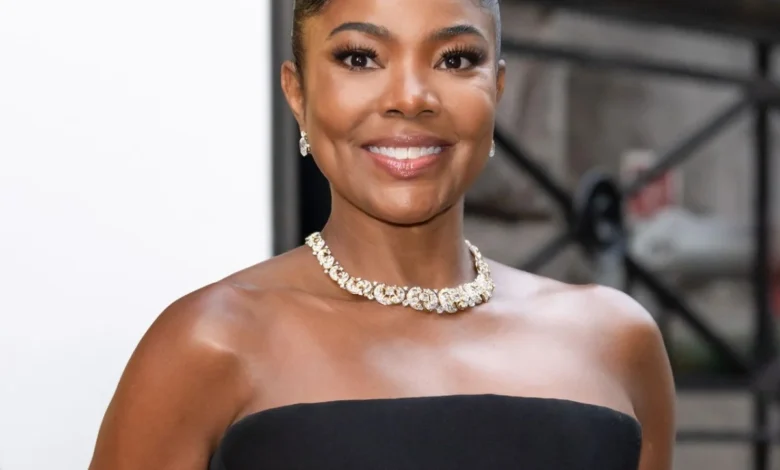
Gabrielle Union-Wade, the acclaimed actress, producer, and fashion icon, recently transformed a high-profile New York City red carpet into a masterclass on contemporary beauty, successfully bridging the gap between seasonal trends and unconventional color palettes. Attending a prestigious launch event for the storied luxury jeweler Tiffany & Co. on April 16, Union-Wade showcased a "cat eye" manicure in an unexpected honey brown hue, a move that has sparked significant dialogue among beauty editors and trend analysts regarding the evolution of spring aesthetics.
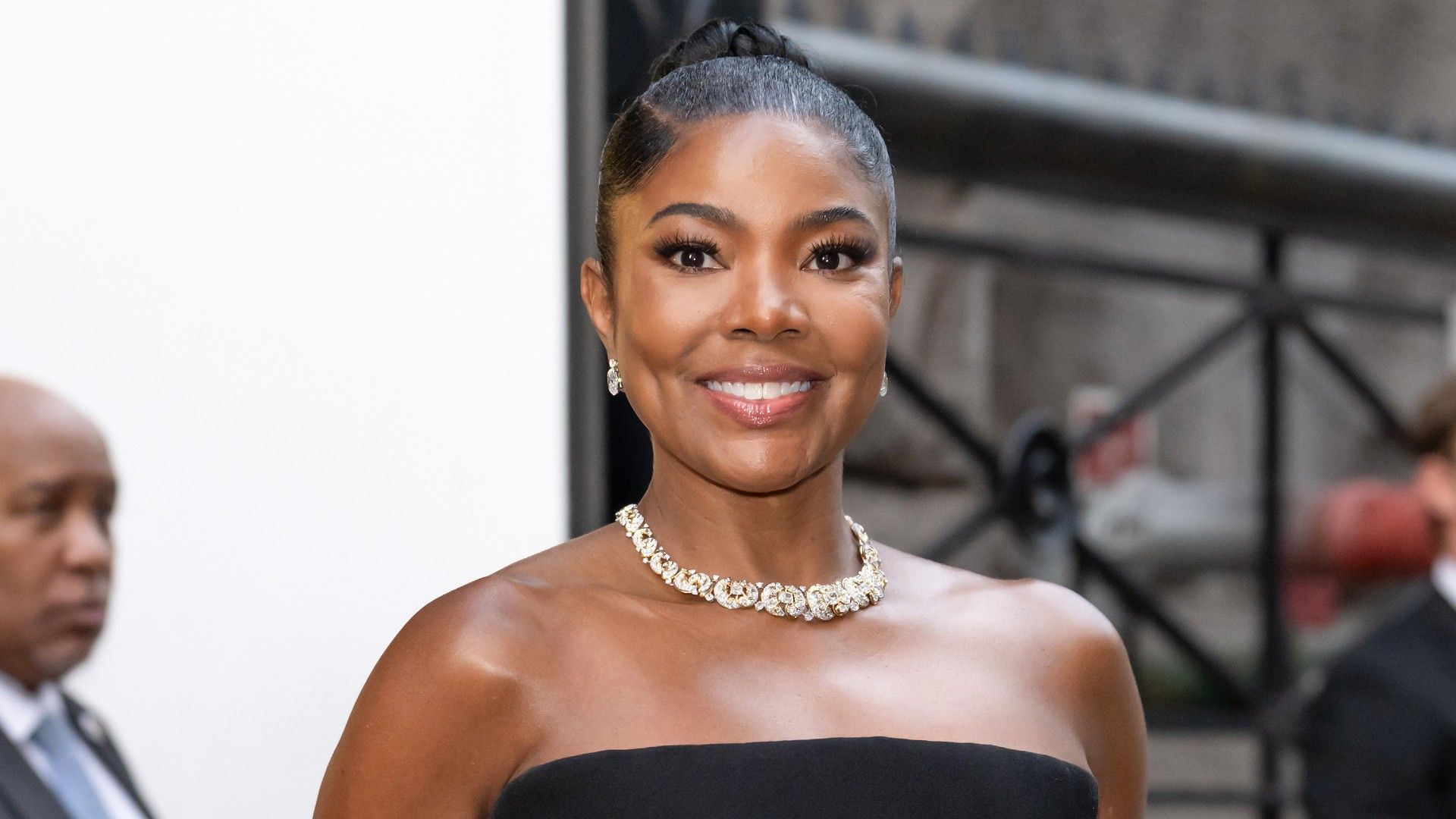
The event, held in the heart of Manhattan, served as a backdrop for Union-Wade to demonstrate how traditional luxury can be modernized through meticulous attention to detail. Dressed in a strapless black midi gown featuring intricate gold embroidery along the hem, the actress maintained a cohesive visual narrative by matching her nail art to the metallic accents of her ensemble. Her hair, styled into a precision-engineered slick-back bun, emphasized the clean lines of her attire, allowing the sophisticated textures of her manicure to take center stage.
The Intersection of Luxury Fashion and Innovative Beauty
The choice of a honey brown cat eye manicure is particularly noteworthy given the historical constraints of spring beauty trends. Traditionally, the transition from winter to spring is marked by a shift toward pastels, floral tones, and bright neons. However, Union-Wade’s preference for a deep, velvety bronze—a color often relegated to autumn or dismissed as an "unexpected" choice for high-fashion events—signals a broader shift toward "ugly-chic" and earthy neutrals in the luxury sector.
This aesthetic choice aligns with the current "quiet luxury" movement, which prioritizes texture and depth over overt branding or loud color schemes. By utilizing the cat eye technique, which involves the use of magnetic particles within the nail polish to create a shimmering, multidimensional effect, Union-Wade elevated a simple neutral into a dynamic accessory. The result was a "velvet" finish that mirrored the richness of her embroidered gown, proving that darker, earthier tones can be effectively repurposed for the spring season when paired with the right technology and styling.
Technical Mastery: The Mechanics of the Cat Eye Manicure
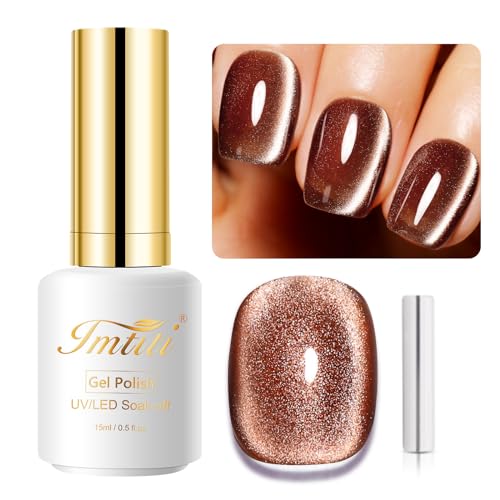
To understand the impact of Union-Wade’s look, one must look at the technical requirements of the cat eye manicure. This specific style of nail art relies on magnetic nail lacquer, a specialized formula containing tiny iron filings. When a high-strength magnet is held over the wet polish, these metallic particles react, shifting into various patterns depending on the angle and movement of the magnetic tool.
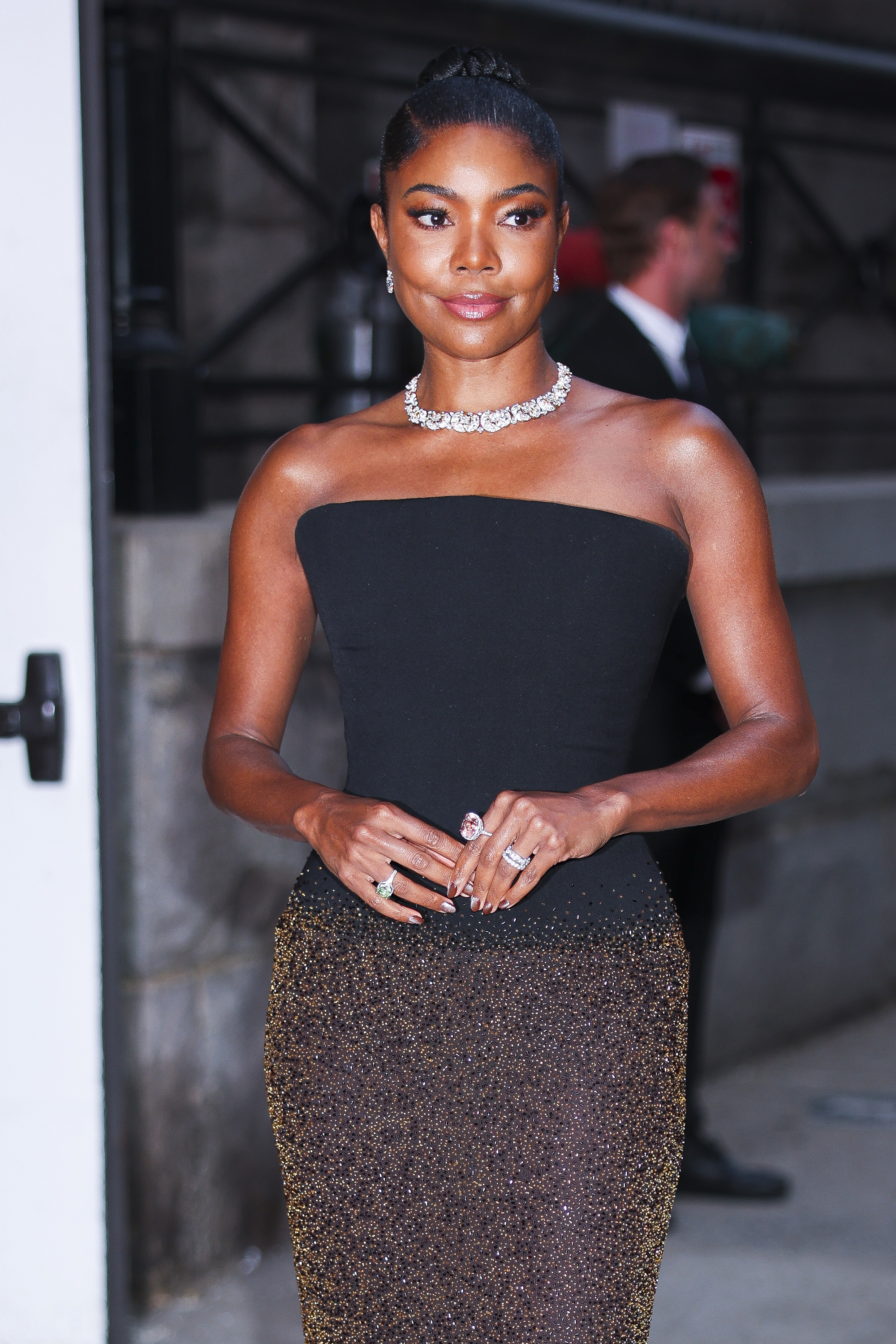
The "velvet" effect seen on Union-Wade is achieved through a specific "scatter" technique. Unlike the traditional sharp diagonal line associated with the "cat eye" name, the velvet look requires the technician to move the magnet around all sides of the nail, pulling the shimmer to the surface in a soft, diffused manner. This creates an optical illusion of depth, making the nails appear as though they are upholstered in actual silk or velvet fabric. For Union-Wade, the honey brown base provided the necessary contrast for the gold-toned magnetic shimmer to pop, creating a metallic synergy with her Tiffany & Co. jewelry and the gold embroidery of her dress.
Evolution of a Trend: From Winter Velvet to Spring Radiance
While the cat eye manicure gained significant traction during the winter months of 2023 and early 2024—favored for its moody, celestial vibes—its appearance on a major spring red carpet suggests a newfound longevity. The trend is no longer being viewed as a seasonal gimmick but as a versatile staple of modern glam.
Union-Wade is not the only high-profile figure to experiment with this technique. Earlier this year, Jennifer Lopez debuted a "cat eye French manicure" during her Las Vegas residency, combining the classic white-tipped look with magnetic shimmer for a futuristic twist. Similarly, Vanessa Hudgens has been credited with pushing the boundaries of the trend by incorporating animal print designs, such as leopard spots and tiger stripes, over a magnetic base.
The transition of the cat eye from winter to spring is facilitated by the color choice. By moving away from the deep navies, forest greens, and burgundies of December and toward the bronzes, ambers, and "honey browns" seen in April, celebrities are adapting the texture to suit the increasing natural light of the warmer months.
The Rise of Unexpected Neutrals in Celebrity Glamour
The industry term "ugly-chic" refers to the fashion world’s periodic embrace of colors and styles that are conventionally considered drab or unappealing. Brown, in its various iterations—from mud to cocoa—has long been a polarizing shade in the beauty industry. However, Union-Wade’s appearance at the Tiffany & Co. event reinforces the idea that brown is the new "power neutral."
Market data from beauty retailers indicates a rising interest in "earthy" and "terracotta" tones. According to recent consumer reports, sales of brown-toned nail polishes have seen a 15% increase year-over-year, driven largely by celebrity endorsements and the viral nature of "coffee-inspired" beauty trends on social media platforms. Union-Wade’s specific shade of honey brown bridges the gap between a traditional neutral and a metallic, making it accessible for a wide range of skin tones and professional settings.
Chronology of the Tiffany & Co. Event and Brand Strategy
The April 16 event in New York City is part of a larger strategic push by Tiffany & Co. to maintain its cultural relevance through high-fashion partnerships. The brand, which was acquired by LVMH in 2021, has been aggressive in its pursuit of celebrity "ambassadors" who represent a blend of classic Hollywood glamour and modern activism.
Gabrielle Union-Wade’s presence at the launch is significant given her long-standing relationship with the brand and her status as a tastemaker. The event followed closely on the heels of the "Tiffany Wonder" exhibition in Tokyo and other global activations designed to showcase the house’s diamond heritage. By appearing in a look that was both sophisticated and trend-forward, Union-Wade helped reinforce Tiffany & Co.’s image as a brand that is as much about contemporary style as it is about historical luxury.
Market Influence and the Democratization of Professional Nail Art
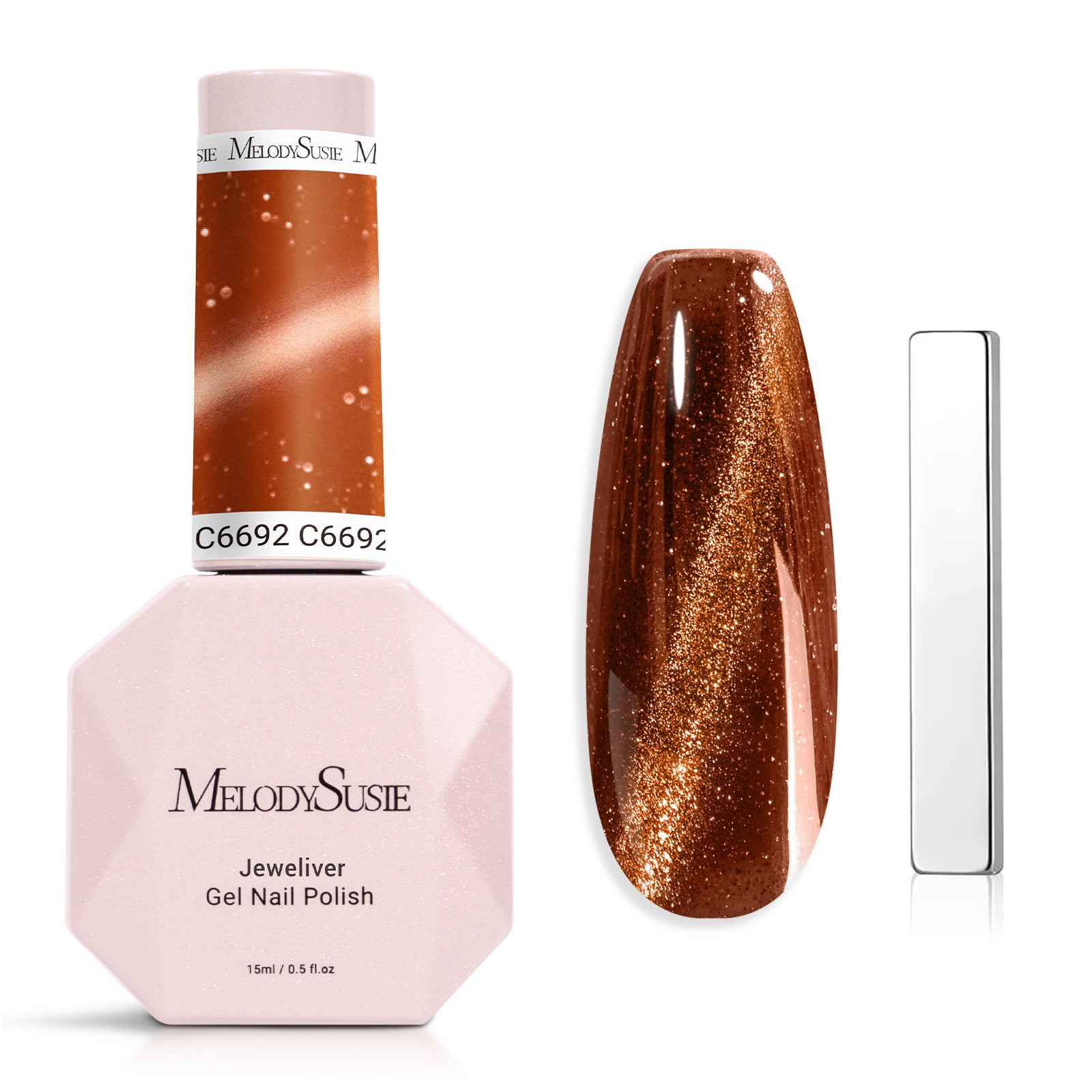
The ripple effect of Union-Wade’s manicure is already being felt in the consumer market. Professional-grade magnetic polishes, once reserved for high-end salons, are now widely available for home use through brands like DND, MelodySusie, Essie, and Manucurist.
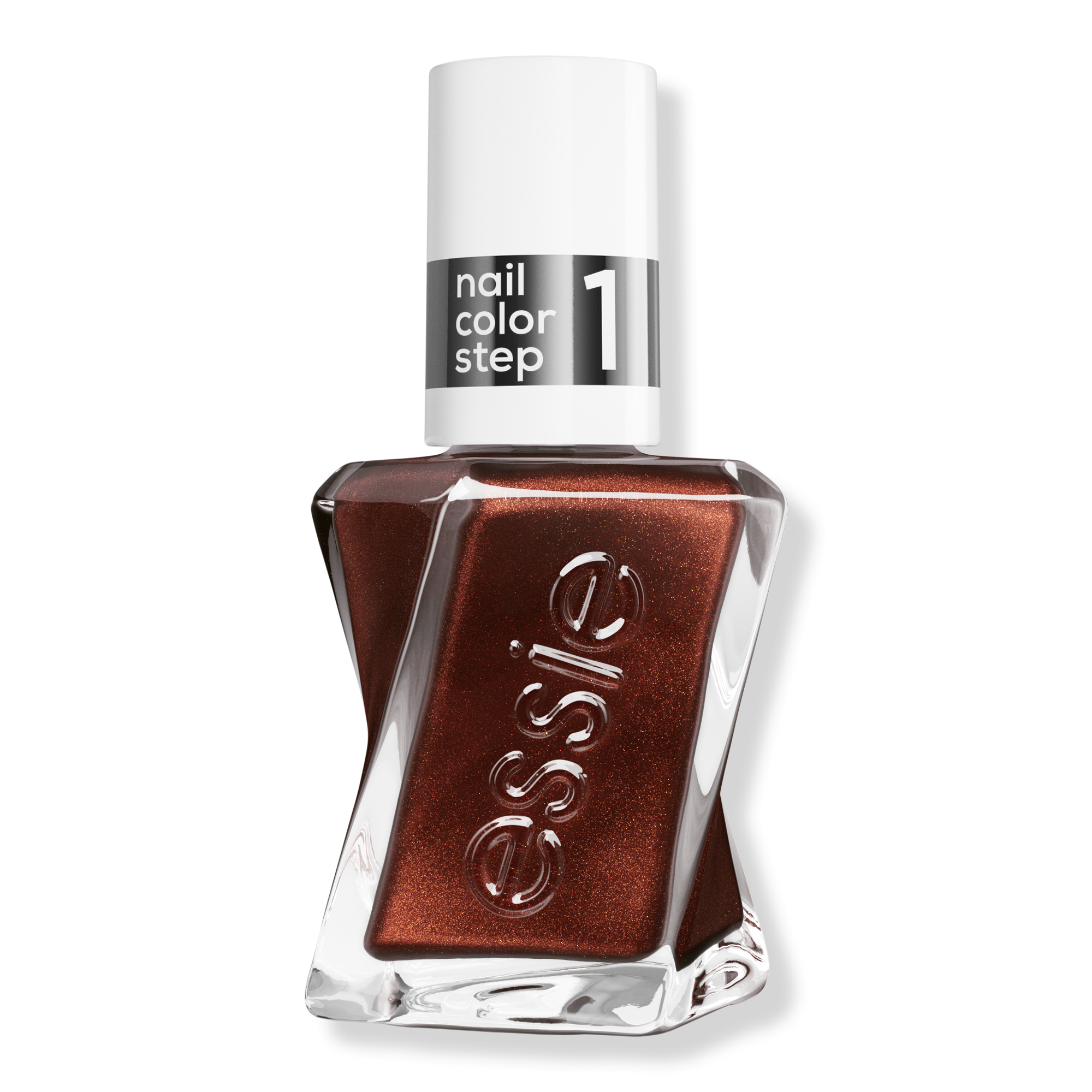
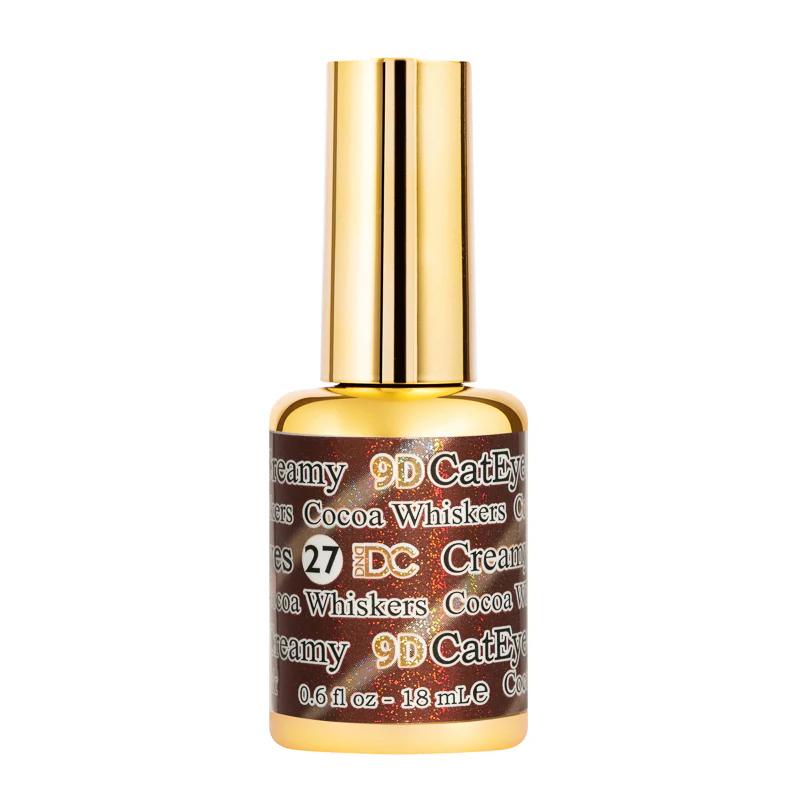
The accessibility of these tools allows the average consumer to replicate Union-Wade’s red-carpet look at a fraction of the cost. For instance, the "Cocoa Whiskers" shade by DND or the "Honey Brown" magnetic gel by MelodySusie offer near-identical matches to the actress’s choice. This democratization of nail art technology means that trends can move from a Manhattan gala to the general public in a matter of days, further cementing the "celebrity-to-consumer" pipeline.
Broader Impact on the 2024 Beauty Landscape
As we move further into 2024, the "Union-Wade effect" is likely to influence upcoming summer beauty collections. Industry experts predict a surge in "metallic neutrals"—shades that offer the understated elegance of a nude polish with the visual interest of a chrome or magnetic finish.
The success of Union-Wade’s honey brown manicure also highlights a move away from long, acrylic "stiletto" nails toward shorter, more natural shapes. The actress wore her nails at a functional, short length, emphasizing that high-concept nail art does not require excessive length to be impactful. This shift toward "shorties" is being embraced by a demographic looking for beauty solutions that are both stylish and practical for everyday life.
In conclusion, Gabrielle Union-Wade’s appearance at the Tiffany & Co. launch event was more than just a red-carpet moment; it was a strategic deployment of beauty technology and color theory. By pairing a classic black and gold gown with a cutting-edge honey brown cat eye manicure, she has set a new benchmark for spring elegance, proving that the most "unexpected" colors can often be the most effective. As the beauty industry continues to evolve, the intersection of magnetic technology and sophisticated neutrals will undoubtedly remain a focal point for both celebrities and consumers alike.