Generations Apart, One Family’s War on Facial Hair: How Princess Diana and Princess Charlotte Shared a Surprising Aversion to Beards

The publication of Charles Spencer’s new memoir, Swan Song: Diana, My Sister, has brought to light a series of intimate, little-known anecdotes about the Spencer family. While much of the biographical work addresses the profound emotional landscape of the late Princess of Wales and the complexities of the aristocratic family’s history, a surprisingly lighthearted vignette has captured the public’s attention. The passage reveals an uncanny behavioral parallel across generations—demonstrating that both Princess Diana and her granddaughter, Princess Charlotte, shared an absolute intolerance for family facial hair.
This familial quirk offers a fascinating window into the domestic dynamics of two different eras of British royalty and high society. From a fateful trip to Turkey in the mid-twentieth century to modern royal life inside Kensington Palace, the aversion to beards appears to be a curiously persistent trait among the female descendants and relatives of the Spencer lineage.
A Vintage Family Standoff: John Spencer’s Turkish Beard
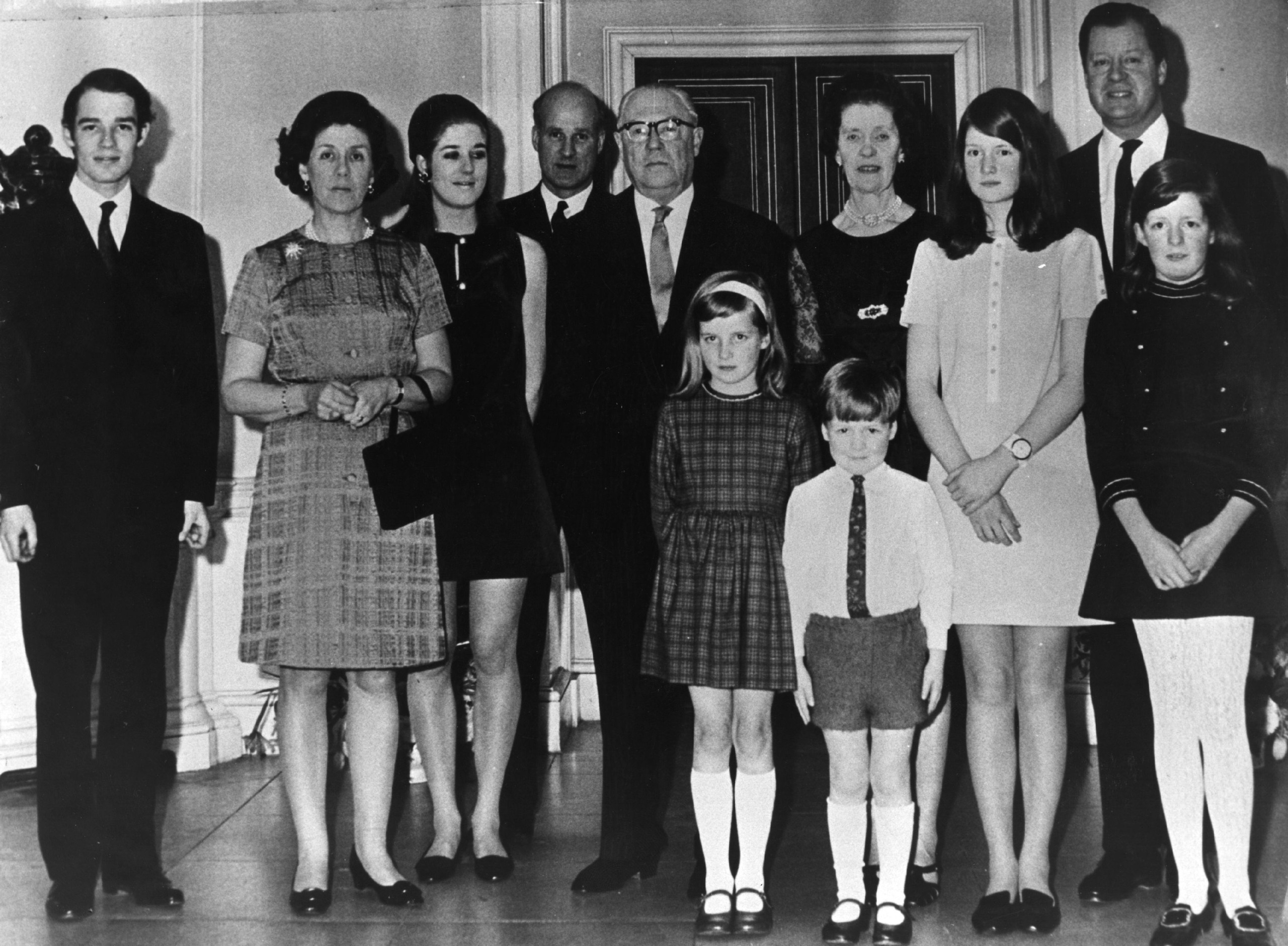
According to the 9th Earl Spencer, the foundation of this generational disdain for facial hair was laid during the childhood of Diana and Charles Spencer. Their parents, John Spencer (later the 8th Earl Spencer) and Frances Shand Kydd, maintained distinct temperaments and lifestyles during their marriage. Frances favored domestic life and the familiarity of home, whereas John possessed an adventurous spirit and a strong appetite for international travel.
The historical divergence occurred during a period when young Charles Spencer fell ill. Frances elected to remain at home to care for her ailing son, while John Spencer proceeded with a planned solo excursion to Turkey. During his travels abroad, the future 8th Earl chose to forgo shaving entirely, returning home to Northamptonshire sporting an unfamiliar reddish beard and mustache.
While the unexpected appearance of facial hair might pass without incident in many modern households, it provoked an immediate and unhesitating reaction from a young Princess Diana. According to her brother’s account in Swan Song, Diana took one look at her father’s new look, lost her patience, and delivered a blunt, uncompromising ultimatum: "Take that thing off!"
The anecdote underscores a precocious assertiveness in the future princess, who was never one to conceal her opinions, even when directed at the patriarch of the family. Historically, John Spencer appears to have yielded to the domestic feedback; subsequent photographic records of the late Earl show him predominantly clean-shaven throughout the remainder of his life, suggesting that Diana’s pointed critique carried considerable weight within the household.
A Modern Royal Echo: Princess Charlotte and Prince William’s Facial Hair Debate
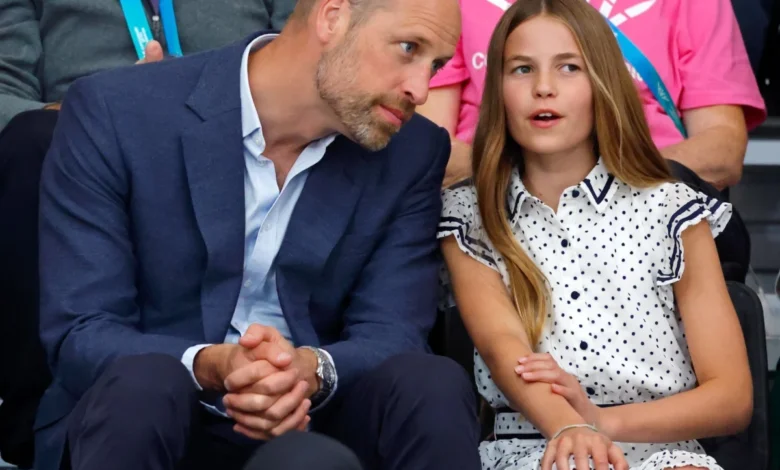
Decades after John Spencer retreated to the razor, a remarkably similar domestic drama unfolded within the modern British royal family. Prince William, the Prince of Wales, inadvertently triggered a royal crisis of his own when he chose to experiment with facial hair.
The timeline of Prince William’s beard dates back to August 2024, when the heir to the throne debuted a relaxed, bearded look in a video message alongside Princess Catherine to congratulate British athletes competing at the Paris Olympic Games. The internet reacted with overwhelming approval, with royal commentators and fans dubbing the scruff a refreshing and modern update to the prince’s aesthetic.
However, the public consensus stood in stark contrast to the reception inside the Wales household. Shortly after debuting the look, Prince William appeared at a Sunday church service in Balmoral clean-shaven, sparking immediate speculation as to why the beard had vanished so quickly.
The mystery was resolved when Prince William later candidly admitted that his sudden clean-shaven turnaround was entirely due to the emotional distress of his then-nine-year-old daughter, Princess Charlotte.
The Tears That Shaved a Prince: Inside the Wales Household
Speaking to reporters about the brief experiment, Prince William revealed that the beard did not go down well with his only daughter. Princess Charlotte reportedly broke down in "floods of tears" upon seeing her father with facial hair for the first time. The transformation proved so distressing to the young princess that Prince William felt compelled to immediately remove the beard to restore domestic harmony.
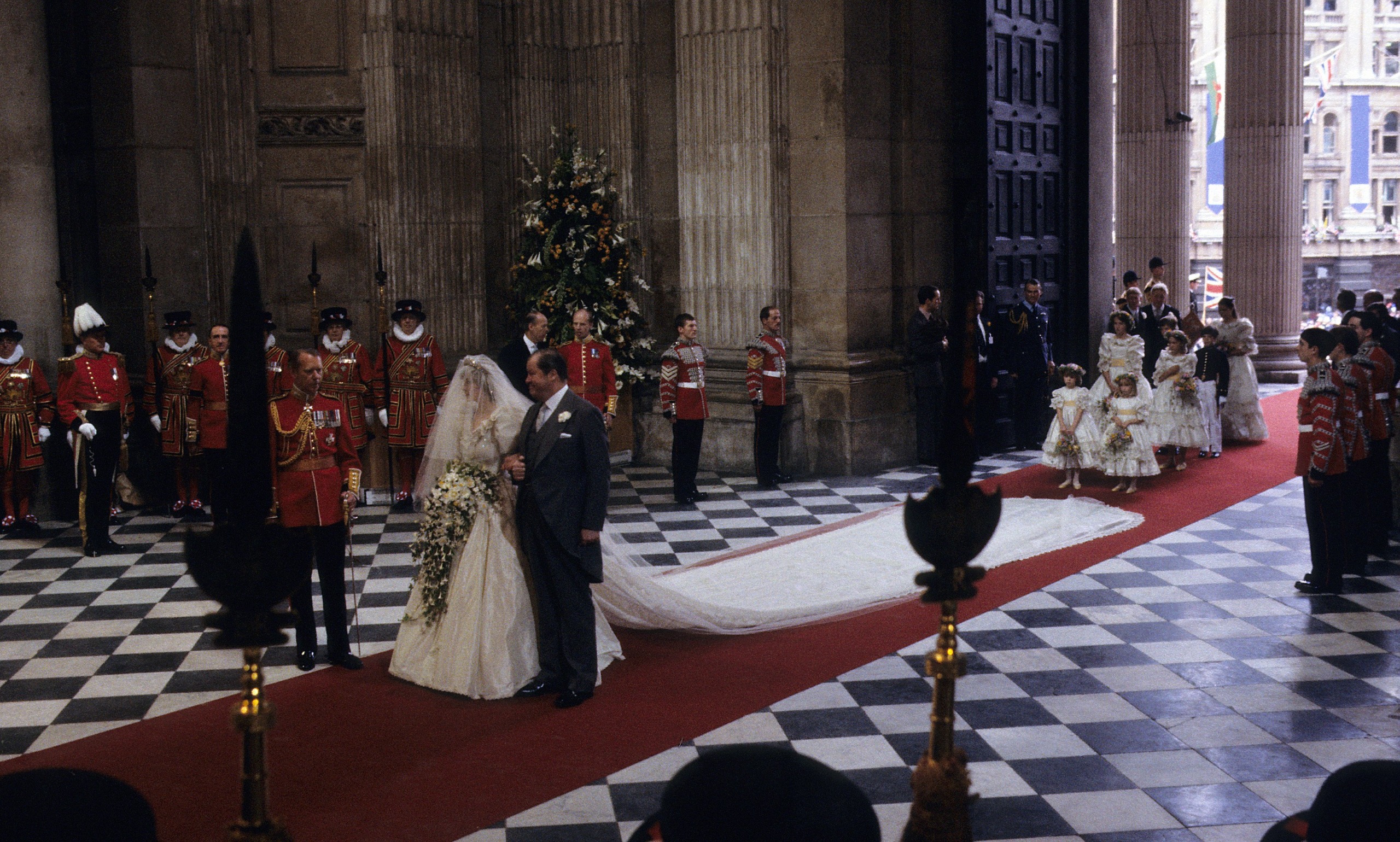
"Well, Charlotte didn’t like it the first time," the Prince of Wales explained. "There were floods of tears, so I shaved it off."
The incident highlights the unique balance modern senior royals attempt to strike between public expectations and private family life. While public commentators debated the stylistic merits of royal facial hair, the domestic authority of a nine-year-old princess proved decisive.
Yet, the clean-shaven era was short-lived. Following the initial tearful reaction, Prince William reconsidered his grooming choices and initiated a diplomatic campaign within his household. "I thought, hang on a second, and I convinced her it was going to be okay," he shared. By September of that year, the beard returned, and the Prince of Wales has maintained the look since, signaling that Princess Charlotte ultimately grew accustomed to her father’s transformed appearance.
Behavioral Parallels Across Generations
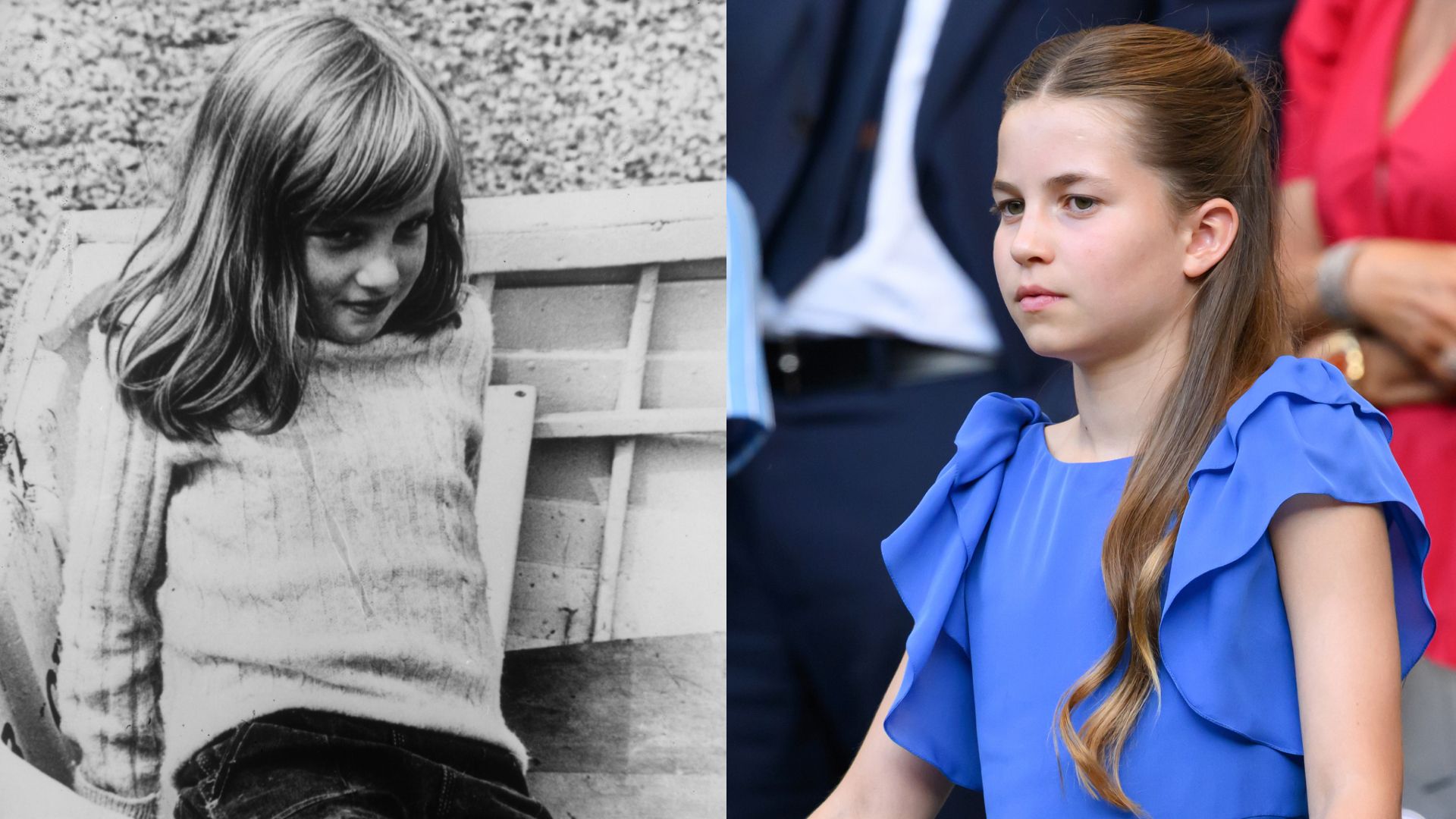
The striking parallel between Diana’s demand that her father remove his beard and Charlotte’s tearful objection to Prince William’s scruff has delighted royal watchers and psychological commentators alike. Though separated by more than half a century, both instances underscore a shared familial trait: a direct, unfiltered approach to personal appearance among the women connected to the Spencer bloodline.
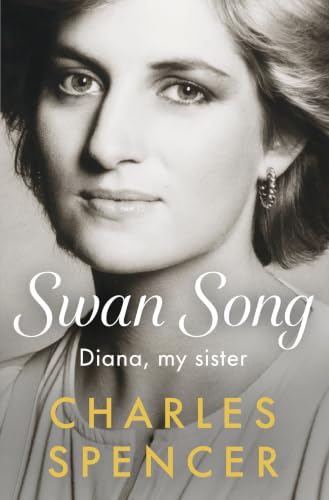
Princess Diana was globally renowned for her expressive nature, authenticity, and willingness to challenge convention. Her unfiltered reaction to her father’s travel grooming mirrors the emotional transparency displayed by Princess Charlotte, who has frequently demonstrated a composed yet intensely expressive personality during public engagements. While royal children are typically insulated from the broader cultural commentary surrounding their parents’ appearances, immediate family members often hold the ultimate veto power over personal style choices.
Furthermore, the juxtaposition of these two events illustrates how domestic dynamics transcend the formality of royal and aristocratic life. Whether inside Althorp Estate in the 1960s or within the private residences of Kensington Palace and Adelaide Cottage in the 2020s, paternal vanity has consistently collided with the uncompromising aesthetic opinions of daughters.
Broader Implications and Historical Documentation
The release of Charles Spencer’s Swan Song: Diana, My Sister continues a broader trend of familial retrospectives that aim to humanize figures who have largely been mythologized by history. By focusing on mundane, domestic interactions—such as a father returning from Turkey with an unwanted beard—the 9th Earl provides context that contrasts sharply with the tragedy and public scrutiny that later defined Diana’s adult life.
Similarly, the public transparency shown by Prince William regarding his daughter’s reaction reflects a contemporary shift in how royal parenting is communicated. Historically, British royals maintained an austere distance from domestic trivia, but modern heirs have increasingly embraced humor and relatability in public discourse.
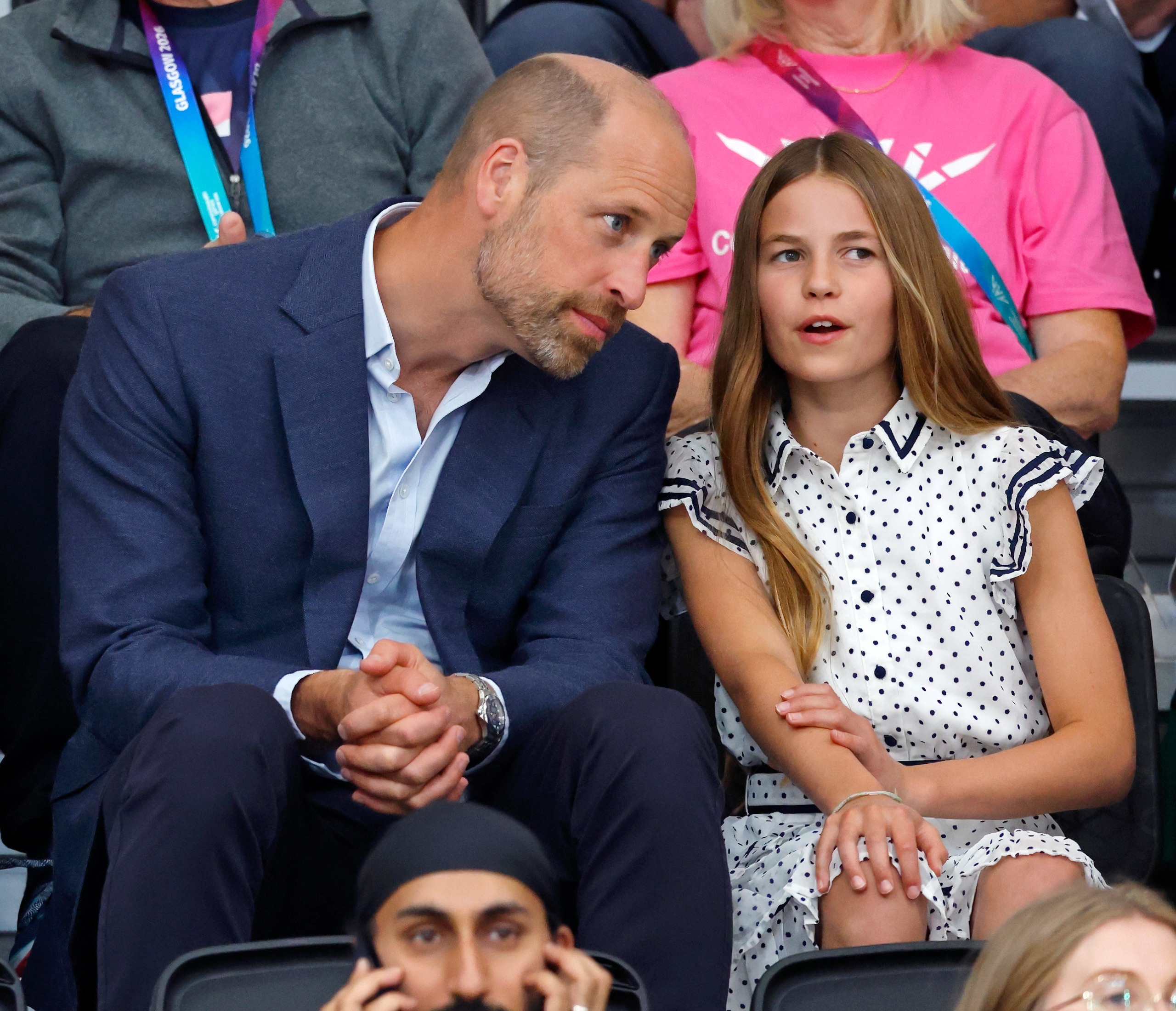
Ultimately, the shared aversion to facial hair uniting Princess Diana and Princess Charlotte serves as a lighthearted historical footnote. It bridges the gap between two generations of royal women, proving that regardless of title, wealth, or historical significance, fathers are ultimately subject to the aesthetic approval of their daughters.