The Science of Super-Agers: Harvard Researchers Uncover Why Some Brains Defy Time and How to Apply Those Lessons to Longevity

For decades, the prevailing scientific consensus viewed human aging as an immutable process of decay, akin to a machine wearing out over time. However, recent breakthroughs in molecular metabolism and neurology are challenging this fatalistic perspective, revealing that the rate of biological aging is not only variable between individuals but also significantly malleable. At the forefront of this research is the study of "super-agers"—individuals over the age of 65 who maintain the cognitive sharpness and memory capacity of adults in their 20s. By examining the unique biological and lifestyle profiles of these outliers, researchers at Harvard University are beginning to decode the secrets of sustained cognitive health and the potential for precision medicine to extend the human "healthspan."
The Anatomical Profile of a Super-Ager
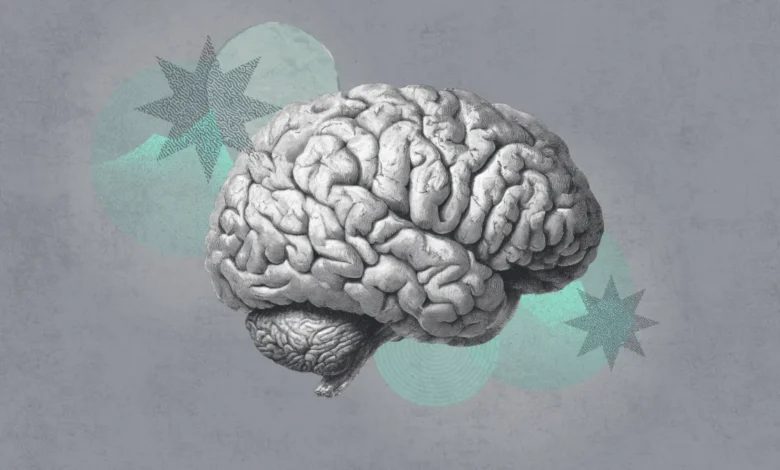
The term "super-ager" describes a biological contradiction: an elderly individual whose brain appears to have resisted the typical atrophy associated with the passage of time. According to Dr. Alexandra Touroutoglou, an associate professor of neurology at Harvard Medical School and director of imaging operations at the Frontotemporal Dementia Unit at Massachusetts General Hospital, the differences are visible through advanced neuroimaging.
In a landmark study published in 2016, Touroutoglou and her team measured the volume of various brain regions and found that super-agers possess a significantly larger hippocampus—a region critical for memory—compared to their peers. In some instances, the hippocampal volume of an 80-year-old super-ager matched that of a young adult in their 20s. Furthermore, super-agers exhibit stronger connectivity within brain circuits, suggesting that their neural networks are not only larger but more efficient.
One of the most striking findings involves the mid-cingulate cortex. While this area typically shrinks with age, in super-agers, it remains robust. Traditionally associated with motivation, persistence, and "grit," the preservation of the mid-cingulate cortex suggests that cognitive longevity may be linked to a psychological tenacity that allows individuals to embrace difficult tasks rather than avoid them.
The Evolution of Aging Research: From Inevitability to Malleability
The shift in how scientists view aging has occurred rapidly over the last quarter-century. Dr. William Mair, a professor of molecular metabolism and director of the Healthy Aging Initiative at the Harvard T.H. Chan School of Public Health, notes that the field has moved from descriptive observations to a sophisticated understanding of "biological clocks."
In the past 25 years, biologists have identified approximately 12 "hallmarks of aging." These include cellular-level processes such as DNA damage, telomere shortening, metabolic dysfunction, and cellular senescence. Research in animal models—ranging from short-lived nematode worms to mice—has demonstrated that single interventions, whether dietary, genetic, or pharmacological, can modulate all these hallmarks simultaneously. These interventions do not merely extend lifespan; they delay the onset of nearly all age-related chronic diseases, including cancer and neurodegeneration.
This research has paved the way for human clinical trials involving "senolytics" (drugs that clear out old, damaged cells) and metabolic regulators like GLP-1 agonists, which are currently being studied for their potential to protect the brain and heart as a byproduct of their metabolic effects.
The Clinical Reality: Resilience and Cognitive Reserve
While laboratory research focuses on the cellular level, geriatricians like Dr. Suzanne Salamon, an assistant professor at Harvard Medical School, observe the real-world manifestations of these biological differences in the clinic. One key indicator of a super-ager’s resilience is their response to physiological stress, such as surgery under general anesthesia.
"We frequently see delirium in older patients after surgery," Dr. Salamon explains. Delirium—a state of acute confusion—often marks a permanent decline in cognitive function for many seniors. However, studies have shown that super-agers are remarkably resilient to these complications. They rarely develop post-operative delirium, suggesting a high level of "cognitive reserve" that protects the brain against external shocks.
Interestingly, being a super-ager in the brain does not necessarily mean the rest of the body is immune to time. Many super-agers still manage common age-related conditions such as arthritis, spinal stenosis, and heart disease. This has led researchers to investigate why different tissues in the same body can age at different rates—a phenomenon that Dr. Mair suggests could eventually be managed through precision medicine and AI-driven diagnostics.
Lifestyle Pillars: The "Grandmother Advice" Validated by Science
Despite the focus on high-tech interventions, the data from super-ager cohorts consistently points to several lifestyle factors that modulate biological aging. While some super-agers possess genetic advantages that allow them to thrive despite poor habits, the majority of healthy agers share common behaviors.
Social Connectivity
Perhaps the most significant commonality among super-agers is a high degree of social integration. In epidemiological studies, individuals who report strong, frequent social connections—including friends, family, and community involvement—consistently show slower rates of cognitive decline. Dr. Touroutoglou notes that social engagement was the single most common factor across all super-agers studied, regardless of their diet or exercise habits.
Metabolic Health and Diet
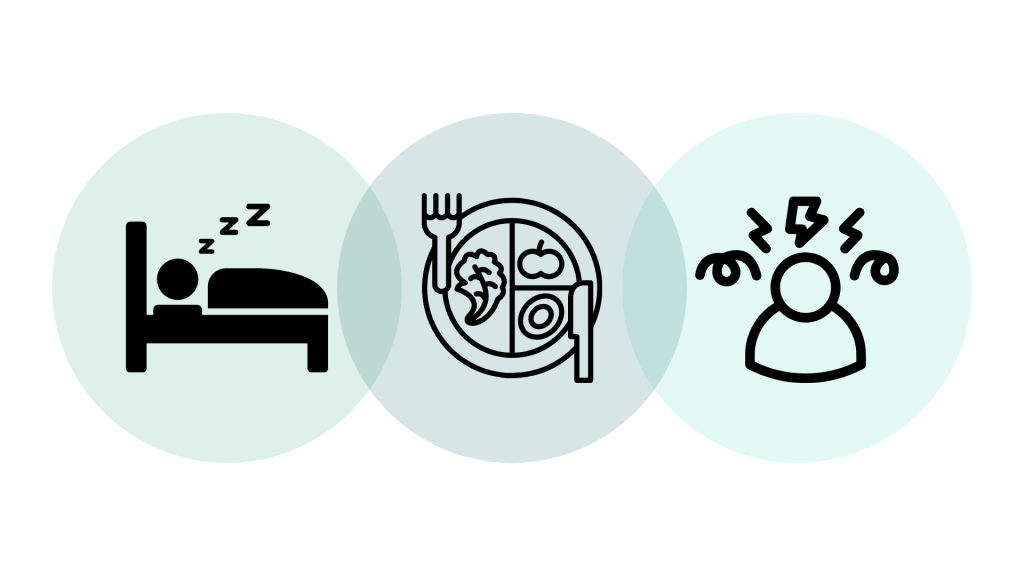
The link between metabolic function and brain health is becoming increasingly clear. Researchers emphasize that a "brain-healthy diet" is essentially a "heart-healthy diet." The Mediterranean diet, rich in whole grains, fish, and healthy fats, remains the gold standard for maintaining cognitive function. Furthermore, maintaining muscle mass is critical. Muscle is a metabolically active tissue that influences how the body processes sugar and fat; its loss, known as sarcopenia, is a major predictor of frailty and cognitive impairment.
Sleep and Stress Management
Sleep is now understood as an active "cleaning" process for the brain, where the glymphatic system flushes out metabolic waste, including proteins linked to Alzheimer’s disease. Chronic stress, which elevates cortisol levels, can lead to hippocampal shrinkage over time. Super-agers often report higher levels of optimism and lower levels of chronic stress, further protecting their neural architecture.
Addressing Inequity: The Public Policy of Aging
A critical component of the Harvard research involves the socio-economic determinants of aging. Dr. Mair points out that wealth and education are currently the best predictors of a healthy "healthspan." In cities like Boston, life expectancy can vary by decades depending on the neighborhood in which a person is born.
Social inequities, such as lack of access to nutritious food, high-stress environments, and limited educational opportunities, act as accelerators of the biological aging clock. "If we solve the problem of aging only for the fortunate, we are missing the broader public health mission," Mair states. Policymakers are increasingly looking at how improving social conditions can serve as a "macro-intervention" to slow the rate of biological aging across entire populations.
The Future: Precision Longevity and Neuroplasticity
As the science of aging moves into the next decade, the focus is shifting toward "precision longevity." This involves using proteomics—the study of proteins in the blood—and AI to assess the aging rate of specific organs in an individual. By identifying which part of a person’s system is aging fastest, doctors can tailor interventions, such as specific exercises, dietary changes, or medications.
One of the most promising frontiers is non-invasive brain stimulation. Dr. Touroutoglou is currently leading clinical trials that use electrical or magnetic stimulation to promote neuroplasticity in older adults. By targeting the specific circuits found to be robust in super-agers, researchers hope to strengthen neural connections in those experiencing early signs of decline, effectively "teaching" the brain to function with more youthful efficiency.
The ultimate goal of this research is not immortality, but the compression of morbidity—ensuring that the final years of life are spent in high-functioning health rather than in a long, slow decline. By demystifying the luck of the super-ager and turning it into a repeatable scientific framework, the medical community is moving toward a future where "taking it easy" in retirement is replaced by a life of continued challenge, social connection, and cognitive vitality.