
Maya Moore Carmelo Anthony Sports Racial Justice
Maya Moore, Carmelo Anthony, Sports, Racial Justice: A Synergistic Fight for Equity
The intersection of sports and racial justice is a landscape where powerful narratives unfold, amplified by the voices and actions of prominent athletes. Maya Moore and Carmelo Anthony, two titans of professional basketball, have emerged as significant figures in this ongoing struggle, leveraging their platforms to advocate for systemic change and challenge racial inequities. Their journeys, though distinct, converge on a shared commitment to dismantling racial injustice, demonstrating how athletic influence can translate into tangible activism. This article will explore their individual contributions, the synergy of their efforts, and the broader implications of their engagement with racial justice issues within and beyond the sports world.
Maya Moore’s activism is characterized by a profound and unwavering dedication to social justice, often leading her to step away from the pinnacle of her athletic career to focus on advocacy. Her most impactful and widely recognized engagement came with her decision to sit out the 2019 WNBA season, and subsequently declare herself a free agent, to dedicate her time to the fight for criminal justice reform, specifically concerning Jonathan Irons. Irons, a man wrongfully convicted of murder, had been in prison for decades. Moore, who had become personally acquainted with Irons and believed in his innocence, spearheaded a campaign for his release. This wasn’t a fleeting gesture; it was a deliberate and strategic commitment that required immense personal sacrifice. She utilized her considerable influence, engaging in public speaking, meeting with lawmakers, and raising awareness through various media channels. Her story resonated deeply, highlighting the systemic flaws within the justice system and the disproportionate impact of these flaws on Black communities. This act of stepping away from the sport she dominated demonstrated a prioritization of human rights and justice over personal athletic glory, setting a powerful precedent for athlete activism. Moore’s advocacy extended beyond the Irons case. She has consistently spoken out against police brutality, racial profiling, and voter suppression, using her platform to educate and mobilize. Her approach is often characterized by a deep understanding of the historical context of racial injustice in America and a commitment to dismantling the root causes of inequality. She co-founded the We Got Us campaign, aiming to empower communities and advocate for policy changes that address racial disparities. Her influence is not solely derived from her athletic achievements but from her intellectual engagement with complex social issues and her courage to act on her convictions.
Carmelo Anthony, a celebrated NBA superstar, has also carved a significant path in sports activism, particularly in addressing issues of racial injustice and community empowerment. Anthony’s commitment to social justice gained national attention during the 2016 NBA season when he, along with LeBron James, Chris Paul, and Dwyane Wade, opened the ESPY Awards with a powerful call for an end to gun violence and racial profiling. This public stance marked a pivotal moment, signaling a collective willingness of prominent athletes to use their collective voice to address pressing social issues. Anthony’s activism is deeply rooted in his personal experiences and his upbringing in Brooklyn, New York, a community that has faced its share of challenges related to poverty, crime, and racial inequity. He has consistently championed initiatives aimed at improving the lives of young people in underserved communities, establishing the Carmelo Anthony Foundation. This foundation focuses on providing resources, mentorship, and educational opportunities to at-risk youth, aiming to break cycles of poverty and violence. Beyond his philanthropic endeavors, Anthony has been a vocal critic of racial discrimination and police brutality. He has participated in protests, spoken at rallies, and used his social media platforms to share his perspectives and encourage dialogue. His willingness to engage in these sensitive conversations, even when they draw criticism, underscores his dedication to creating a more just and equitable society. Anthony’s approach often emphasizes the importance of community empowerment and the need for tangible solutions to address the systemic issues that perpetuate racial inequality. He understands that athletic success provides a platform, but true change requires sustained effort and a commitment to uplifting marginalized communities. His participation in movements like "Black Lives Matter" has been consistent and vocal, demonstrating an ongoing dedication to the cause.
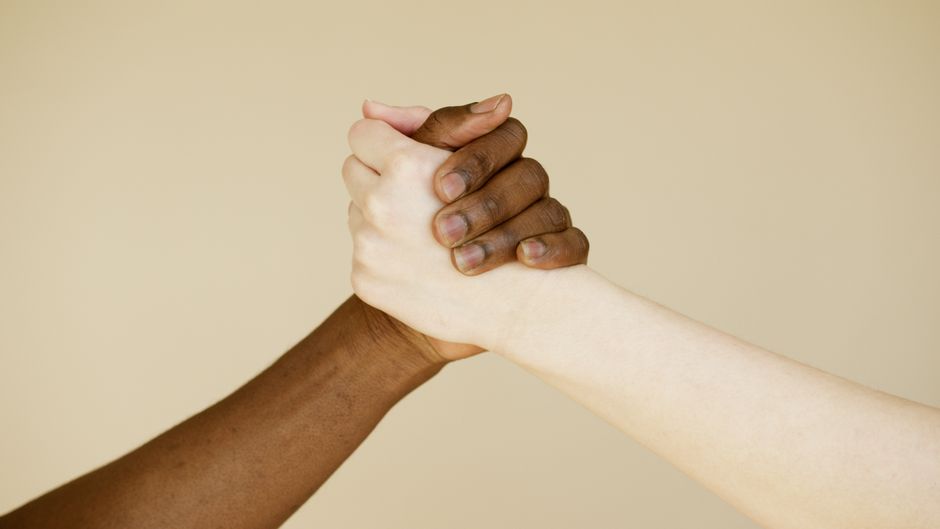
The synergy between Maya Moore and Carmelo Anthony’s activism is evident in their shared commitment to using their platforms for social good and their willingness to transcend the traditional boundaries of athletic celebrity. While their individual approaches may differ in emphasis, their collective impact is amplified by their parallel dedication to racial justice. Both have demonstrated a deep understanding of the systemic nature of racial inequality and have actively sought to address its multifaceted manifestations, from the criminal justice system to educational disparities and community development. Moore’s focus on direct action and systemic reform, exemplified by her work on the Jonathan Irons case, complements Anthony’s emphasis on community empowerment and policy advocacy. Their shared willingness to speak out, even in the face of potential backlash, signals a growing trend of athletes embracing their roles as agents of change. This convergence of their efforts contributes to a broader narrative within professional sports, where athletes are increasingly using their voices and resources to challenge injustice. The impact of their activism extends beyond the immediate issues they address. By openly engaging with racial justice, they are inspiring other athletes, fans, and individuals to become more aware and involved. They are helping to destigmatize discussions about race and inequality, making it more acceptable for individuals from all walks of life to engage in these critical conversations. The visibility they bring to these issues also puts pressure on institutions, including sports organizations, to address their own internal biases and to actively promote diversity, equity, and inclusion.
The broader implications of Maya Moore and Carmelo Anthony’s engagement with racial justice are significant and far-reaching. They exemplify the evolving role of athletes in contemporary society, moving beyond mere entertainers to become influential advocates for social change. Their actions challenge the notion that athletes should remain apolitical, demonstrating that their experiences and perspectives are valuable in shaping public discourse and driving progress. The courage they display in confronting complex and often controversial issues helps to normalize activism and inspire others to participate. Their commitment to racial justice also highlights the interconnectedness of social issues. Moore’s focus on the criminal justice system and Anthony’s emphasis on community empowerment are both vital components of a comprehensive approach to dismantling systemic racism. By addressing these interconnected issues, they contribute to a more holistic understanding of the challenges faced by marginalized communities. Furthermore, their activism serves as a powerful reminder that athletic success can be a catalyst for positive change. They utilize the spotlight that comes with their athletic achievements to amplify their messages and mobilize support for their causes. This strategic use of their platforms demonstrates a sophisticated understanding of how to leverage influence for maximum impact. The sustained nature of their commitment, extending beyond single events or statements, reinforces the idea that social justice is a long-term endeavor requiring persistent effort and dedication. Their work contributes to a growing body of evidence that athletes can be powerful forces for good, capable of driving meaningful societal transformation. The media attention their activism garners also creates opportunities for education and dialogue, reaching audiences that might not otherwise engage with these issues. This broad reach amplifies the impact of their advocacy and helps to foster a more informed and engaged citizenry.
The influence of athletes like Maya Moore and Carmelo Anthony in the realm of racial justice is undeniable and continues to evolve. Their willingness to step outside the traditional confines of their sport to champion causes they believe in has had a profound impact on public discourse and has inspired a generation of activists. Moore’s strategic sacrifice and direct involvement in legal advocacy, coupled with Anthony’s consistent community-focused initiatives and vocal public statements, offer a powerful dual approach to confronting systemic racism. Their combined efforts underscore the potent combination of individual conviction and collective action in driving social change. The continued engagement of prominent athletes in the fight for racial justice is crucial for maintaining momentum and fostering ongoing dialogue. As they continue to use their platforms to advocate for equity, they not only challenge existing injustices but also pave the way for future generations of athletes to become agents of positive transformation. Their legacies are being written not just on the court or the field, but in the communities they uplift and the systems they strive to reform.
