Masayoshi Sukita Honored with Lifetime Achievement Award at Abbey Road Music Photography Awards in London

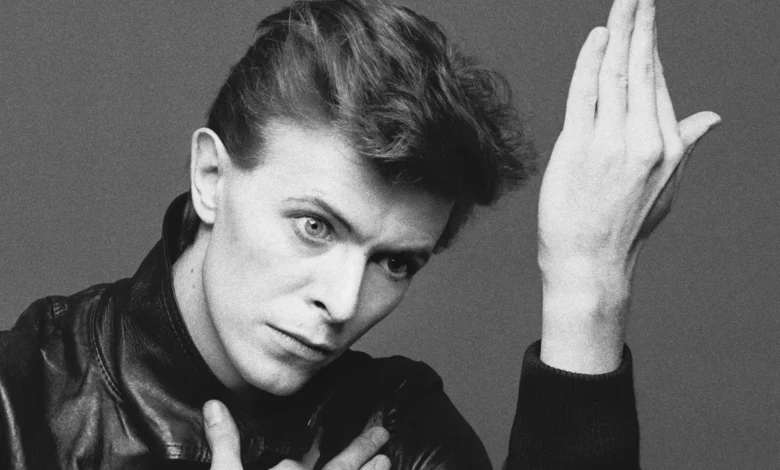
Abbey Road Studios, the legendary epicenter of musical innovation, is set to host its esteemed Abbey Road Music Photography Awards in London this September, celebrating a pivotal year for the burgeoning event. At the forefront of this year’s accolades is the presentation of the prestigious Lifetime Achievement Award to Japanese photographer Masayoshi Sukita. This recognition underscores Sukita’s profound and enduring impact on the visual narrative of music, particularly his unparalleled four-decade-long creative partnership with the iconic David Bowie.
The Abbey Road Music Photography Awards, established in 2022, have rapidly ascended to become a significant platform for celebrating the art and artistry of music photography. The event not only honors established legends but also serves as a cornerstone of the broader Abbey Road Music Photography Accelerator program. This initiative, designed to foster emerging talent and elevate the medium, encompasses a diverse range of activities, including exhibitions, workshops, and educational resources. The recent Abbey Road Music Photography Festival, held in New York City in May 2026, further cemented the program’s global reach and commitment to the art form. This year’s awards ceremony, scheduled for September 24th in London, promises to be a highlight on the cultural calendar, drawing an international contingent of photographers, artists, and industry professionals.
Masayoshi Sukita’s nomination for the Lifetime Achievement Award is a testament to a career marked by extraordinary vision and unwavering dedication. His most celebrated contribution is arguably the unforgettable cover photograph for David Bowie’s 1977 masterpiece, Heroes. This single image, imbued with a raw intensity and profound connection between artist and photographer, has become an indelible part of music history and a benchmark for album art. However, Sukita’s lens has captured the essence of numerous other influential figures. His portfolio boasts iconic portraits of Iggy Pop, Marc Bolan, Joe Strummer, the pioneering Yellow Magic Orchestra, and the enigmatic David Sylvian, each photograph offering a unique glimpse into the soul of the artist. The inaugural Lifetime Achievement Award, presented in 2025, was bestowed upon the legendary British photographer David Bailey, setting a high standard for future honorees.
Born in Kyushu, Japan, in 1938, Masayoshi Sukita’s journey into the world of visual arts began in Tokyo in 1965, where he initially honed his skills in fashion photography and television commercial production. His transition to freelance photography in 1970 marked a pivotal turning point, propelling him towards the global music scene. Between 1970 and 1971, Sukita made frequent trips to New York City, a period that yielded poignant images of Jimi Hendrix in the months leading up to his untimely death. It was also during this time that he photographed T-Rex frontman Marc Bolan, capturing the flamboyant charisma of the glam rock icon. The defining moment of Sukita’s career arrived in 1972 when he first met David Bowie in London. This encounter blossomed into a lifelong artistic collaboration that spanned continents and traversed multiple creative eras, solidifying their mutual respect and shared artistic vision.
Reflecting on the significant honor, Masayoshi Sukita expressed his profound gratitude. "It is a big honor for me to receive the Lifetime Achievement award at the Abbey Road Music Photography Awards," Sukita stated in a heartfelt message. "I am very pleased to be a part of the history of photography. I will keep working on photography, and hope people will continue to enjoy my work." His words convey a deep sense of humility and an enduring passion for his craft, a sentiment that resonates with the spirit of the awards themselves.
Mark Robertson, Director of Marketing & Creative at Abbey Road Studios, articulated the significance of Sukita’s contribution to the field. "Masayoshi Sukita is one of the true visionaries of music photography," Robertson remarked. "His images have not only documented some of the most influential artists of our time, they have helped define how we see them. Sukita created photographs that have become part of cultural history, with work that is timeless, intimate and instantly recognizable, demonstrating the power of photography to shape the identity of artists and entire eras. His influence and legacy continue to inspire across music, fashion and visual culture. We are honored to celebrate Masayoshi Sukita with the Lifetime Achievement award at this year’s Abbey Road Music Photography Awards, recognizing a lifetime spent elevating music photography into an art form." Robertson’s statement highlights Sukita’s unique ability to transcend mere documentation, transforming his photographic subjects into enduring cultural icons.
The Abbey Road Music Photography Awards have experienced a remarkable surge in participation since their inception. In 2024, the awards received an impressive tally of over 24,500 submissions from 40 different countries, representing a substantial 25 percent increase in entries compared to the previous year. This escalating volume of submissions is a clear indicator of the awards’ growing prestige and their ability to attract a diverse and global pool of talent. The increasing number of entries not only reflects the growing interest in music photography as a distinct artistic discipline but also underscores the effectiveness of the Abbey Road Music Photography Accelerator in cultivating and promoting this art form worldwide. The program’s multifaceted approach, combining awards with educational and exhibition components, has demonstrably fostered a vibrant ecosystem for music photographers.
H2: A Distinguished Judging Panel for a Prestigious Event
The caliber of the Abbey Road Music Photography Awards is further amplified by its distinguished judging panel. This year’s panel is spearheaded by the renowned British photographer, publisher, and film director, Rankin, a figure synonymous with iconic portraiture and a keen eye for artistic merit. Joining Rankin are a constellation of influential figures from the realms of music and visual arts, including Nile Rodgers, the legendary musician and producer; Raye, the critically acclaimed singer-songwriter; Damiano David, frontman of the global sensation Måneskin; Platon, the celebrated portrait photographer known for his powerful and intimate images; Dean Chalkley, whose work captures the raw energy of musicians; Dennis Morris, a pivotal documentarian of punk and reggae culture; Kid Harpoon, a Grammy-winning producer and songwriter; Lily Fontaine, lead singer of the bandoluminescence; Jackie Lee Young, a prominent music photographer; Hikaru Utada, the J-pop superstar with a discerning visual aesthetic; and Simon Wheatley, whose gritty and authentic urban photography has garnered significant acclaim.
The crucial task of shortlisting submissions falls to a dedicated panel, led by Sacha Lecca, a senior photographer for Rolling Stone. Lecca is joined by an esteemed group of industry professionals, including Andreia Lemos, Rich Fury, Khali Ackford, Ebru Yildiz, and Ped Millichamp, all of whom bring a wealth of experience and critical insight to the selection process. The meticulous curation by these panels ensures that the awards recognize work of exceptional quality, innovation, and artistic integrity.
The historical trajectory of Abbey Road Studios as a sanctuary for musical creativity provides a fitting backdrop for these awards. For decades, artists have walked its hallowed halls, leaving an indelible mark on the landscape of popular music. The Abbey Road Music Photography Awards, inaugurated in 2022, represent a natural extension of this legacy, acknowledging the vital role that visual artists play in capturing, interpreting, and disseminating the cultural impact of music. The 2025 presentation of the Lifetime Achievement Award to David Bailey, a photographer who similarly defined the visual language of his era, established a precedent for honoring those who have shaped the very perception of musical icons.
The annual Abbey Road Music Photography Awards serve as a crucial anchor for the broader Abbey Road Music Photography Accelerator. Launched in tandem with the awards, the Accelerator is a comprehensive program designed to nurture and promote music photography as a distinct art form. Its components, including exhibitions, workshops, and educational resources, aim to provide aspiring and established photographers with the tools, exposure, and networking opportunities necessary to thrive in a competitive landscape. The recent Abbey Road Music Photography Festival in New York City, for instance, offered a vibrant showcase of contemporary music photography, drawing significant international attention and fostering dialogue within the community. The increasing global participation in the awards, with over 24,500 submissions from 40 countries this year, is a testament to the Accelerator’s growing influence and its success in cultivating a worldwide appreciation for music photography. This year’s 25 percent increase in entries highlights the program’s expanding reach and its ability to inspire a new generation of visual storytellers.
The implications of Masayoshi Sukita receiving the Lifetime Achievement Award extend beyond a singular recognition. It serves as a powerful validation of the art of music photography itself, elevating it from a documentary function to a recognized artistic discipline. Sukita’s work, particularly his intimate and evocative portrayals of artists like David Bowie, demonstrates the profound capacity of photography to not only capture a moment but to define an era and shape the public’s understanding of cultural figures. His enduring collaboration with Bowie, characterized by mutual trust and a shared artistic sensibility, exemplifies the synergistic relationship that can exist between musicians and photographers, resulting in imagery that becomes as iconic as the music itself. The award acknowledges a career dedicated to this powerful intersection of sound and vision, celebrating a photographer whose work has become an inseparable part of music’s historical narrative. As the Abbey Road Music Photography Awards continue to grow in stature, they promise to further illuminate the contributions of artists like Sukita, ensuring that the visual narratives of music receive the recognition and appreciation they so rightly deserve.