The Quiet Retreat: How the End of Affirmative Action and Shifting Political Winds Are Reshaping the American Workplace Pipeline

For years, Jamila Chambers, executive director of the Hameetman Career Center at Occidental College, operated in an environment where the goal was clear: bridge the gap between diverse student populations and the professional workforce. Finance firms, tech giants, and Fortune 500 companies once flocked to campus, explicitly requesting to meet with BIPOC, first-generation, and LGBTQIA+ students. Today, Chambers describes those once-robust pipelines as having effectively dried up. This transformation is not merely a byproduct of changing market conditions, but a direct reflection of a seismic shift in the American legal and political landscape following the Supreme Court’s 2023 decision to end race-conscious admissions in higher education.
The Legal Catalyst: From Campus to Corporate Suite
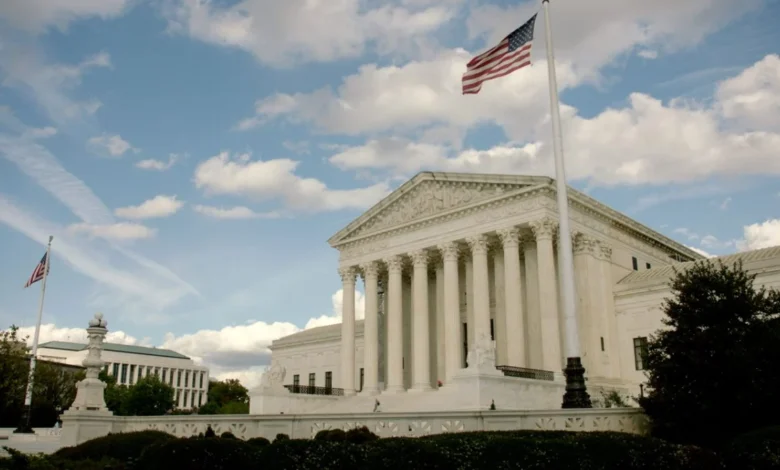
The Supreme Court’s ruling in Students for Fair Admissions v. Harvard and UNC sent shockwaves through the American educational system, effectively barring colleges from considering race as a factor in admissions. While the decision was strictly limited to higher education, its psychological and practical impact on the private sector has been profound. Despite the ruling not explicitly changing employment law or Equal Employment Opportunity Commission (EEOC) standards, a climate of apprehension has settled over corporate America.
In the months following the ruling, human resources departments across the country began a rapid reassessment of their diversity, equity, and inclusion (DEI) initiatives. A survey conducted by Columbia Business School revealed a startling disconnect: half of the human resources professionals surveyed mistakenly believed the Supreme Court’s ruling applied to workplace hiring, leading many to proactively dismantle diversity programs for fear of litigation. This "chilling effect" has been compounded by aggressive legal strategies from conservative activist groups, which have utilized the Supreme Court’s language as a roadmap to challenge corporate DEI policies, alleging that such programs constitute illegal discrimination.
Chronology of a Policy Reversal
The retreat from diversity-focused recruitment follows a distinct timeline that traces back to the heightened social consciousness of 2020:

- 2020: In the wake of the murder of George Floyd, corporations made historic public pledges to increase diversity, invest in minority-led businesses, and reform hiring pipelines.
- June 2023: The Supreme Court guts race-conscious admissions, triggering a wave of uncertainty in both academia and the private sector.
- January 2025: President Donald Trump initiates his second term by signing an executive order targeting DEI programs across federal agencies and government contractors, further pressuring private firms to fall in line.
- 2025–2026: A widespread withdrawal occurs as companies remove diversity language from their mission statements and replace diversity-focused job fairs with neutral branding.
- 2028 (Projected): The first cohort of students admitted under the post-affirmative action admissions policies will graduate and enter the workforce, providing the first comprehensive data on the long-term impact on professional diversity.
Data Trends and the Narrowing Pipeline
The quantitative shift in recruitment is becoming increasingly visible. According to research from the Burning Glass Institute, which analyzed the career trajectories of 300,000 college graduates between 2023 and 2025, the share of hires sourced from elite, private colleges rose by nearly 30 percent. Because these institutions have seen the most significant drops in racial diversity among their student bodies, the ripple effect is a narrowing of the professional pipeline for underrepresented groups.
Further evidence from Veris Insights confirms this contraction. In 2022, nearly 60 percent of major employers identified diversity as a key factor in determining their campus recruiting strategies. By 2025, that figure had plummeted to 31 percent. Concurrently, the proportion of companies that exclusively recruit from a small, curated list of "top-tier" schools has grown from 17 percent to 26 percent.
The National Association of Colleges and Employers (NACE) has tracked similar trends within internship programs—a critical "feeder" for full-time entry-level positions. Between 2021 and 2024, the percentage of white interns remained relatively stable; however, during the 2024–2025 cycle, that figure rose to 59 percent, signaling a significant shift in who is gaining access to early-career experience.
The Political and Regulatory Atmosphere
The pressure on corporate diversity programs is not purely legal; it is deeply political. The Heritage Foundation and other influential think tanks have actively lobbied state and federal governments to blacklist corporations that maintain DEI positions or diversity-focused recruitment practices. This has led to a noticeable silence from major players in the tech and finance sectors. When queried for comment, companies like Meta, Google, Walmart, and Goldman Sachs—all of which had previously championed their diversity efforts—declined to discuss their current recruitment strategies.
The executive order signed in early 2025 by President Trump, which characterized DEI programs as "discriminatory and illegal," provided a formal impetus for this retreat. Even in states like California, where race-based affirmative action has been banned in public universities since 1996, the environment has shifted. Career centers at institutions like the University of California, Berkeley, and San Jose State have reported that federal agencies and private firms are no longer requesting diversity-focused recruitment events, and many have rebranded "diversity job fairs" to avoid potential political or legal scrutiny.

Implications for the Future Workforce
The implications of this shift are a subject of intense debate. Frederick Hess, director of education policy studies at the American Enterprise Institute, argues that the focus on race-based preferences was always a flawed proxy for true diversity. "Businesses can’t pretend that selecting employees based on skin color is a good proxy for all of the rich differences that they say they want to attend to," Hess stated. He suggests that a broader focus on regional, socioeconomic, and ideological diversity would lead to more sustainable and equitable outcomes.
Conversely, sociologists and higher education experts, such as Natasha Warikoo of Tufts University, view the current climate as a reactionary "backlash" against the progress made in the early 2020s. For students like Winnie Tuban and Daniella Mensah, the shift is personal. Tuban, a first-generation Filipino graduate from San Jose State, noted that the public rhetoric surrounding the "war on DEI" has created an unwelcoming atmosphere, even for high-achieving students who possess the skills needed for Silicon Valley’s top firms.
Conclusion: A New Landscape of Opportunity
As the workforce prepares for the 2028 entry of the first post-affirmative action college cohort, the structural changes in how companies identify and cultivate talent are firmly in place. The reliance on a smaller, more exclusive set of universities for hiring, combined with the removal of proactive outreach to underrepresented student groups, suggests that the barriers to entry for minority and first-generation candidates are likely to increase.
For practitioners like Jamila Chambers, the challenge is now to find new ways to support students in a landscape where the institutional guardrails are being systematically dismantled. As she looks at the photo of Ruby Bridges in her office—a reminder of the history of integration—she acknowledges the difficulty of the current moment. "It is a challenge," Chambers says. "But we’re up for it."
Whether these changes will result in a more "merit-based" system, as proponents of the current trend suggest, or a return to a more exclusionary professional class, as critics fear, will be the defining workforce narrative of the next decade. For now, the silence from corporate suites and the renaming of career programs serve as clear indicators that the era of aggressive corporate diversity outreach has, at least for the time being, come to a definitive end.