
The Rise Of The Wellness App
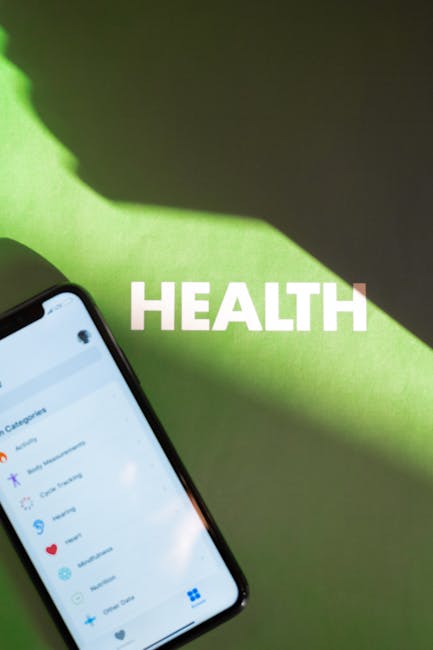
The Rise of the Wellness App: Digital Wellbeing in the Palm of Your Hand
The digital revolution has fundamentally reshaped how individuals approach their physical and mental health. Central to this transformation is the explosive growth and increasing sophistication of wellness applications. These digital tools, ranging from meditation and fitness trackers to sleep monitors and nutrition planners, have moved from niche offerings to mainstream necessities for millions worldwide. This article will delve into the multifaceted reasons behind this ascent, exploring the technological advancements, evolving consumer demands, and the inherent benefits that have cemented the wellness app’s position as an indispensable component of modern self-care. The accessibility, personalization, and data-driven insights offered by these applications have democratized wellbeing, empowering individuals to take proactive control of their health journeys in ways previously unimaginable.
The inherent accessibility of smartphones and the ubiquity of mobile internet access form the foundational pillars of the wellness app phenomenon. No longer is specialized equipment or in-person consultation the sole gateway to health guidance. With a device that most people carry constantly, a vast array of wellness resources is readily available. This low barrier to entry has been instrumental in broadening the reach of health and fitness initiatives beyond traditional demographics. Individuals in remote areas, those with limited mobility, or those facing time constraints can now engage with sophisticated wellness programs without geographical or logistical limitations. The app store, once a repository of games and social media, has evolved into a comprehensive digital health clinic, offering solutions for a spectrum of wellbeing needs, from managing chronic conditions to cultivating mindful habits. This pervasive digital infrastructure has created a fertile ground for the widespread adoption and continued innovation within the wellness app sector.
Technological advancements have been a critical catalyst for the sophisticated capabilities of modern wellness apps. Wearable technology, such as smartwatches and fitness trackers, has become increasingly integrated with these applications, providing a continuous stream of real-time physiological data. Heart rate, sleep patterns, activity levels, and even stress indicators can be accurately monitored and fed directly into apps for analysis. This data fusion allows for hyper-personalized recommendations and feedback, moving beyond generic advice to tailored interventions. Furthermore, advancements in artificial intelligence (AI) and machine learning (ML) are enabling apps to offer increasingly intelligent features. AI-powered chatbots can provide mental health support, personalized workout plans can adapt to individual progress, and nutrition apps can learn dietary preferences and generate customized meal plans. The integration of biometric sensors, GPS tracking, and sophisticated algorithms has transformed passive data collection into actionable insights, making wellness apps powerful tools for proactive health management.
The evolving consumer mindset, particularly the increasing emphasis on preventative health and holistic wellbeing, has significantly fueled the demand for wellness apps. There’s a growing awareness that health is not merely the absence of disease but a dynamic state encompassing physical, mental, and emotional equilibrium. This shift has led individuals to actively seek out tools that can support them in achieving and maintaining this balance. The desire for self-improvement, stress reduction, and enhanced mental clarity are powerful motivators for users. Many individuals are disillusioned with the reactive nature of traditional healthcare and are proactively seeking to prevent issues before they arise. Wellness apps cater directly to this proactive approach, offering accessible and engaging ways to build healthy habits, develop resilience, and cultivate mindfulness. The digital space has become a primary avenue for individuals to explore and invest in their personal wellbeing, driven by a desire for autonomy and empowerment over their health.
Personalization is a cornerstone of the modern wellness app’s appeal. Gone are the days of one-size-fits-all solutions. These applications leverage user data, preferences, and even biometric feedback to create bespoke experiences. For fitness apps, this means generating workout plans that adapt to an individual’s fitness level, goals, and available equipment. For nutrition apps, it translates to meal suggestions tailored to dietary restrictions, allergies, and taste preferences. Mental wellness apps can offer guided meditations or mindfulness exercises based on a user’s stated mood or stress levels. This level of customization fosters greater engagement and adherence, as users feel that the app understands and caters to their unique needs and circumstances. The ability to track progress and receive personalized insights creates a feedback loop that reinforces positive behaviors and encourages continued engagement with the app. This individualized approach is a significant differentiator from traditional, less personalized health interventions.
The gamification of health and fitness within wellness apps has proven to be a highly effective strategy for driving user engagement and motivation. Features such as streaks, badges, leaderboards, and rewards transform potentially mundane health routines into engaging challenges. Users are motivated by the pursuit of virtual achievements, the desire to outperform their personal bests, or to compete with friends. This element of playfulness makes the often-challenging journey of habit formation more enjoyable and sustainable. For instance, a running app might award a badge for completing a certain distance or maintaining a consistent running streak. A meditation app could offer points for daily practice, unlocking new guided sessions. This psychological priming, leveraging principles of behavioral economics, encourages users to consistently interact with the app and, by extension, to consistently engage in healthy behaviors. Gamification taps into intrinsic motivators like accomplishment and social connection, making the pursuit of wellbeing a more rewarding experience.
The quantifiable nature of data collection and analysis within wellness apps provides users with tangible proof of their progress, fostering accountability and motivation. Tracking daily steps, calories burned, sleep duration, or meditation minutes offers concrete metrics that illustrate an individual’s commitment and improvements. This data can be visualized through charts and graphs, allowing users to see their journey unfold over time. This objective feedback loop is incredibly powerful. It allows users to identify patterns, understand what works best for them, and make informed adjustments to their routines. Furthermore, many apps allow users to share their progress with friends or accountability partners, adding a social dimension to their health goals. The ability to see tangible results, even small incremental ones, can be a significant motivator, especially during periods of low motivation or when facing setbacks. This data-driven accountability transforms abstract health goals into measurable achievements.
Mental wellness apps have witnessed a particularly dramatic surge in popularity, reflecting a growing societal recognition of the importance of mental health. Apps offering guided meditations, mindfulness exercises, cognitive behavioral therapy (CBT) techniques, and mood tracking have become invaluable resources for individuals seeking to manage stress, anxiety, depression, and improve overall emotional wellbeing. The stigma surrounding mental health is gradually diminishing, and individuals are increasingly comfortable seeking digital support. These apps provide a private, accessible, and often more affordable alternative or supplement to traditional therapy. They empower individuals with practical tools and techniques to build resilience, develop coping mechanisms, and cultivate a more positive mindset. The ability to access immediate support during moments of distress, whether it’s a short breathing exercise or a guided meditation, has made these apps indispensable for many.
The COVID-19 pandemic acted as a significant accelerant for the adoption of wellness apps. Lockdowns, social distancing measures, and increased awareness of health vulnerabilities led a vast number of people to seek digital solutions for their health and wellbeing needs. Gyms closed, in-person fitness classes were canceled, and mental health services faced overwhelming demand. In this context, wellness apps provided a vital lifeline, enabling individuals to stay active, manage stress, and maintain healthy routines from the confines of their homes. The shift to remote work also blurred the lines between work and personal life, increasing stress and the need for effective self-care strategies. This period highlighted the resilience and adaptability of digital health solutions, solidifying their importance in the long term. The pandemic fundamentally reshaped consumer behavior and cemented the role of digital wellness in everyday life.
The integration of wellness apps with other digital platforms and services is creating a more holistic and interconnected health ecosystem. This includes integration with electronic health records (EHRs), telehealth platforms, and even smart home devices. For example, a fitness app might sync with a doctor’s patient portal, providing healthcare professionals with valuable data about a patient’s activity levels and lifestyle habits. Telehealth consultations can be enhanced by data from wearable devices, allowing for more informed diagnoses and treatment plans. The potential for these integrations is vast, promising a future where our digital health tools work seamlessly together to provide comprehensive and proactive care. This interconnectedness moves beyond siloed health tracking to a more integrated and intelligent approach to wellbeing.
The market for wellness apps is not without its challenges and areas for improvement. Data privacy and security remain paramount concerns for users, and developers must prioritize robust security measures to protect sensitive health information. The accuracy and reliability of data collected by some apps, particularly those relying on user input, can be variable. Furthermore, the sheer volume of wellness apps available can lead to confusion and overwhelm for consumers, making it difficult to identify the most effective and trustworthy options. Regulatory oversight and standardization for health-related apps are also evolving areas. Despite these challenges, the trajectory of the wellness app market is undeniably upward, driven by continuous innovation and an increasing consumer appetite for accessible, personalized, and data-driven wellbeing solutions. The future will likely see even greater sophistication, deeper integration, and a more profound impact on public health.
