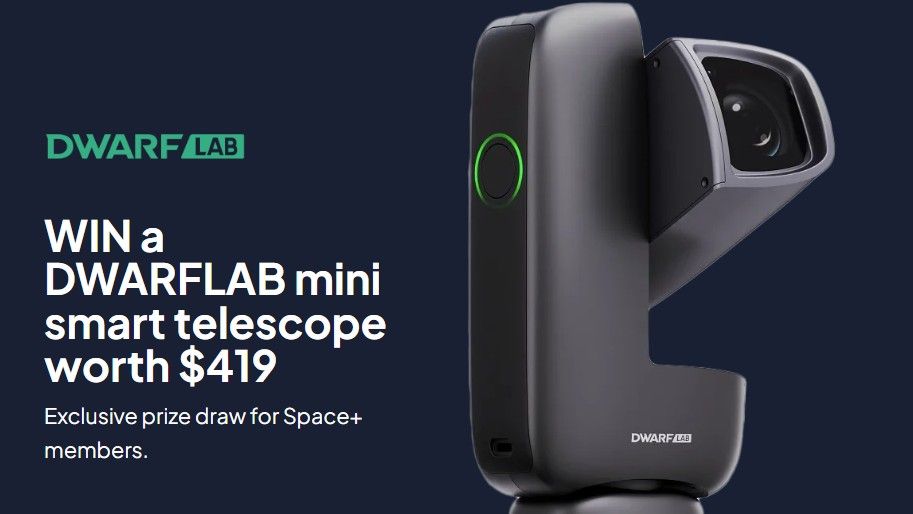
Tired of spending all your money on Black Friday deals? Our free giveaway gives you the chance to win a Dwarf Mini smart…

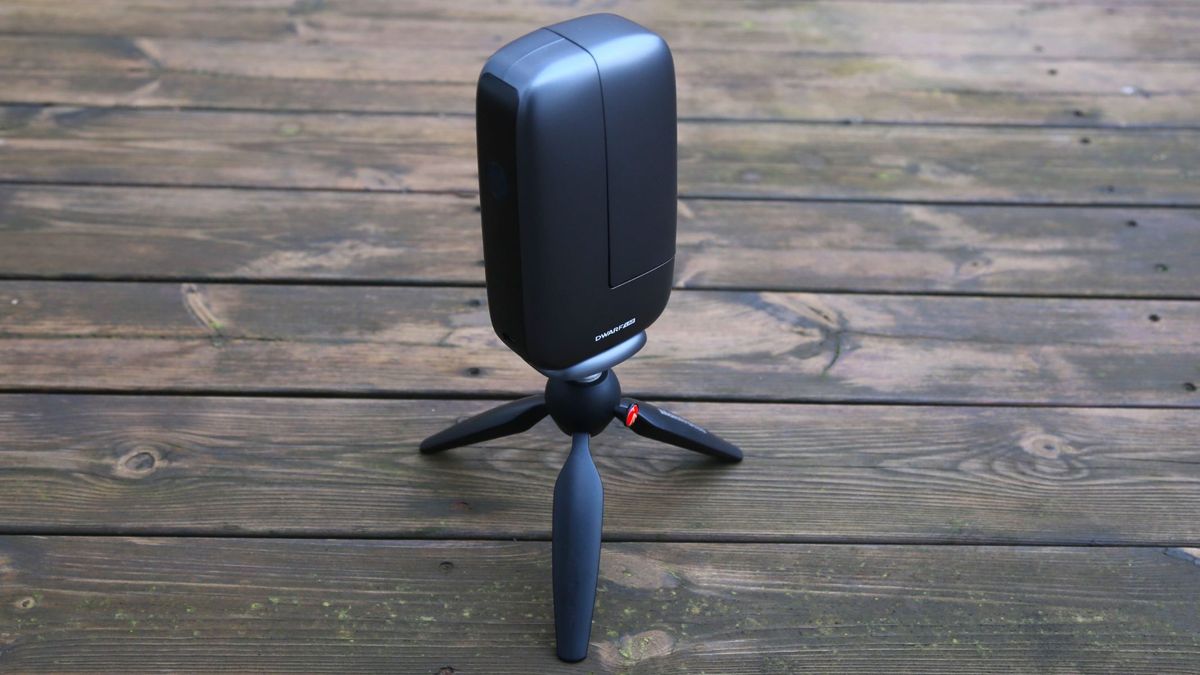
The Dwarflab Dwarf Mini has emerged as a standout piece of consumer-grade optical equipment since its introduction in 2026. Designed to address the primary barriers to entry for new astrophotographers—namely complexity, size, and cost—the device has been lauded for its "pocket-sized" form factor. According to technical evaluations, the telescope manages to consolidate image processing, automated tracking, and high-sensitivity sensors into a chassis that fits comfortably into a standard camera bag.
The Rise of Smart Telescopes in Modern Astronomy
The market for smart telescopes has seen exponential growth over the last three years. Traditionally, astrophotography required a significant investment in equatorial mounts, dedicated cooled cameras, autoguiders, and a steep learning curve regarding post-processing software. The current generation of "smart" devices, such as the Dwarf Mini, effectively automates the alignment, tracking, and stacking processes.
By utilizing onboard AI-driven image stacking, these devices can capture light from distant galaxies, nebulae, and star clusters in real-time. This shifts the focus from technical labor—such as polar alignment and complex exposures—to the observational experience itself. For the average hobbyist, this represents a transition from viewing astronomy as a chore of logistics to viewing it as a seamless exploration of the cosmos.
Technical Specifications and Capabilities
The Dwarflab Dwarf Mini is not merely a novelty; it is a functional instrument capable of capturing light that the naked eye cannot perceive. In testing, the device has demonstrated proficiency in several key areas:
- Deep Sky Imaging: The sensor sensitivity allows for the capture of faint deep-sky objects (DSOs) that would typically require minutes or hours of exposure on manual equipment.
- Solar Observation: With the appropriate solar filter, the device enables the safe viewing and imaging of the sun, capturing solar activity such as sunspots with relative ease.
- Portability: Weighing significantly less than traditional setups, it allows for mobile stargazing at "dark sky" sites, where light pollution is minimal and the clarity of the night sky is at its peak.
The device’s 4/5-star rating in professional reviews underscores its reliability. It serves as a bridge between a standard optical telescope and a full-scale professional observatory setup, providing enough depth for beginners to learn the basics of celestial coordinates and image composition without the frustration of equipment failure or mechanical misalignment.
Membership and Participation Logistics
The giveaway is part of a broader strategy to enhance the value proposition of the Space+ membership program. Access to the program is currently free, requiring only an email registration. This structure is designed to build a robust community of enthusiasts who receive curated updates on celestial events, in-depth gear reviews, and exclusive editorial content.
The eligibility criteria for the prize draw are specific: the contest is currently open to residents of the United States. The entry period concludes on January 4, 2027. This timeline allows for an extended window of participation, ensuring that a wide range of individuals—from students to retirees—have the opportunity to join the community and enter the draw. Two units of the Dwarf Mini are being allocated for the giveaway, with two winners to be selected based on the terms and conditions outlined on the official contest page.
The Broader Impact on Amateur Stargazing
The introduction of such hardware into the mainstream market—and its availability through community-focused initiatives—highlights a broader trend in science communication. As light pollution continues to affect urban and suburban environments globally, the ability to "see" through that pollution using digital enhancement is becoming a vital skill.
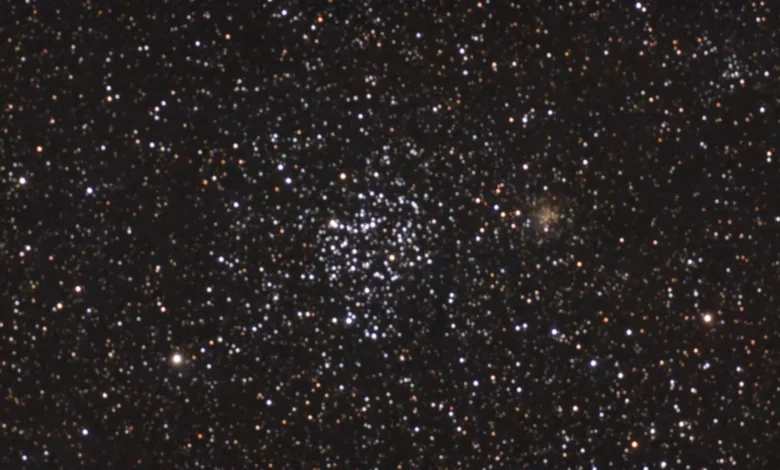
Organizations that facilitate the distribution of such equipment are contributing to a scientific literacy movement. When a member of the public can easily capture a high-resolution image of the Beehive Cluster or the lunar surface from their own backyard, the barrier between professional astrophysics and public interest is significantly lowered. This "citizen science" approach empowers individuals to contribute to a culture of curiosity and discovery.
Chronology of the Initiative
The decision to offer the Dwarf Mini as a prize follows a series of successful tests and reviews conducted by industry experts throughout 2026. The timeline for the program is as follows:
- Late 2026: Initial review and assessment of the Dwarf Mini’s performance capabilities and market viability.
- December 2026: Formal announcement of the Space+ membership initiative and the launch of the inaugural prize giveaway.
- January 4, 2027: Deadline for all entries. Following this date, the winners will be determined in accordance with the official contest rules.
- Post-January 2027: Future expansions of the Space+ program are expected, with potential plans for further giveaways, expert-led webinars, and exclusive community forums.
Looking Toward the Future
The integration of smart telescopes into the home is likely just the beginning. As technology advances, we can expect to see higher-resolution sensors, improved AI-assisted tracking, and even more compact designs. The Dwarflab Dwarf Mini stands at the forefront of this evolution.
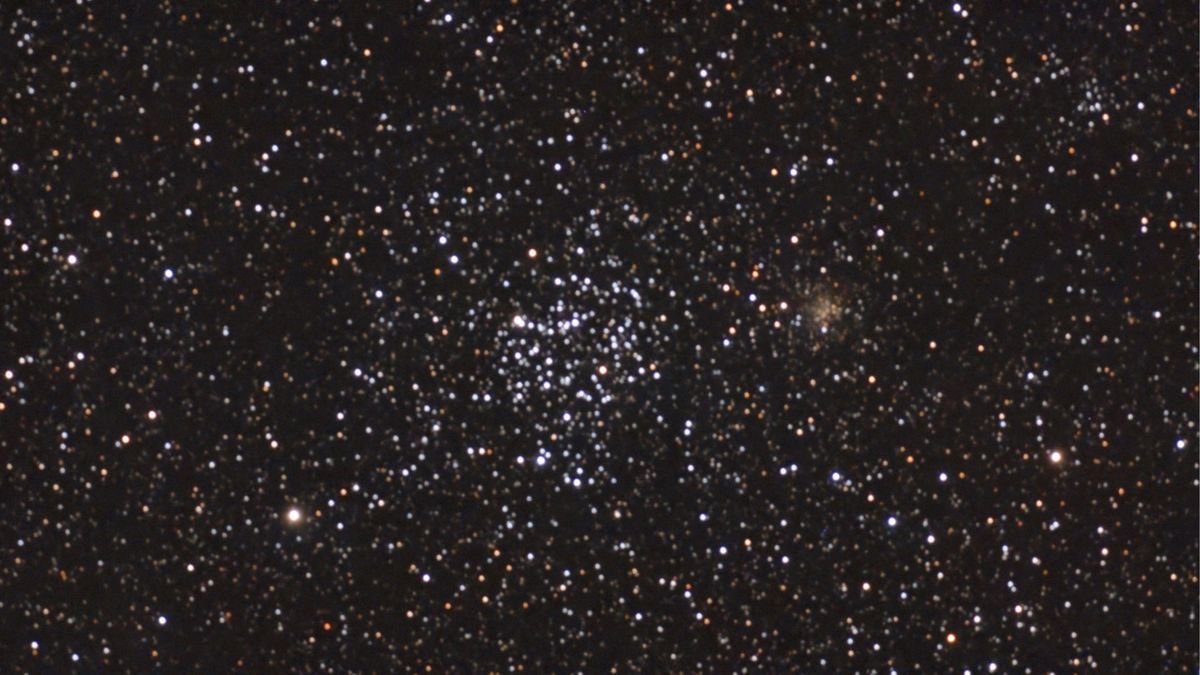
For those who have long considered taking up astronomy but were deterred by the perceived difficulty, this moment offers a unique intersection of low cost and high accessibility. By signing up for Space+, members gain more than just a chance at winning equipment; they gain access to a network of individuals who share a commitment to observing, documenting, and understanding the universe.
As the industry matures, the focus will likely shift toward connectivity—allowing users to share their data globally and collaborate on observing campaigns. Whether it is tracking a solar eclipse or monitoring the brightness fluctuations of variable stars, the potential for amateur contributions remains vast.
In conclusion, the effort to distribute the Dwarflab Dwarf Mini telescopes serves as both a promotional initiative and a catalyst for scientific engagement. For residents of the U.S. looking to enhance their astronomical toolkit, the opportunity to secure a high-quality instrument at no cost is a significant incentive to join the growing Space+ community. As the deadline of January 4, 2027, approaches, the initiative stands as a testament to the enduring appeal of the night sky and the power of technology to make its wonders accessible to all.