Transforming Digital Recipe Clutter Into Dinner: A Comprehensive Look at the ReciBites Plus Lifetime Subscription Deal

The modern home cook faces a paradox of choice. Across social media platforms, culinary blogs, digital pinboards, and smartphone photo galleries, millions of individuals save thousands of recipes daily. Yet, the transition from saving a virtual dish to actually preparing it remains a persistent friction point in domestic life. Culinary inspiration is rarely centralized; instead, it is scattered across screenshots of TikTok videos, saved Instagram posts, bookmarked website links, and photos of dog-eared cookbook pages. This fragmentation often results in decision fatigue, wasted groceries, and a persistent reliance on takeout despite a virtual library of gourmet ideas.
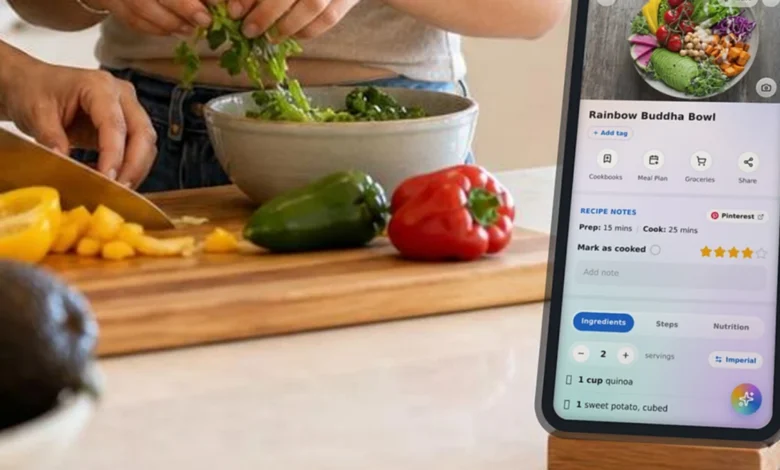
Addressing this contemporary culinary disorganization, software developers have increasingly turned to artificial intelligence to streamline meal planning. A notable entry in this space is ReciBites, an AI-powered culinary organization platform. Currently, the company is offering a lifetime subscription to its premium tier, ReciBites Plus, for $39.99—a steep discount from its standard $360 retail value. This promotion brings enterprise-grade recipe curation, automated nutritional analysis, and intelligent grocery management to everyday consumers at a fraction of the historical cost.
The Evolution of Digital Meal Planning and Recipe Management
To understand the value proposition of modern recipe curation software, it is helpful to examine the evolution of how humans have stored and shared culinary knowledge. For centuries, recipes were passed down orally or recorded in handwritten family cookbooks. The late 20th century brought the proliferation of television cooking shows and mass-market publishing, shifting recipes into professionally edited anthologies.
The advent of the internet democratized recipe sharing, moving culinary knowledge from closed print publications to open web blogs and forums. However, this explosion of content created a new problem: overload. Web-based recipe sites became notorious for lengthy personal anecdotes and intrusive digital advertisements, prompting users to seek out alternatives.
With the rise of short-form video platforms like TikTok, Instagram Reels, and YouTube Shorts, recipe discovery shifted again. Visual appeal became paramount, and users began capturing fleeting moments of video content through screenshots or native app bookmarks. Unfortunately, social media platforms are optimized for engagement, not archiving. Finding a specific pasta recipe saved six months ago in a labyrinth of TikTok likes or camera roll screenshots can prove nearly impossible.
ReciBites was engineered to solve this exact logistical bottleneck, acting as a centralized repository designed to ingest, parse, and operationalize culinary content from disparate digital and physical sources.
Core Features and Technological Capabilities of ReciBites Plus
The primary innovation of ReciBites lies in its multi-channel ingestion engine. Users are not restricted to manual data entry or a single partnered website. Instead, the application accepts recipe inputs from virtually any source, including major social networks such as Instagram, Facebook, TikTok, YouTube, and Pinterest. Furthermore, it supports traditional URLs, raw text notes, digital screenshots, and even photographs of physical cookbooks or handwritten index cards.
Once a recipe is imported, the platform utilizes optical character recognition (OCR) and natural language processing (NLP) to extract relevant data. Duplicate detection algorithms automatically scan the user’s growing library to prevent the accidental saving of identical or near-identical dishes, thereby maintaining a streamlined collection. Users can then organize their curated recipes into unlimited digital cookbooks categorized by cuisine, occasion, or dietary preference.
Beyond mere storage, ReciBites employs artificial intelligence to analyze the nutritional composition of each dish. The AI breaks down recipes into precise ingredient lists, calorie counts, macronutrient distributions, and key micronutrients. For households managing specific health conditions, fitness goals, or dietary restrictions, this feature provides critical oversight. Smart dietary alerts flag recipes that conflict with a user’s stated profile, while an intelligent substitution engine suggests personalized ingredient swaps to accommodate higher-protein, lower-sugar, halal, vegan, or allergy-free requirements.
From Curation to Consumption: Meal Planning and Grocery Logistics
The operational value of a recipe app is ultimately tested in the kitchen and the supermarket aisle. ReciBites bridges the gap between inspiration and execution through automated weekly meal planning features. Once a user selects a sequence of meals for the week, the software automatically aggregates the necessary components into a unified grocery list.
This feature incorporates intelligent logistical optimization. The system merges duplicate ingredients required across multiple recipes—ensuring, for instance, that a user does not accidentally purchase three separate bunches of cilantro for three different dishes. Furthermore, the generated shopping list is organized by supermarket aisle, minimizing time spent navigating grocery stores.
During the cooking process, the application offers interactive utility. Users can dynamically scale ingredient quantities based on serving size adjustments, convert measurement units between metric and imperial systems, and follow step-by-step cooking instructions in a distraction-free interface.
In scenarios where users face the common dilemma of staring at random refrigerator leftovers with no clear plan, the platform’s AI Cooking Assistant can generate bespoke recipes utilizing only the ingredients currently on hand. Additionally, the application incorporates social networking features, allowing users to connect with friends, share curated collections, and view real-time cooking trends within their trusted personal circle rather than relying on algorithmic feeds populated by strangers.
Market Positioning and Economic Implications of Lifetime Software Deals
The pricing strategy behind the ReciBites Plus promotion—dropping from an annualized or long-term value model of $360 down to a $39.99 lifetime fee—reflects broader shifts in the consumer software market. Known commonly as "lifetime access" deals, these promotions are frequently utilized by emerging software-as-a-service (SaaS) startups to rapidly acquire user acquisition volume, build brand loyalty, and secure upfront capital.
From an economic perspective, subscription fatigue has become a significant factor in consumer spending. With media streaming, cloud storage, productivity tools, and fitness apps all demanding monthly or annual fees, consumers increasingly resist adding yet another recurring subscription to their household budgets. By offering a one-time purchase option, ReciBites lowers the psychological barrier to entry, appealing directly to cost-conscious households seeking long-term utility without ongoing financial commitments.
However, industry analysts note that lifetime software models require careful financial balancing on the part of the developer to ensure ongoing server maintenance, continuous AI model updates, and customer support. For the end-user, securing a comprehensive tool at a nearly 90% discount represents a high-value opportunity, provided the platform maintains active development and software updates over the long term.
Broader Impact on Domestic Efficiency and Food Waste
The implications of adopting intelligent recipe management extend beyond personal convenience into broader socioeconomic concerns, most notably food waste management and nutritional health.
According to various agricultural and environmental studies, a significant percentage of household food waste occurs due to poor meal planning, uncoordinated grocery shopping, and the eventual spoilage of perishable ingredients bought on impulse. When consumers lack visibility into what they have purchased or how to utilize remaining pantry staples, food is routinely discarded.
By integrating recipe curation, smart grocery consolidation, and pantry-inventory utilization into a single ecosystem, applications like ReciBites aim to mitigate these inefficiencies. When grocery lists are meticulously curated to match exact meal plans, consumers buy fewer redundant items. When leftover ingredients can be instantly converted into alternative recipes via artificial intelligence, the likelihood of those ingredients expiring in the back of the refrigerator decreases significantly.
Furthermore, the democratization of nutritional tracking empowers individuals to make informed dietary choices without the friction of manual logging. By automatically breaking down macros and calories from unstructured web content, the app lowers the barriers to maintaining specialized nutritional regimens, whether for weight management, athletic performance, or chronic disease mitigation.
Conclusion and Outlook for Digital Kitchen Assistants
As artificial intelligence continues to permeate consumer software, the kitchen is rapidly emerging as a primary frontier for practical automation. While early consumer tech focused heavily on entertainment and workplace productivity, the current wave of innovation addresses fundamental domestic logistics—cooking, eating, and provisioning.
The ReciBites Plus offering illustrates how advanced natural language processing and computer vision can eliminate the administrative overhead of daily life. By consolidating chaotic digital breadcrumbs—from TikTok bookmarks to dusty family cookbooks—into an organized, actionable culinary database, the platform transforms a historically tedious chore into an integrated digital experience.
For consumers overwhelmed by the modern abundance of online food media, solutions that bridge the gap between inspiration and execution offer a compelling utility. With the lifetime access promotion currently reducing the financial barrier of entry to $39.99, the platform provides an accessible entry point for households looking to reclaim order in the kitchen, reduce food waste, and systematically translate virtual inspiration into tangible dinner plates.