WHO Launches PROTECT Strategies to Combat Global Drowning Crisis Ahead of World Drowning Prevention Day

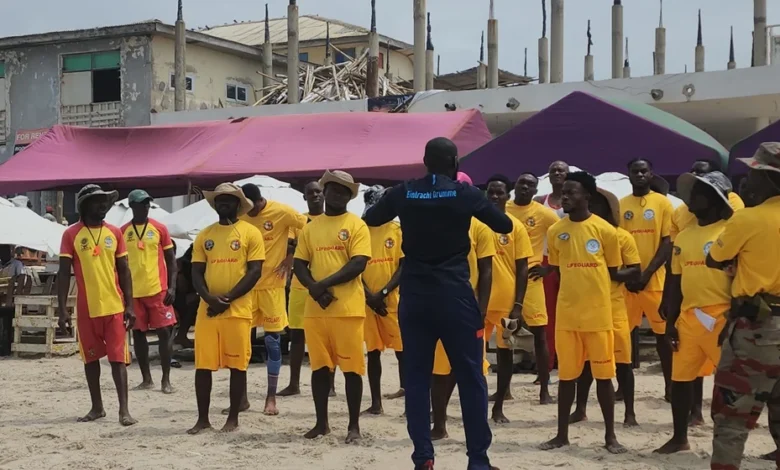
Ahead of World Drowning Prevention Day on 25 July, the World Health Organization (WHO) has unveiled a comprehensive new technical package designed to empower governments and communities in implementing seven evidence-based measures to significantly reduce drowning fatalities worldwide. This initiative comes at a critical juncture, as drowning continues to be a major global health concern, claiming an estimated 300,000 lives annually and remaining a leading cause of death for children between the ages of 5 and 14.
The Alarming Scale of the Drowning Epidemic
The stark reality of drowning deaths is most acutely felt in low- and middle-income countries, where over 90% of these preventable tragedies occur. These fatalities are not confined to a single type of water body; they tragically occur in rivers, lakes, wells, domestic water storage containers, and swimming pools, highlighting the pervasive nature of the risk. The WHO’s latest efforts aim to provide a robust framework for intervention, recognizing that drowning is a complex issue with multifaceted contributing factors.
Climate Change: An Emerging Catalyst for Drowning Risks
Adding a layer of urgency to the global drowning crisis is the escalating impact of climate change. The increasing frequency and intensity of extreme weather events, such as floods, storms, and heatwaves, are directly contributing to a higher risk of drowning incidents. Scientific studies have established a clear and concerning link between rising global temperatures and an increase in drowning fatalities. For instance, research conducted in the United Kingdom revealed a significant correlation: for every one-degree Celsius rise in temperature, drowning deaths escalate by 7.2%. The risk is amplified dramatically on warmer days, with the likelihood of drowning becoming nearly five times higher on days when temperatures exceed 25°C compared to cooler days below 10°C. This phenomenon underscores the interconnectedness of environmental changes and public health emergencies, necessitating a proactive and adaptive approach to drowning prevention.
The PROTECT Framework: A Beacon of Hope
Dr. Tedros Adhanom Ghebreyesus, WHO Director-General, articulated the critical need for action, stating, "Every drowning is a tragedy, and most are preventable." He introduced the seven key strategies, collectively known as PROTECT, as practical, evidence-based approaches designed to equip nations with the tools to avert these preventable deaths. These strategies encompass a range of interventions, from enhancing the safety of water transport to equipping school children with essential swimming skills and bolstering preparedness for flood-related emergencies. Dr. Ghebreyesus emphasized that drowning prevention is not the sole responsibility of a single ministry but a collective endeavor requiring broad societal engagement, with the ultimate reward being the lives saved.
The PROTECT package is a tangible translation of the vision outlined in the WHO’s first-ever Global Strategy for Drowning Prevention: Turning the Tide on a Leading Killer. This foundational strategy was launched in 2025 by the WHO-hosted Global Alliance for Drowning Prevention. The PROTECT technical package builds upon this strategic vision by offering policymakers concrete, evidence-informed recommendations across seven interconnected domains. These domains are meticulously designed to strengthen safety around water bodies and mitigate drowning risks. While the specific seven strategies within PROTECT were not detailed in the initial announcement, their categorization under this acronym signifies a structured and holistic approach to tackling the issue.
Ghana: A Pioneer in Drowning Prevention Efforts
The official launch of the PROTECT package is being hosted in Ghana, a nation demonstrating a growing political commitment to drowning prevention and actively working to enhance its water safety measures. In Ghana, the burden of drowning is substantial, with an estimated 1,100 lives lost annually. This translates to an average of three deaths per day, with children and young adults bearing a disproportionate share of this devastating toll. The choice of Ghana for this pivotal launch underscores the country’s emerging leadership in addressing this preventable tragedy and serves as a powerful example for other governments worldwide to adopt similar evidence-based policies aimed at reducing drowning deaths and safeguarding vulnerable communities.
This initiative in Ghana is the culmination of over a decade of collaborative efforts between the WHO, national governments, and various partners. This sustained collaboration has been instrumental in advancing evidence-based drowning prevention actions on a global scale, laying the groundwork for the comprehensive PROTECT framework.
Endorsement and Partnership: A Collective Commitment
Dr. Kelly Henning, who leads the public health program at Bloomberg Philanthropies, expressed strong support for the WHO’s initiative. "This framework will save lives while building on the progress governments around the world are making to prevent drowning deaths in their countries," she stated. Dr. Henning highlighted Bloomberg Philanthropies’ extensive work with governments globally to implement effective drowning prevention strategies and applauded the WHO’s leadership in this critical area. She affirmed the organization’s continued commitment to supporting the WHO and local governments as they integrate the PROTECT technical package into their national strategies.
Bloomberg Philanthropies has been a key partner of the WHO in drowning prevention since 2014. Their support has been foundational in developing essential resources that have guided global best practices for prevention interventions, including the very PROTECT technical package being launched. This enduring partnership exemplifies the power of collaboration in addressing complex global health challenges.
The Call to Action: "Unite to Turn the Tide"
The theme for this year’s World Drowning Prevention Day, "Unite to Turn the Tide," encapsulates the urgent need for coordinated action. It calls upon governments, diverse sectors, and communities to come together in a unified effort to prevent drowning and, most importantly, to save lives. This theme resonates deeply with the spirit of the PROTECT initiative, emphasizing that a multi-sectoral and collaborative approach is essential to effectively combatting the global drowning crisis. The comprehensive nature of the PROTECT package, coupled with the strong partnerships forged by the WHO, offers a renewed sense of optimism in the ongoing fight against this persistent public health threat. The success of this initiative will hinge on its widespread adoption and effective implementation across diverse national contexts, ultimately contributing to a future where fewer lives are tragically lost to drowning.