Stroke remains one of the most significant medical challenges of the modern era, functioning as a leading cause of long-term disability and mortality worldwide. Statistically, the global burden is immense; according to the World Stroke Organization, approximately one in four adults will experience a stroke in their lifetime. In the aftermath of such a neurological catastrophe, roughly half of all survivors are left grappling with chronic impairments, ranging from hemiplegia and speech disorders to profound cognitive deficits. For decades, the medical community has operated under the somber assumption that once brain cells—neurons—are destroyed by oxygen deprivation or hemorrhage, the resulting damage is permanent. However, groundbreaking research emerging from the University of Zurich (UZH) suggests that this paradigm may soon shift, offering a new frontier in regenerative medicine.
A research team led by Christian Tackenberg, the Scientific Head of the Neurodegeneration Group at the UZH Institute for Regenerative Medicine, in collaboration with postdoctoral researcher Rebecca Weber and Dr. Ruslan Rust of the University of Southern California, has published findings demonstrating that neural stem cell transplantation can effectively reverse stroke-induced damage in murine models. These studies indicate that the treatment does not merely replace lost cells but actively promotes a comprehensive neuro-restorative environment.
The Mechanism of Cellular Regeneration
The core of this experimental treatment lies in the utilization of human induced pluripotent stem cells (iPSCs). By reprogramming ordinary somatic cells—such as skin cells—scientists can revert them to an undifferentiated state, allowing them to regain the developmental potential to become almost any cell type in the human body. In this specific application, these iPSCs were coaxed into becoming neural stem cells capable of differentiating into the specialized architecture of the nervous system.
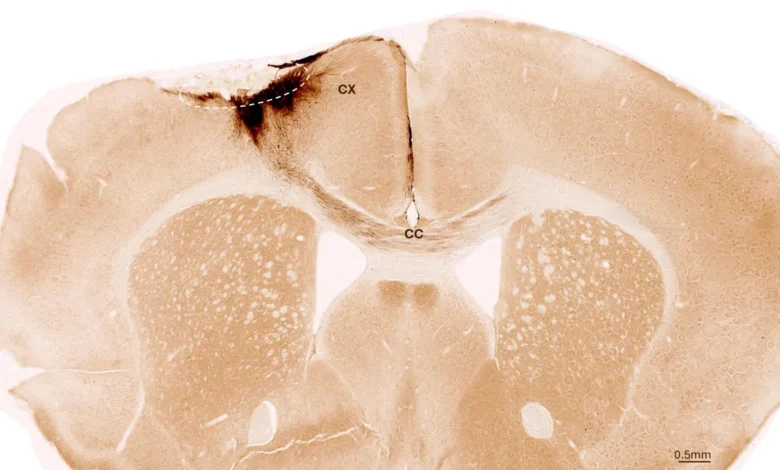
In the study, the research team induced permanent strokes in mice, meticulously calibrating the brain damage to mirror the clinical presentation of human stroke. Because the transplant material was human-derived, the mice were genetically modified to be immunocompromised, preventing the host’s immune system from rejecting the foreign cells. One week after the ischemic event, the researchers introduced the stem cells directly into the damaged regions of the brain.
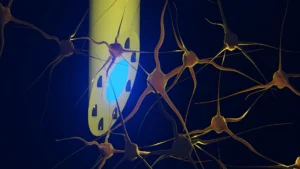
The results were statistically and biologically significant. Longitudinal monitoring via advanced imaging and biochemical analysis revealed that the transplanted cells not only survived for the full five-week study period but also successfully integrated into the existing neural architecture. Most critically, the new cells formed functional connections with native neurons, a prerequisite for the restoration of lost neurological function.
Beyond Cell Replacement: A Holistic Healing Response
Perhaps the most compelling aspect of the UZH findings is that the therapeutic impact extends well beyond simple cellular replacement. The transplantation triggered a cascade of secondary regenerative processes essential for tissue health. The researchers documented the formation of new blood vessels (angiogenesis) within the infarcted tissue, a significant reduction in neuroinflammation, and the restoration of the blood-brain barrier’s integrity.
The blood-brain barrier acts as a highly selective filter protecting the central nervous system from circulating pathogens and toxins. In the wake of a stroke, the breakdown of this barrier is a primary driver of secondary injury and chronic inflammation. By repairing this barrier, the stem cell therapy creates a stable environment that fosters recovery. Furthermore, the functional outcomes were verified through objective data; using AI-assisted analysis of gait and movement patterns, the researchers confirmed that the mice exhibited a measurable reversal of motor impairments that had been induced by the initial strokes.
The Significance of Temporal Precision
One of the most practical insights gleaned from these experiments concerns the timing of the intervention. The study compared the efficacy of transplanting cells immediately after the stroke versus waiting for a one-week interval. Data showed that the one-week delay resulted in superior clinical outcomes.
This observation is of paramount importance for the future of clinical translation. In a hospital setting, the immediate hours following a stroke are characterized by extreme physiological volatility and emergency interventions. By demonstrating that efficacy is maintained—and indeed improved—by a delayed window, the researchers have identified a strategy that could make stem cell therapy significantly easier to implement in a real-world clinical workflow. It allows for a stabilization period where the patient is medically cleared, and the treatment team can prepare the therapeutic agent without the chaotic pressure of an acute emergency.
Safety Protocols and Future Hurdles
Despite the optimism surrounding these results, the research team maintains a cautious, evidence-based stance. Translating these findings from rodents to humans requires navigating significant physiological and ethical complexities. A primary concern in any stem cell therapy is the risk of oncogenic potential—specifically, the possibility of uncontrolled cell growth or tumor formation within the brain.
To mitigate these risks, Tackenberg and his colleagues are currently developing a "safety switch" mechanism. This biological fail-safe is designed to ensure that if the transplanted cells begin to proliferate beyond intended parameters, they can be chemically deactivated. Additionally, the team is working on refining the delivery method. Current protocols involving direct brain grafts are invasive and carry inherent surgical risks. The researchers are exploring an endovascular approach, which would involve delivering the stem cells via the vascular system, significantly reducing the invasiveness of the procedure.
Furthermore, the production protocol for the stem cells has been carefully refined to exclude animal-derived reagents. By collaborating with the Center for iPS Cell Research and Application (CiRA) at Kyoto University, the team has established a standardized, human-safe production method. This is a critical regulatory step, as the use of animal products in human therapeutics often introduces risks of pathogen transmission and unwanted immune responses.
Clinical Context and Global Implications
The pursuit of regenerative therapies for stroke is currently one of the most competitive and promising fields in neurology. While this study represents a major milestone, it exists within a growing global effort to treat neurodegenerative and ischemic conditions. Japan, in particular, has emerged as a leader in this space, with clinical trials involving iPSC-derived treatments for Parkinson’s disease already underway.
The trajectory of this research aligns with broader trends in medicine where "living drugs"—therapies that adapt to their environment—are replacing traditional pharmaceutical approaches that merely manage symptoms. Should the upcoming phases of development prove successful, the potential to move from palliative care for stroke survivors to curative, regenerative medicine would be one of the most significant breakthroughs in the history of neuroscience.
The collaboration between the University of Zurich and the University of Southern California underscores the necessity of international cooperation in high-stakes medical research. As the team moves toward human trials, the focus will remain on refining safety profiles, standardizing production at scale, and verifying that the neuro-restorative effects observed in mice can be replicated in the much more complex landscape of the human brain.
The implications of this work are profound. If the human brain can be coaxed into self-repair through the strategic introduction of neural stem cells, the millions of individuals currently living with the permanent aftermath of a stroke may eventually have access to treatments that restore independence and quality of life. As the scientific community awaits further data, the current study provides a robust, evidence-based foundation for a future where the word "permanent" is no longer a standard descriptor for stroke-induced brain damage.
Related posts: