HHS Resumes COVID-19 Vaccine Ordering Amid Persistent Legal and Policy Uncertainty for 2026-2027 Respiratory Season

The U.S. Department of Health and Human Services (HHS) confirmed on Thursday that the federal ordering system for COVID-19 vaccines is officially operational, effectively ending an unexplained administrative delay that had sparked widespread concern among public health advocates and medical professionals. While the department acknowledged the resumption of vaccine procurement, officials declined to provide specific details regarding the cause of the temporary suspension or the technical processes employed to resolve the disruption. The development occurs against a backdrop of ongoing friction between the current administration’s health leadership and established federal vaccine guidelines, creating a complex landscape for providers and families navigating the 2026-2027 respiratory virus season.
A Period of Administrative Friction
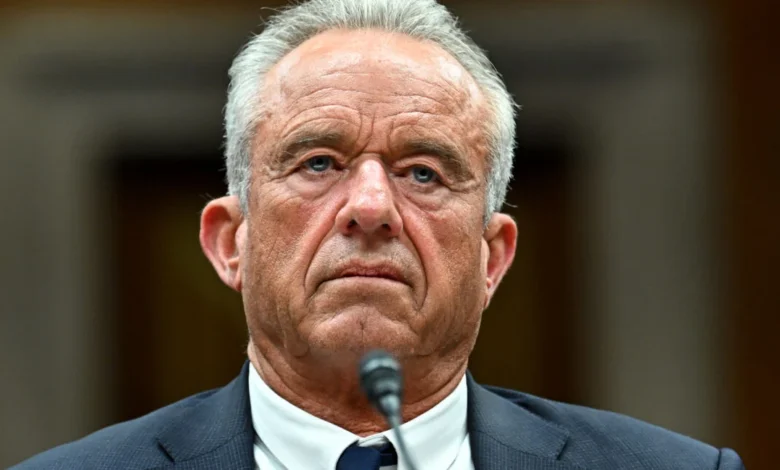
The unexplained interruption in the vaccine ordering pipeline follows years of vocal opposition to COVID-19 vaccination efforts by Health Secretary Robert F. Kennedy Jr. Since his appointment, Kennedy has utilized his platform to challenge the efficacy and safety of the shots, frequently characterizing them as the “deadliest vaccines ever made”—a claim that has been systematically refuted by the broader scientific and medical community.
Kennedy’s tenure has been marked by a series of unilateral policy shifts, most notably his decision last year to revoke the Centers for Disease Control and Prevention’s (CDC) universal recommendations for COVID-19 immunization. This move represented a significant departure from standard public health practices, which historically rely on consensus-driven guidance from groups such as the Advisory Committee on Immunization Practices (ACIP). The resulting administrative environment has been characterized by legal volatility, leaving healthcare providers in a state of uncertainty regarding the status of federal mandates and clinical recommendations.
Chronology of Regulatory Uncertainty
The current state of play regarding vaccine guidance is defined by a series of legal interventions and regulatory retreats. The chronology of these events highlights the instability that has defined the federal response to the virus over the past eighteen months:
- July 2025: The CDC maintained established guidelines for COVID-19 vaccination, which prioritized immunocompromised children aged 6 months to 17 years, while advising “shared clinical decision-making” for healthy children in that age group.
- Late 2025: Secretary Kennedy initiated efforts to overhaul CDC vaccine recommendations, attempting to move away from the agency’s long-standing institutional protocols.
- March 2026: A federal judge issued a critical ruling halting the implementation of the policy changes pursued by the HHS leadership, finding that the modifications lacked the necessary administrative due process.
- October 2026: Amidst growing confusion, the CDC issued a formal update to its clinical guidance, explicitly stating that due to “legal uncertainties and inquiries,” the July 2025 schedule would remain the default authority for the 2026-2027 season.
- November 2026: The federal ordering system for vaccines experienced a significant delay, preventing healthcare facilities from restocking their supplies before the peak winter respiratory season.
Divergent Recommendations: CDC vs. Professional Medical Groups
The current regulatory landscape is further complicated by the divergence between official federal guidance and the recommendations issued by leading medical associations. While the CDC has been legally compelled to revert to its July 2025 framework, major clinical organizations—including the American Medical Association (AMA) and the American Academy of Pediatrics (AAP)—have maintained more aggressive vaccination protocols.
Professional medical groups currently advise that all infants between 6 and 23 months of age should receive the COVID-19 vaccine to mitigate the risk of severe disease. For children between the ages of 2 and 18, these groups recommend vaccination for those at higher clinical risk, or for those who express a desire to be vaccinated. The discrepancy between the CDC’s “shared clinical decision-making” stance and the broader professional consensus has placed physicians in a difficult position, as they must reconcile federal administrative limitations with evidence-based medical standards.
Data-Driven Public Health Perspectives
Public health experts emphasize that the primary risk of these administrative delays is the erosion of vaccine confidence and the logistical disruption of immunization programs. According to recent data from the Department of Health and Human Services, the logistical pipeline for seasonal respiratory vaccines requires months of lead time to ensure that supplies are available in local pharmacies and pediatric clinics.
Data from the 2025 respiratory season indicated that children with immunocompromising conditions, such as those undergoing cancer treatment or managing primary immunodeficiency disorders, face a significantly higher risk of hospitalization from COVID-19 compared to their healthy peers. Public health advocates argue that by limiting the scope of universal recommendations, the current federal guidance may lead to lower uptake among vulnerable populations who might otherwise have been reached through clearer, more direct public health messaging.
Official Responses and Institutional Silences
Despite the resumption of vaccine ordering, the lack of transparency from the HHS remains a point of contention. When asked to clarify the nature of the “technical issues” that led to the procurement suspension, the department provided only a brief confirmation that the system was live, opting not to address inquiries about whether the delay was tied to ongoing litigation or shifts in the department’s internal procurement protocols.
Critics of the current administration suggest that the lack of communication is symptomatic of a broader effort to undermine the efficacy of public health institutions. Conversely, supporters of the current leadership argue that the department is seeking to re-evaluate the necessity of federal intervention in medical decision-making, preferring to leave these choices to individual families and their personal physicians. Regardless of the intent, the silence from the HHS has left many state health departments and local providers struggling to coordinate their seasonal preparedness efforts without clear, centralized guidance.
Broader Impact and Implications for Public Health
The implications of this ongoing conflict are profound. The stability of the U.S. vaccination program has historically relied on a high degree of coordination between the CDC, state health authorities, and the private healthcare sector. By introducing legal and administrative friction into this system, the federal government risks creating a fragmented landscape where vaccine availability and recommendations vary significantly based on geography and provider interpretation.
Looking ahead, the 2026-2027 season presents a unique challenge. As the nation moves further away from the acute phase of the pandemic, the focus of public health officials has shifted toward integrating COVID-19 protection into the broader seasonal immunization strategy alongside influenza and RSV vaccines. However, the current discord at the federal level threatens to complicate this transition.
Medical professionals are now tasked with navigating a complex legal environment where they must reconcile their clinical duty to protect patients with the evolving constraints of federal recommendations. The uncertainty also impacts vaccine manufacturers, who require predictable demand forecasts to maintain the supply chain. If the current administrative instability continues, experts warn that the nation could see a decline in the overall immunization rates for respiratory viruses, potentially leading to increased morbidity among children and the elderly during the winter months.
As the situation remains in flux, the scientific community continues to call for a return to evidence-based, consensus-driven policy making. For now, the resumption of the ordering system provides a temporary reprieve, but the fundamental tensions between political leadership and public health institutions remain unresolved. The coming months will likely be defined by whether the current federal guidance can withstand further legal challenges and whether the medical community can bridge the gap created by the current, fragmented policy environment. For parents and patients, the most reliable course of action, according to major medical associations, remains direct consultation with their primary care providers to assess individual risk factors and determine the appropriate vaccination strategy for the current season.
Related posts: