Volkswagen Pushes Back ID. Buzz US Comeback to 2028 Model Year Amid Sluggish Sales and Inventory Backlog

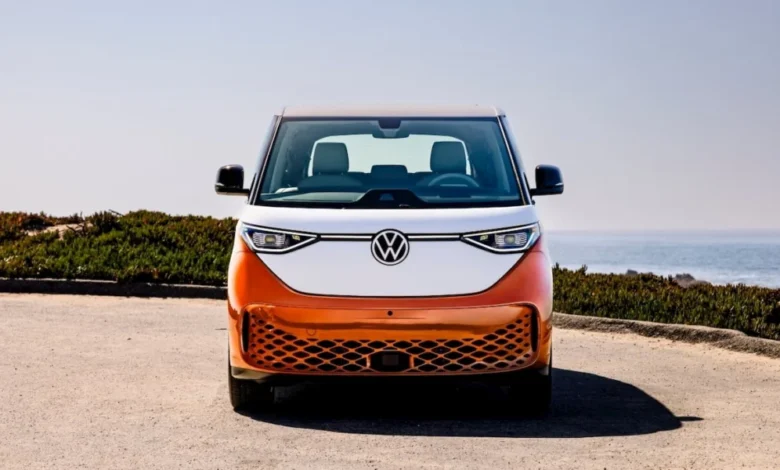
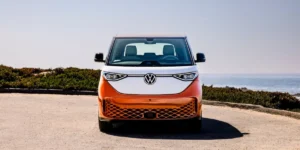
The long-awaited modern, all-electric revival of Volkswagen’s iconic retro minibus, the ID. Buzz, has hit yet another roadblock in the United States market, as the German automaker officially informs its dealership network that the vehicle will skip the 2027 model year and delay its anticipated return until the 2028 model cycle.
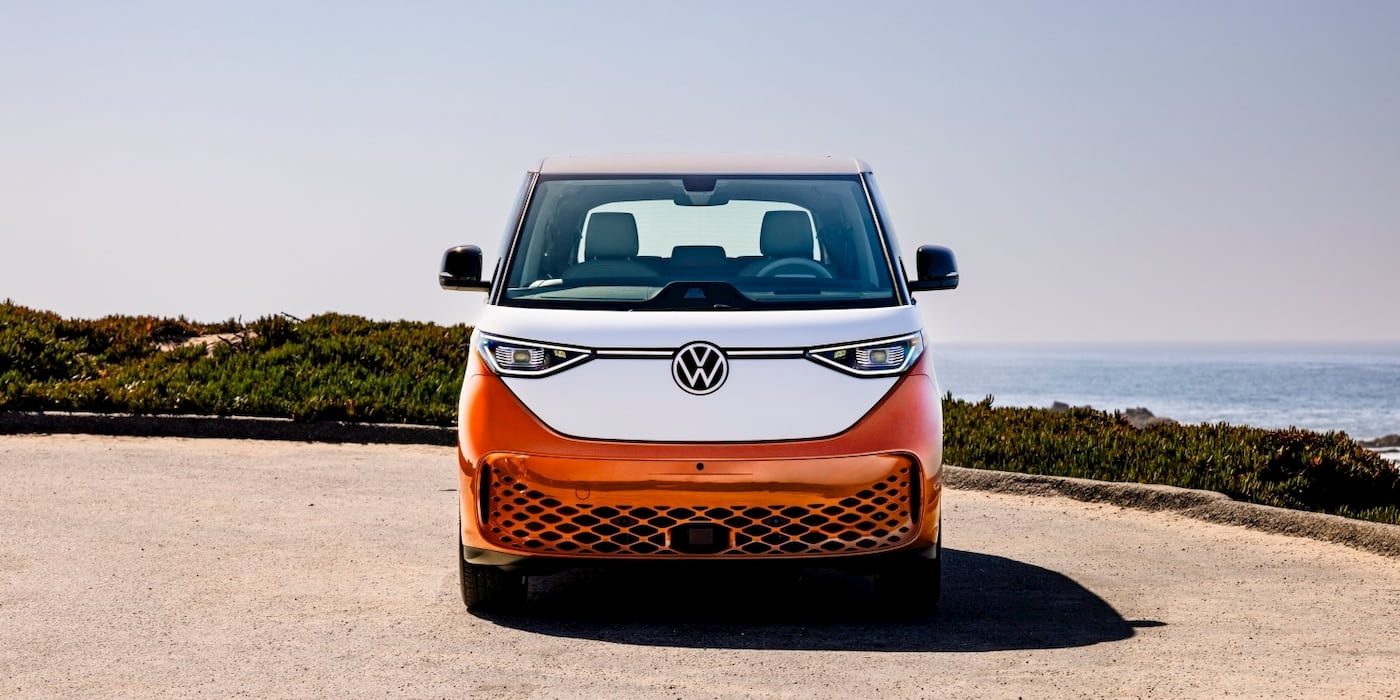
When Volkswagen initially brought the ID. Buzz to North American shores in 2024, it arrived surrounded by considerable fanfare. Marketed as an emotional, zero-emission successor to the legendary Type 2 Microbus that defined an era of counterculture mobility, the vehicle relied heavily on decades of built-up nostalgia. However, that initial wave of consumer enthusiasm quickly dissipated upon contact with the harsh realities of the contemporary electric vehicle marketplace. High pricing, fierce competition from alternative three-row electric SUVs, and a range profile that failed to meet the demands of American road-trippers conspired to turn what was meant to be a halo product into a challenging inventory management puzzle for Volkswagen Group of America.
Shifting Timelines: A Chronology of the ID. Buzz US Rollout
The trajectory of the ID. Buzz in the United States has been marked by repeated adjustments to production and distribution schedules as the automaker attempts to align supply with lukewarm demand.
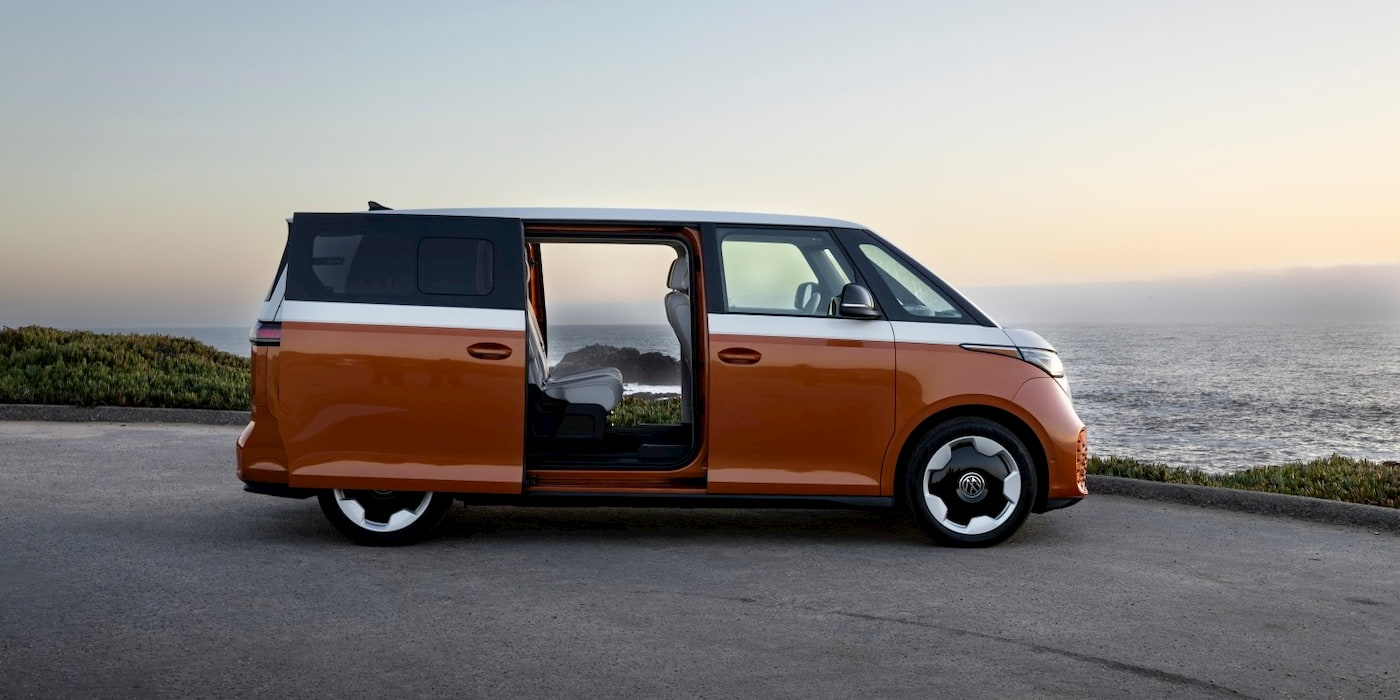
- 2024: The ID. Buzz officially launches in the United States market, bringing the reimagined electric minibus to American buyers with a starting price hovering around $60,000.
- Throughout 2025: Initial novelty wears off, revealing sluggish sales velocities. By the close of the calendar year, Volkswagen tallies a modest 6,140 units sold across the US, leaving dealerships burdened with excess inventory.
- December 2025: Volkswagen Group of America VP and Chief Communications Officer Jeannine Ginivan confirms to industry media that the ID. Buzz will bypass the 2026 model year in the US. Company representatives insist the vehicle is not being discontinued, maintaining that existing lot inventory is sufficient to cover near-term demand while transitioning to future iterations.
- May 2026: Volkswagen briefly sparks optimism by teasing updates for a forthcoming 2027 ID. Buzz model year. These planned enhancements include the introduction of a specialized Tourer variant tailored for overnight camping and long-distance travel, alongside promised integration with the North American Charging Standard (NACS). Simultaneously, the company announces that its stablemate, the ID.4 electric crossover, will also go on hiatus for the 2027 model year as part of a broader corporate portfolio overhaul.
- September 24, 2026: In a confidential memo reported by Automotive News, Volkswagen officially informs its US dealership network that the planned 2027 comeback has been scrapped. The timeline is formally pushed back once again, with the ID. Buzz now slated to return strictly as a 2028 model year vehicle.
Market Realities: Pricing, Range, and Competitive Pressure
The core difficulties facing the ID. Buzz in the United States stem from a fundamental mismatch between its targeted demographic, its pricing structure, and its technical specifications. With an entry-level price point starting at approximately $60,000, the electric minibus occupies a relatively premium slice of the market. Yet, for that investment, buyers receive an EPA-estimated driving range of up to 234 miles on a single charge.
While a 234-mile range is generally adequate for daily suburban commuting, urban errands, and localized utility, American consumers shopping in this price bracket—particularly families seeking multi-row passenger vehicles—exhibit distinct preferences for long-distance versatility. When planning extended family road trips, weekend getaways, or holiday travel, buyers frequently gravitate toward larger, three-row battery-electric SUVs that offer superior battery endurance.
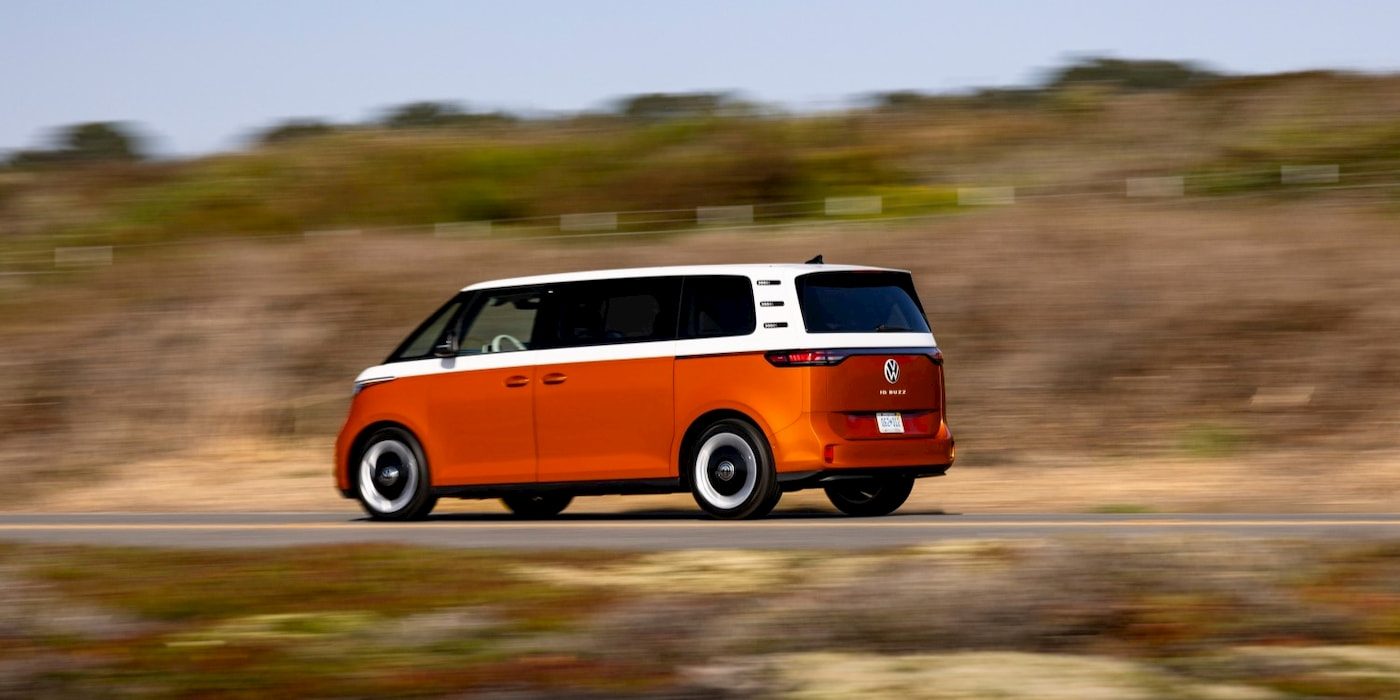
Competitors such as the Kia EV9 and the Hyundai IONIQ 9 have successfully captured significant market share by delivering driving ranges that comfortably exceed the 300-mile threshold, paired with rapid charging architectures and more conventional SUV styling that resonates broadly with contemporary household buyers. Consequently, the ID. Buzz found itself squeezed out of practical consideration by pragmatic shoppers who viewed its retro charm as an insufficient trade-off for reduced range and higher utility costs.
Inventory Glut and Dealership Impact
The friction between consumer demand and production volume manifested clearly in sales figures and dealership lots. According to comprehensive industry data, Volkswagen managed to move just 6,140 units of the ID. Buzz across the entire United States throughout the previous full sales year. This volume fell short of internal corporate projections, resulting in a persistent inventory overhang.
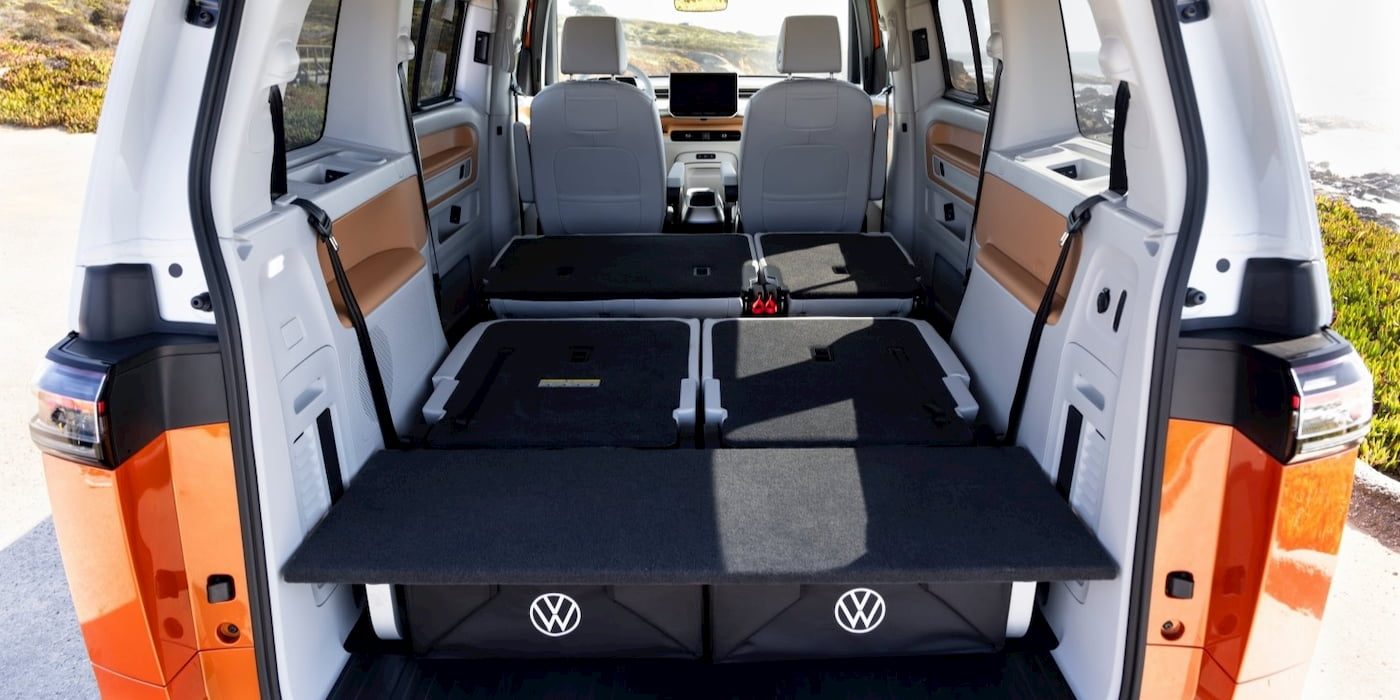
By the autumn of 2026, nationwide vehicle listing aggregators such as Cars.com indicated that only a sparse 38 brand-new 2025 model-year ID. Buzz vehicles remained available for purchase across the entire country. Rather than rushing fresh factory output into a saturated or stagnant retail environment, Volkswagen opted to let existing dealership stock clear out entirely before reintroducing the vehicle under a later model year designation.
This strategic pause mirrors broader adjustments within Volkswagen’s American electric vehicle strategy. Alongside the extended hiatus for the ID. Buzz, the company has similarly elected to skip the 2027 model year for its volume-selling ID.4 electric crossover, signaling a comprehensive internal reassessment of production cadence, trim strategies, and market positioning across its entire battery-electric vehicle lineup.

Corporate Position and Official Responses
Despite the repeated scheduling pushbacks and inventory compression, Volkswagen leadership continues to emphasize that the vehicle remains an integral part of the brand’s long-term identity in North America. When addressing prior adjustments, Jeannine Ginivan explicitly stated that Volkswagen has no intention of canceling the ID. Buzz for the US market, framing the scheduling gaps as deliberate inventory balancing acts designed to protect residual values and support dealer profitability.
Industry analysts note that while the nostalgia factor was successful in generating initial brand awareness and drawing curious shoppers into showrooms, converting heritage enthusiasm into sustained transaction volume requires competitive parity in core electric vehicle metrics such as cost-per-mile, charging network access, and raw battery range. By delaying the vehicle’s return to the 2028 model year, Volkswagen gains valuable time to incorporate hardware updates—such as native NACS compatibility and potential battery chemistry refinements—that could address consumer hesitation head-on.

As the automotive sector monitors Volkswagen’s unfolding restructuring efforts, stakeholders await further official clarification regarding precise production dates, technical specifications for the updated variants, and the ultimate roadmap for the brand’s broader electric vehicle architecture in the North American market.