Volkswagen Delays US Return of ID. Buzz Electric Minibus to 2028 Model Year Amid Slowing Sales and Inventory Realignment

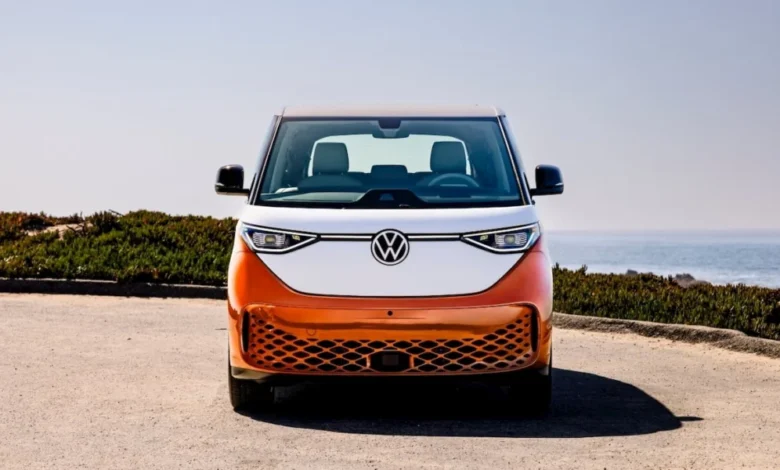
Volkswagen’s ambitious revival of its iconic electric minibus, the ID. Buzz, has hit another significant roadblock in the United States market. According to recent reports, the German automaker has officially pushed back the vehicle’s return, effectively canceling the previously anticipated 2027 model year release and shifting its sights toward a 2028 model year launch. This latest scheduling adjustment underscores the complex challenges foreign and domestic automakers face while trying to balance heritage-driven nostalgia with the harsh economic and practical realities of the modern American electric vehicle (EV) marketplace.
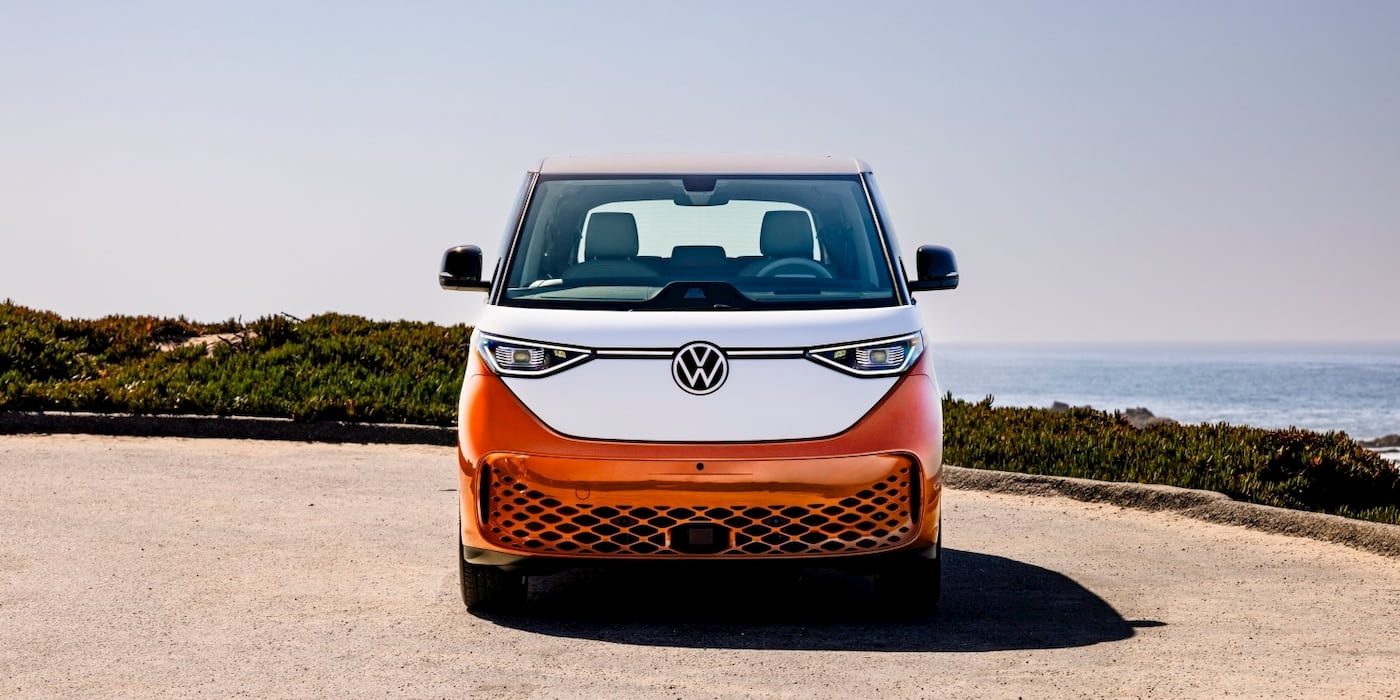
The Initial US Launch and Dwindling Nostalgia
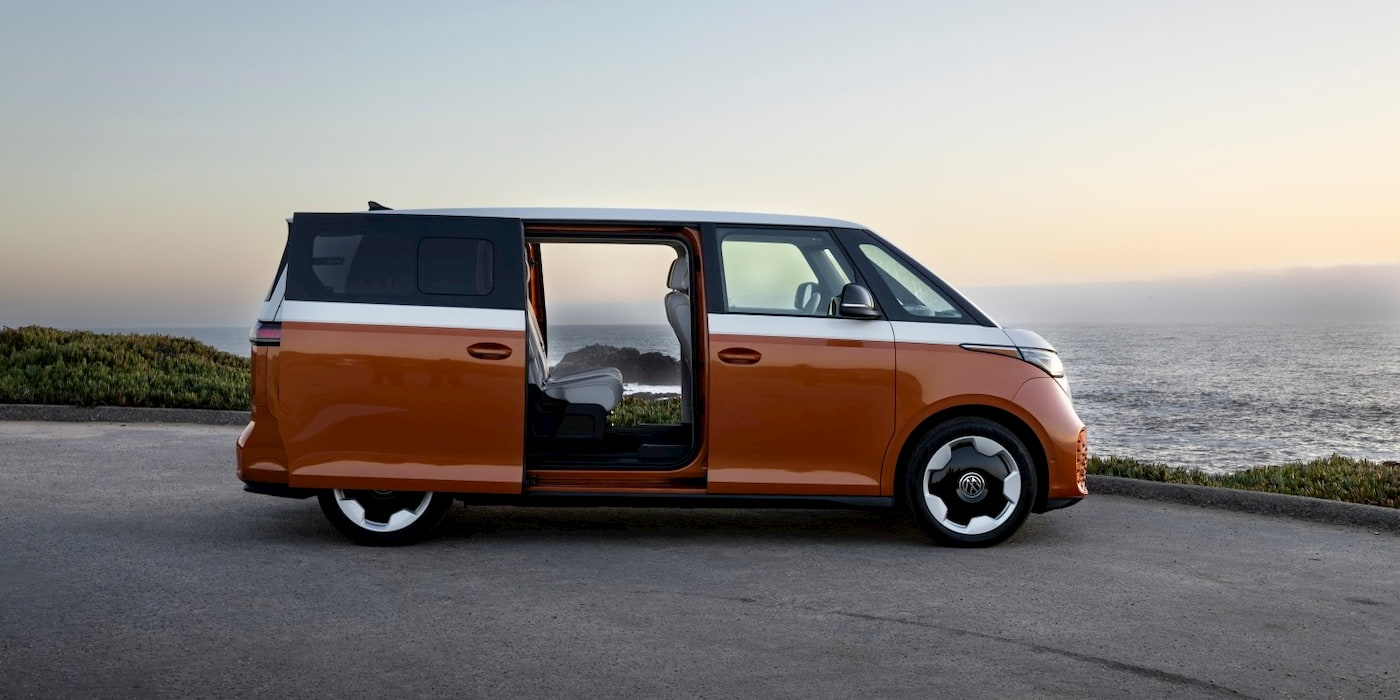
The journey of the ID. Buzz in North America began with immense fanfare. When Volkswagen first introduced the all-electric reinterpretation of its beloved vintage Microbus to the US market in 2024, it was met with widespread curiosity and consumer excitement. The vehicle was heralded as a cultural milestone—a modern, zero-emission nod to the counterculture symbol of the 1960s and 70s.
However, that initial wave of enthusiasm, heavily fueled by nostalgic sentiment, rapidly dissipated when consumers encountered the vehicle’s commercial and practical limitations. Chief among these hurdles was the price tag. With an entry-level price hovering around $60,000, the ID. Buzz positioned itself as a premium purchase. Compounding the pricing issue was its relatively modest driving range of up to 234 miles per charge. While this range is more than adequate for daily urban commutes and routine errands, American families and adventure-seekers shopping in the multi-passenger segment quickly realized its shortcomings for long-distance travel.
During road trips and weekend getaways, consumers increasingly gravitated toward larger, three-row electric SUVs—such as the Kia EV9 and the Hyundai IONIQ 9—both of which offered superior driving ranges exceeding 300 miles. Consequently, sales figures lagged. Last year, Volkswagen managed to move just 6,140 units of the ID. Buzz across the entire United States, triggering an accumulation of excess inventory at dealerships nationwide. Recent listings on consumer automotive platforms like Cars.com indicate that only a few dozen new 2025 models remain available across the entire country, illustrating just how slowly the initial production run cleared dealer lots.
A Timeline of Delays and Schedule Shifts
The road to the current 2028 delay has been marked by a shifting series of corporate communications and strategic pivots:
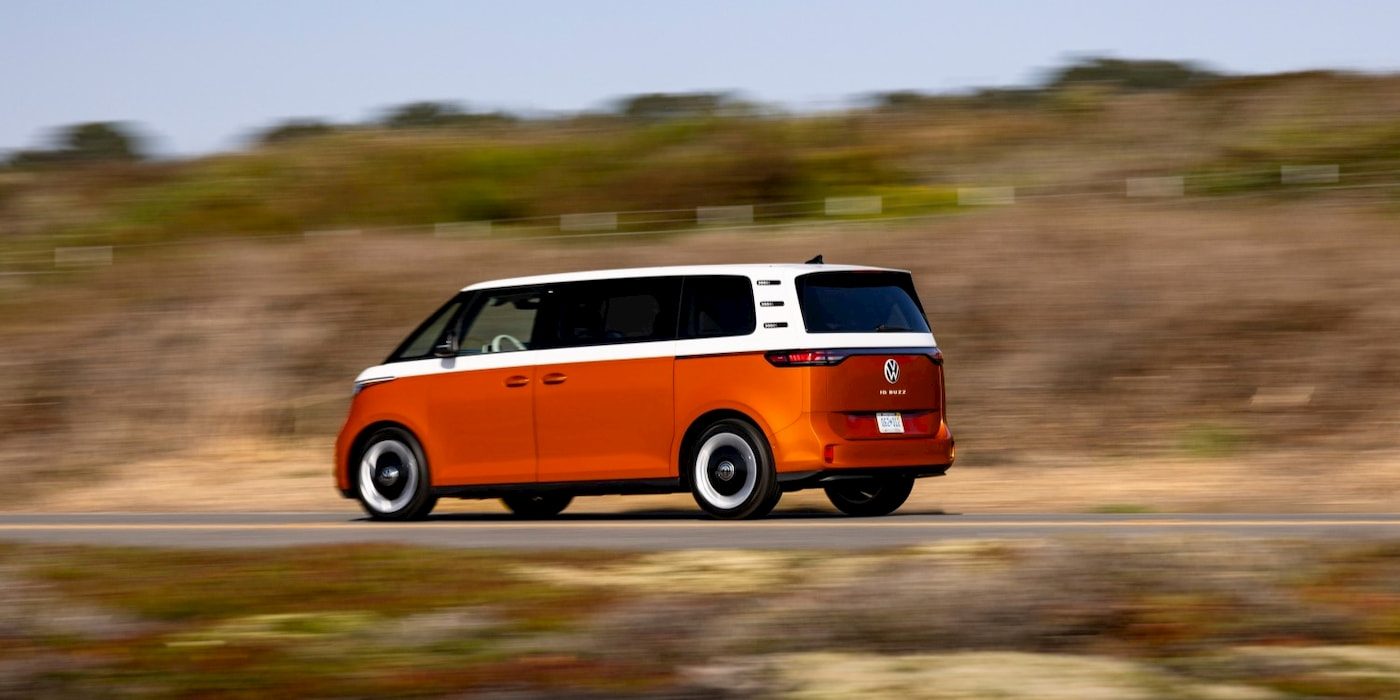
- 2024: The ID. Buzz officially goes on sale in the United States as an all-electric halo vehicle for Volkswagen’s burgeoning EV lineup.
- Throughout 2024–2025: Dealerships experience sluggish movement due to high price points and competitive pressures from longer-range three-row electric SUVs, resulting in a total annual US sales volume of 6,140 units.
- December 2025: Volkswagen Group of America Vice President and Chief Communications Officer Jeannine Ginivan confirms to industry media that the ID. Buzz will skip the 2026 model year in the US, reassuring the public that the vehicle is not permanently canceled and pointing to "sufficient inventory" of existing models to sustain sales.
- May 2026: Volkswagen briefly sparks optimism by teasing updates for a targeted 2027 ID. Buzz release, which included plans for a specialized "Tourer" trim designed for overnight camping and integration with the North American Charging Standard (NACS).
- September 24, 2026: In a sudden reversal communicated directly to its franchise network, Volkswagen informs its US dealers that the ID. Buzz’s return is being postponed further, pushing the timeline past the 2027 model year and targeting a 2028 reintroduction instead.
Corporate Strategy and Official Responses
Throughout the shifting release schedule, Volkswagen executives have maintained that the electric minibus remains an integral part of the brand’s long-term identity in North America. When the initial pause was announced in late 2025, Ginivan firmly pushed back against rumors of a permanent discontinuation.
"Volkswagen is not canceling the ID. Buzz for the US market," Ginivan stated, explaining that the decision to forgo a 2026 model year was primarily logistical, designed to allow dealership networks to work through existing vehicle stock without putting downward pressure on residual values.
Despite these reassurances, the subsequent decision to bypass the 2027 model year as well signals deeper strategic reevaluations behind closed doors in Wolfsburg and Herndon, Virginia. The ongoing delays coincide with broader restructuring within Volkswagen’s American electric portfolio. Notably, the company’s mainstream electric crossover, the ID.4, is also slated to skip the 2027 model year as the automaker undergoes a comprehensive overhaul of its regional EV offerings.
Industry analysts suggest that these pauses are indicative of a broader industry trend where legacy automakers are hitting the brakes on ambitious EV rollouts to recalibrate production capacities, reduce dealer inventory glut, and integrate next-generation charging infrastructure, such as the adoption of the Tesla-developed NACS plugs.

Broader Market Implications and Future Outlook
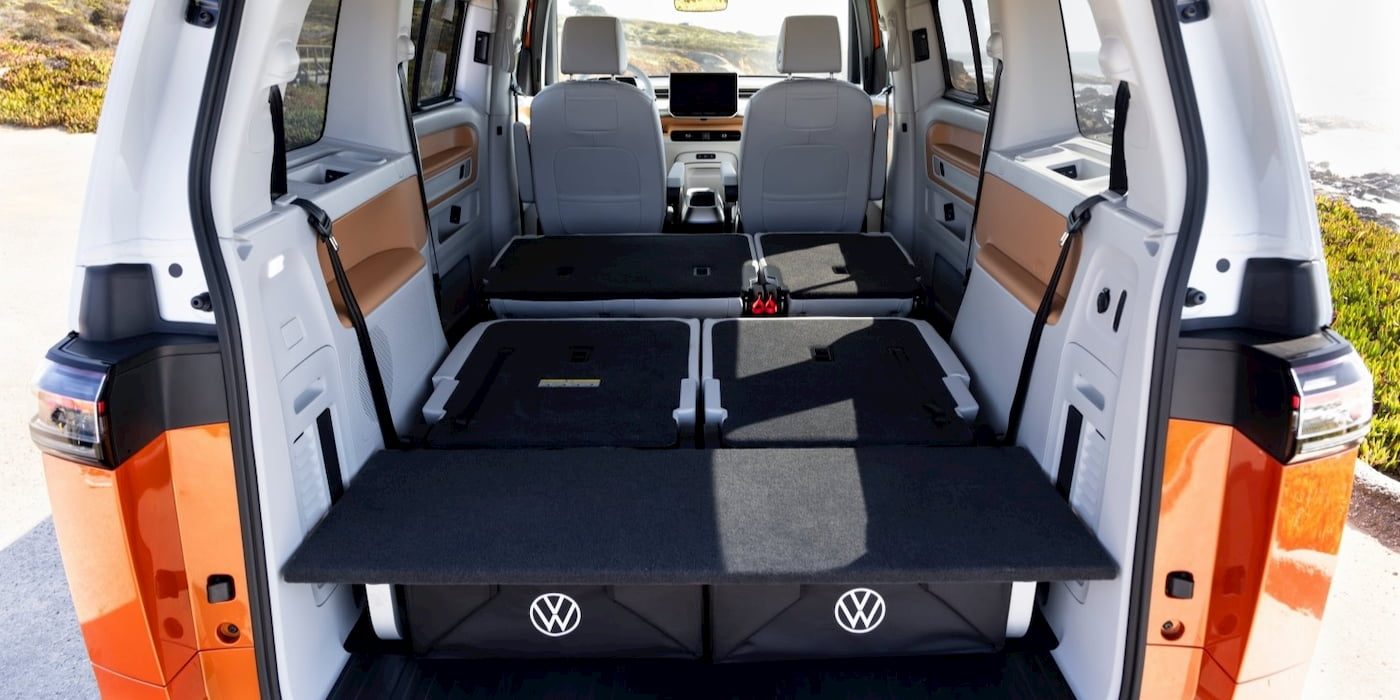
The delayed return of the ID. Buzz highlights the delicate tightrope automakers must walk between emotional brand equity and rational consumer utility. While the vehicle successfully captures attention and generates showroom traffic based on its iconic styling, converting that emotional appeal into sustained, high-volume sales requires addressing fundamental consumer demands in the American market: competitive pricing, robust driving range, and practical versatility.
As Volkswagen clears out the remainder of its early-generation inventory, the extended timeline gives the engineering and product planning teams a valuable window to refine the vehicle. By the time the ID. Buzz is slated to re-emerge for the 2028 model year, the EV landscape will have matured significantly. Charging infrastructure will be more widespread, solid-state or higher-density battery technologies may offer improved range, and competitors will have established firmer footholds in the electric family-hauler segment.

For Volkswagen, the hiatus is a calculated risk. Pushing the vehicle out of the spotlight for an extended period risks cooling whatever consumer anticipation remains. However, rushing an underperforming, high-priced niche vehicle back into a saturated market could prove even more damaging to the brand’s electrification profitability. As the automotive industry transitions through this tumultuous phase of EV adoption, the ultimate fate of the electric Microbus in America will depend heavily on whether Volkswagen can recalibrate the vehicle to meet the pragmatic demands of modern drivers without losing the quirky charm that made its predecessor a legend.